
A Made-to-Measure Coat: An Investment in Style
A coat is not a one-season purchase. A well-chosen men's coat can serve you for years, from work and meetings to evenings out, and tie much of a winter wardrobe together. This article explains why a made-to-measure coat can be a long-term investment, how fit, fabric and construction matter, and what makes a style last beyond its first winter.
A made-to-measure coat makes sense if you will wear it regularly and want a precise fit, quality fabric and a timeless look. Its value lies less in making a showy statement than in fitting your figure, sitting comfortably over a jacket and working in different situations over time.
Why a coat is central to a winter wardrobe
In colder months, your coat is often the first thing people notice. Even a fine suit, shirt and shoes can lose their impact if the outer layer is too short, fits badly at the shoulders or pulls across the jacket underneath.
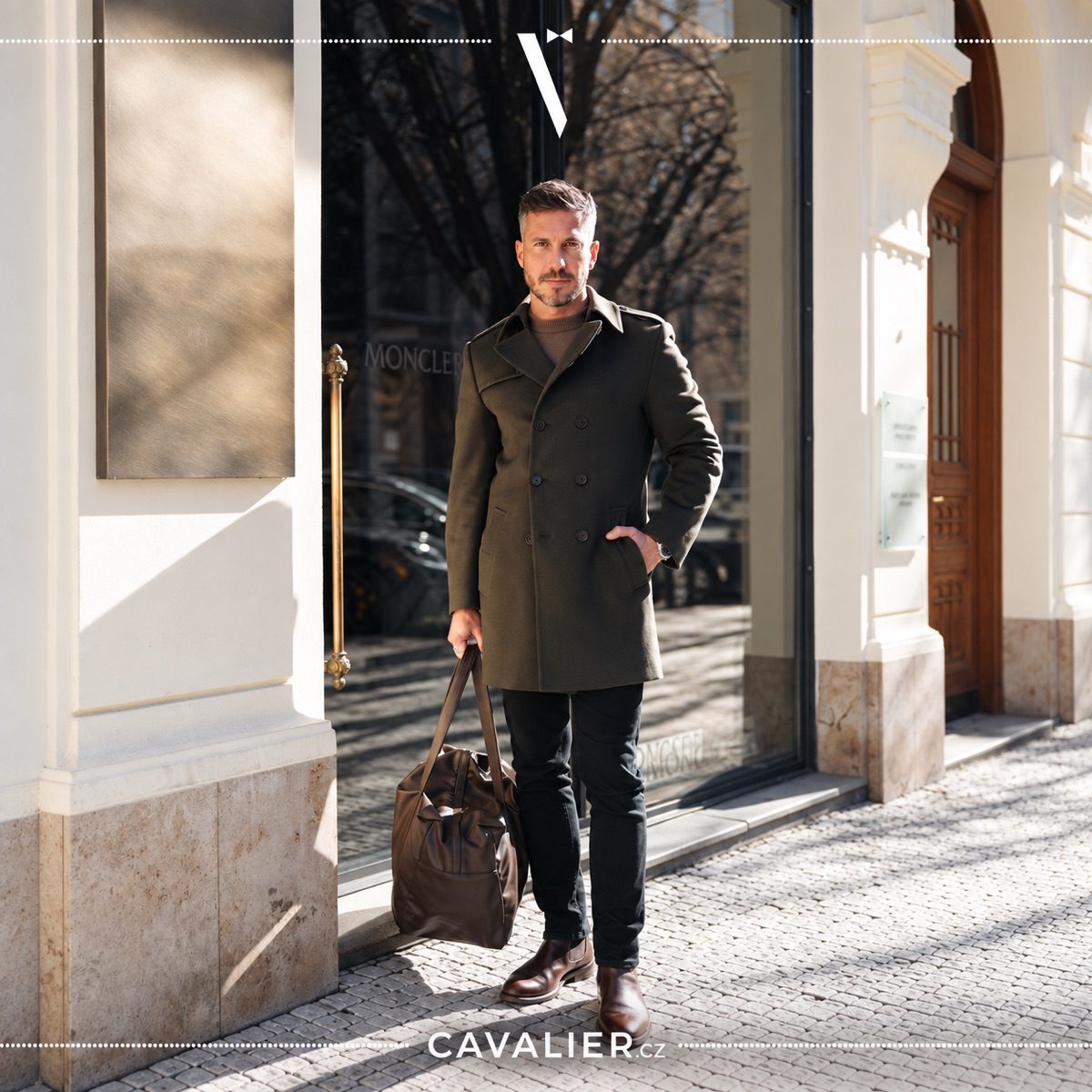
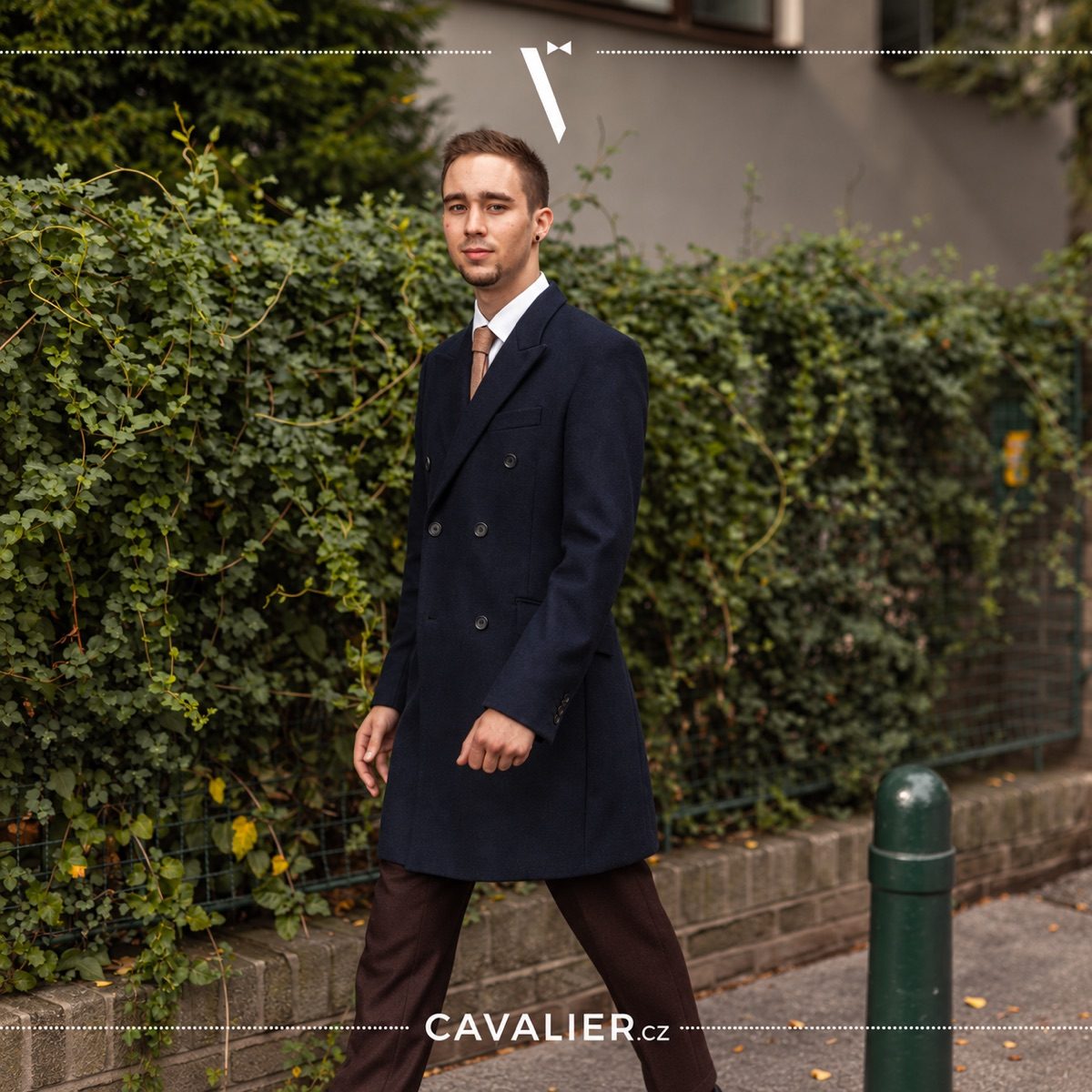
A well-designed made-to-measure coat brings an outfit together. It works over a suit but can also be worn with a turtleneck, knitwear, chinos or dark jeans. The more easily it moves between formal and relaxed looks, the more often you are likely to wear it.
For a lighter layer in spring or autumn, read our article on the trench coat and how to style it.
What made-to-measure adds to a coat
A ready-to-wear coat follows a standard size chart. It may fit the chest but be too wide at the waist, or be the right length with sleeves that are too long. If you wear it over a suit jacket, you may also need more room at the shoulders and armholes.
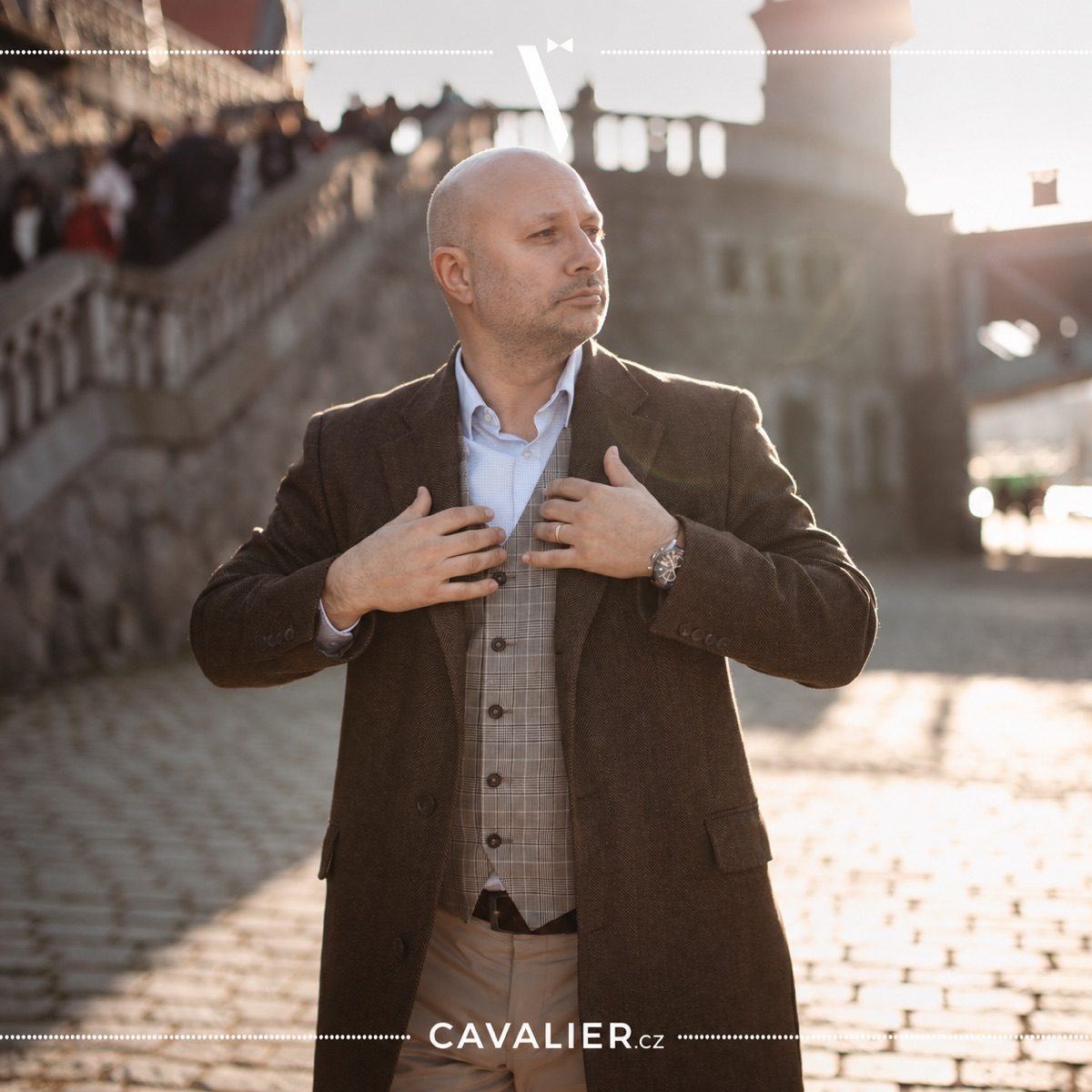
A made-to-measure coat accounts for your proportions together:
- shoulder width and slope,
- chest, waist and hip measurements,
- sleeve length and button placement,
- overall coat length,
- room for a suit jacket, knitwear or other layers,
- posture and movement.
The aim is not a coat that clings to the body. It should maintain a clean silhouette while allowing you to move comfortably. That balance can be hard to find off the rack.
The investment begins with fabric
Fabric affects warmth, weight, drape and how a coat looks after several seasons. Quality wool is a common choice for a versatile men's coat. It manages moisture, helps regulate temperature and its fibres tend to spring back into shape. These properties are also described by The Woolmark Company.
Cashmere adds softness, lightness and a luxurious feel. Pure cashmere is not automatically the best everyday choice, however. A quality wool fabric or a wool-and-cashmere blend can offer a more practical balance of wearability and softness.
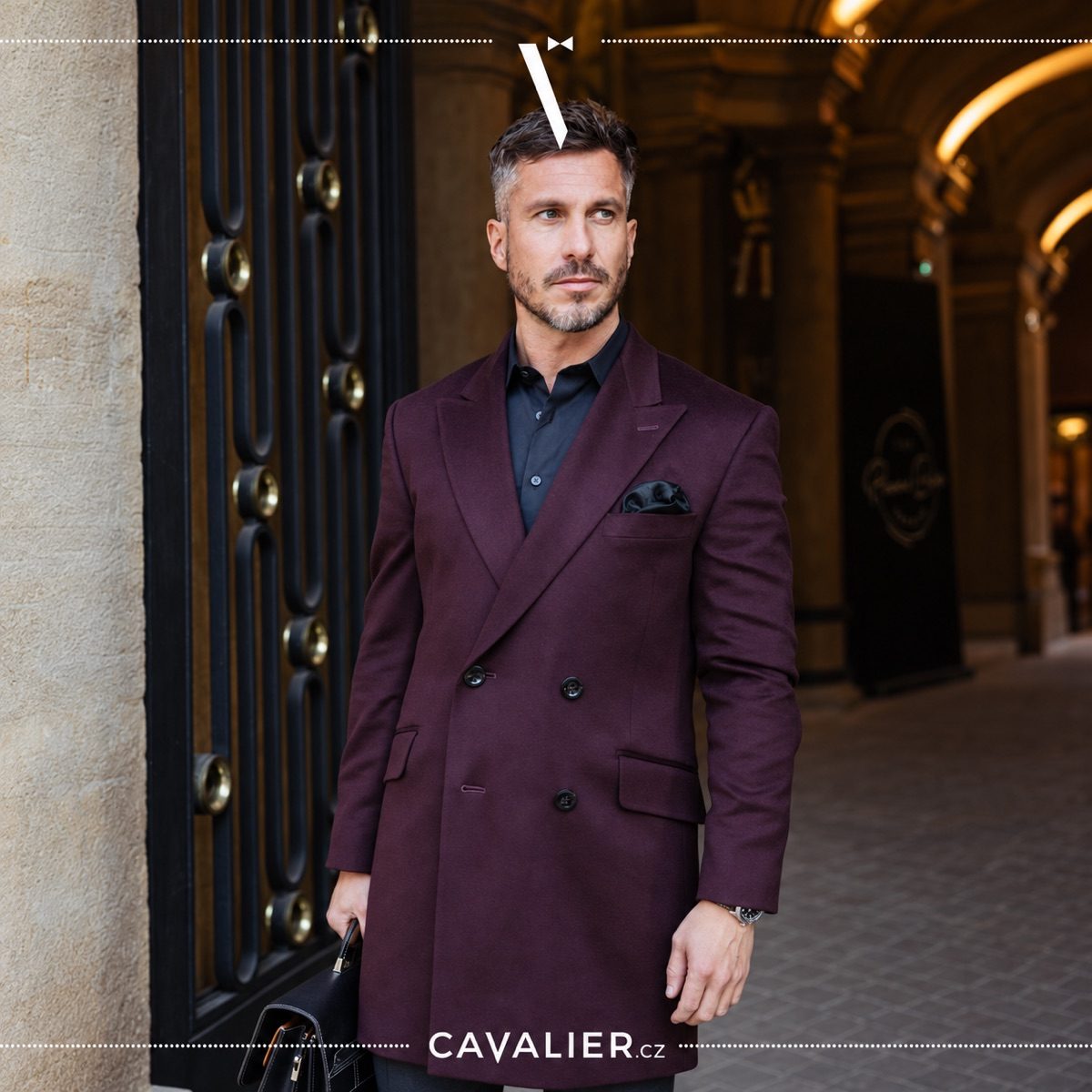
For a closer comparison, read Wool vs. Cashmere: Which Fabric Should You Choose for a Coat?
Timeless does not mean dull
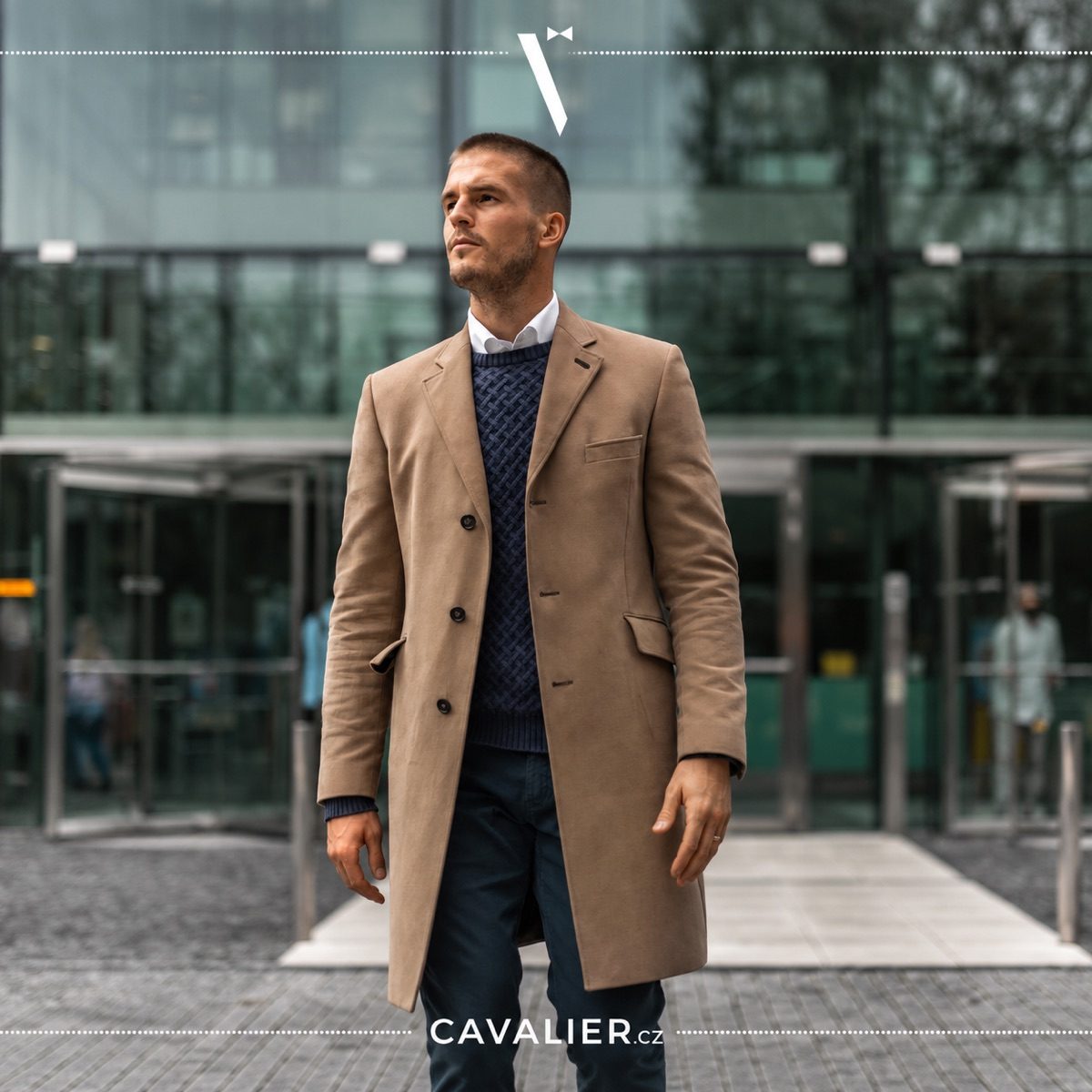
A coat that lasts need not lack personality. Start with a colour you can combine easily: navy, charcoal, grey, camel and dark brown are often versatile choices. A bolder colour can work if it fits the rest of your wardrobe and the way you dress.
You can add personality through details that outlast a passing trend:
- single-breasted or double-breasted fastening,
- lapel shape and width,
- contrasting felt under the collar,
- button choice,
- a monogram,
- a distinctive lining or hand-finished detail.
On the Cavalier made-to-measure coat page you can explore the available fabrics and configuration options.
Think about cost per wear, not just the price tag
Price alone cannot tell you whether a purchase is good value. How often you wear a coat, and for how long, matters too. A coat worn several times a week over many seasons may cost less per wear than a cheaper one you rarely reach for because it fits badly or is hard to style.
Before ordering, ask yourself three questions:
1. Will I wear the coat mainly over a suit, or also with smart casual outfits?
2. Which colours and shoes do I already have?
3. Do I need one highly versatile coat, or am I filling a specific gap?
The answers can guide the cut, length, colour and fabric weight more usefully than a passing trend.
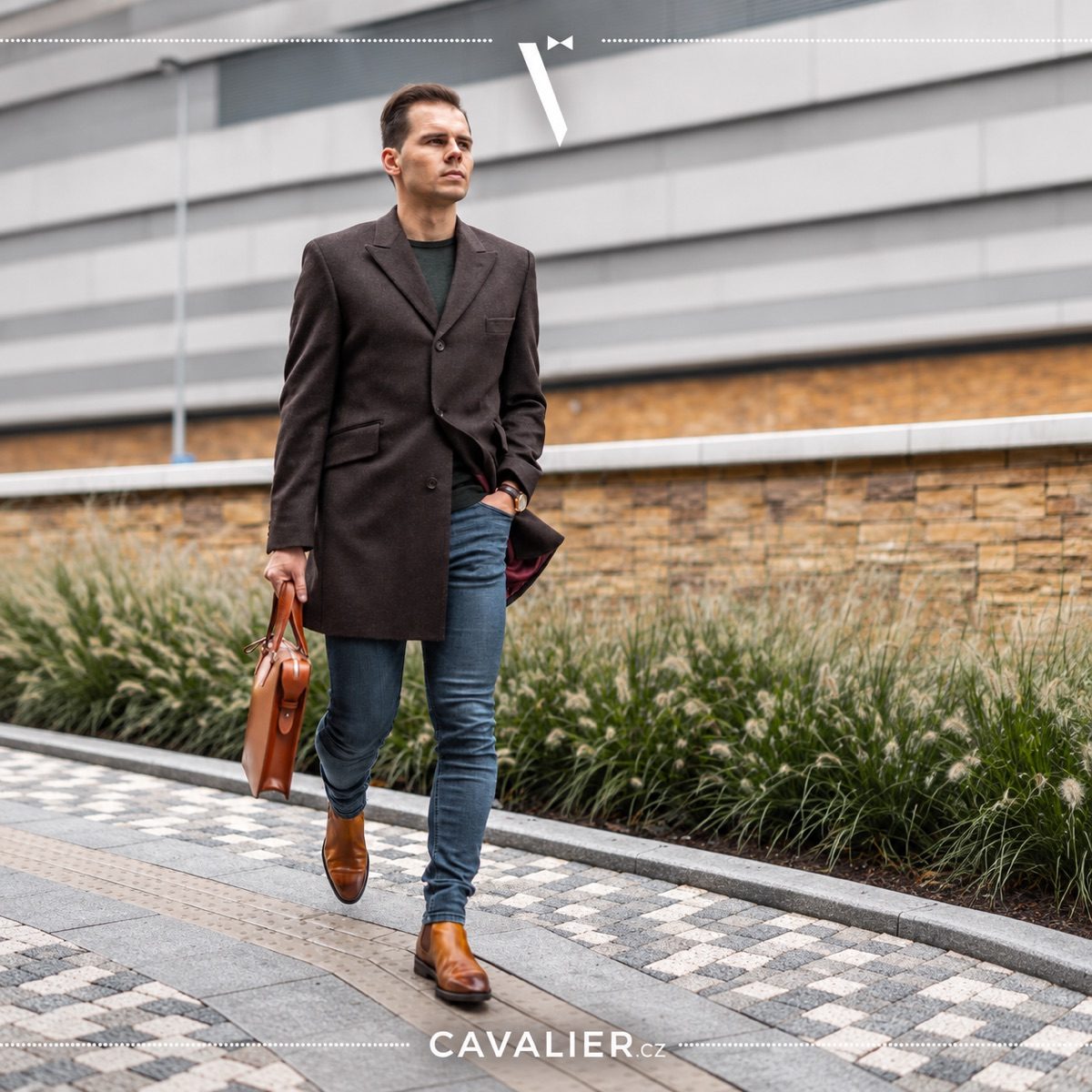
How to help your coat last longer
Even the best fabric needs care. After wearing your coat, hang it on a sturdy, suitably wide hanger and let it air. Brush away dust and light dirt gently. Dry-clean when needed, rather than automatically several times a season. For longer storage, make sure the coat is clean, dry and protected from moths.
Wool is naturally resistant to odours, stains and creasing, so it often needs less frequent cleaning than many other fabrics.
When a made-to-measure coat makes most sense
A made-to-measure coat is particularly useful if:
- standard sizes do not fit your shoulders or desired length,
- you wear a jacket underneath and need enough room for layers,
- you want one versatile coat for different occasions,
- you want a particular colour, fabric weight or composition,
- you want a garment that fits your figure and personal style.
Key points
A made-to-measure coat is an investment when it fits well, is worn often and works with your wardrobe over time. A good silhouette, suitable fabric, versatility and care all matter. Get them right together and the coat will serve you season after season.
Frequently asked questions (FAQ)
How long should a men's coat be?
It depends on your figure and how you plan to wear it. A versatile city coat often ends at or just above the knee. If worn over a suit jacket, it should cover the jacket completely.
Is a single-breasted or double-breasted coat better?
A single-breasted coat is usually more versatile and can be worn open easily. A double-breasted coat makes a stronger, more formal statement and creates a more structured silhouette. Your proportions and intended use should guide the choice.
Which coat colour is most versatile?
For a first made-to-measure coat, navy, charcoal, mid-grey or camel are practical choices. Choose a colour that works with the suits, trousers and shoes you already own.
Can you wear a made-to-measure coat without a suit?
Yes. A well-designed coat works with a turtleneck, knitwear, chinos or quality dark jeans. For this kind of use, a softer construction and versatile fabric help.
Article author: Petr Soler
Founder of Cavalier