

Wool vs Cashmere for a Coat
Fabric affects how warm a coat feels, how it drapes, how much care it needs and how well it keeps its appearance. Here we compare wool and cashmere, explain when a pure fabric makes sense and why a quality blend may be the best choice for an everyday made-to-measure coat.
For a coat worn often, quality wool is usually the practical choice. Cashmere feels finer, lighter and more luxurious but needs gentler care. A wool–cashmere blend offers a balance: wool helps the coat keep its shape, while cashmere adds a softer feel.
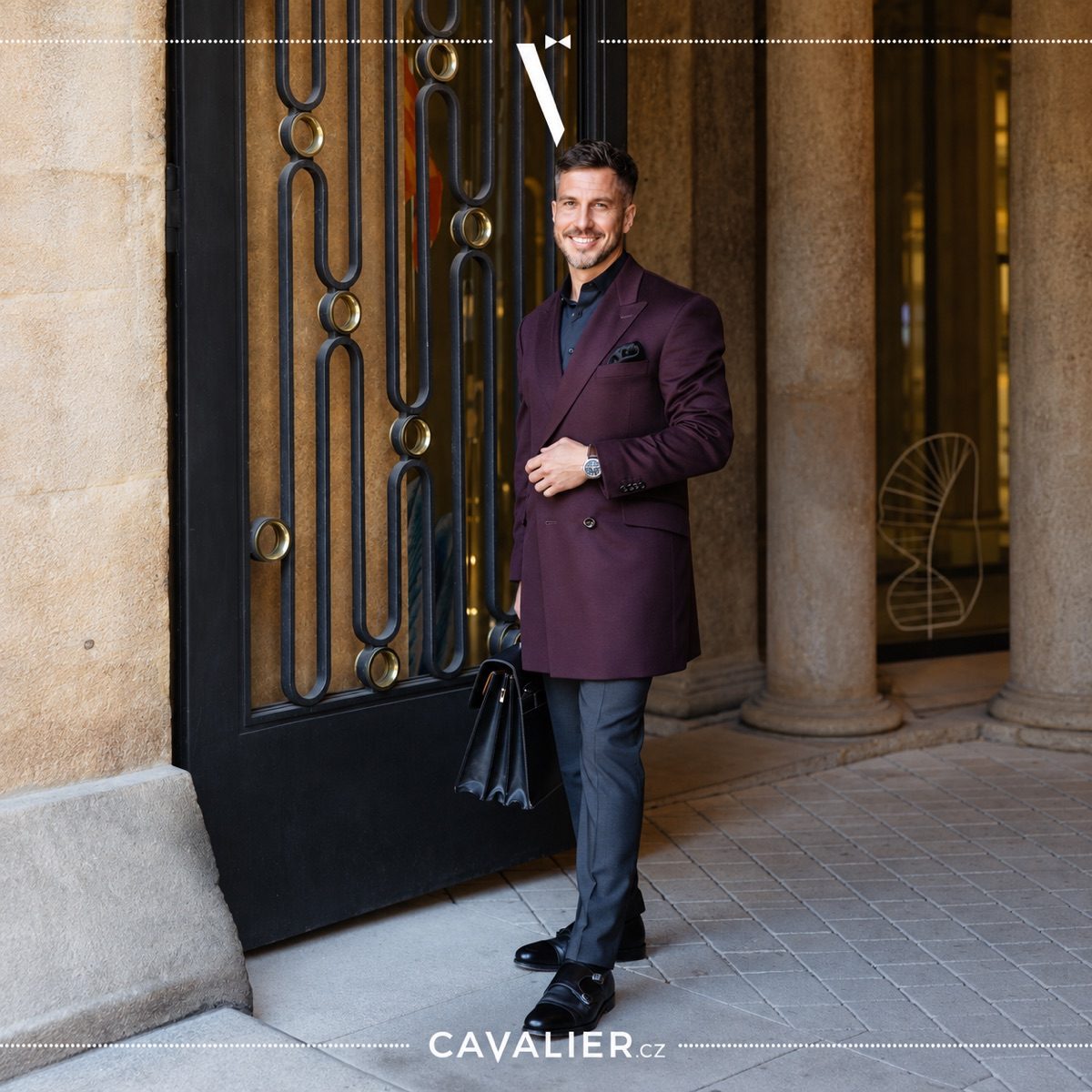
Wool and cashmere are different fibres
Wool comes from sheep; cashmere is collected from the fine undercoat of cashmere goats. Both are natural animal fibres, but they differ in fineness, availability and how they behave in a finished fabric. Each goat yields much less cashmere than a sheep yields wool, which helps explain the higher price.
On the page for Cavalier made-to-measure coats you can explore fabrics and configuration options.

At a glance: wool vs. cashmere
Wool is versatile: depending on the fibre and weave, it can feel soft or more substantial and textured. It provides warmth, keeps its shape and, in a suitable coating fabric, handles frequent wear. Its care is generally practical, and the wide price range makes it suitable for both everyday and formal coats.
Cashmere is exceptionally soft, light and warm. It usually feels less structured than wool, but needs gentler handling and tends to cost more. It can be a good choice for a lighter luxury coat worn less often.
A wool–cashmere blend offers a middle ground. Cashmere makes the coat softer to the touch, while wool supports shape and durability. Its price usually falls between pure wool and pure cashmere. It can suit an elegant coat you plan to wear regularly.
These are general comparisons. A coat's appearance, warmth and longevity also depend on fibre fineness, fabric weight, weave, finish and construction.

Why wool works well for a made-to-measure coat
Wool combines properties useful in outerwear. It breathes, manages moisture and helps regulate temperature. The natural crimp of its fibres traps air, while the fibres' resilience helps the fabric recover its shape and resist creasing.
For a lighter layer in spring or autumn, read our article on the trench coat and how to style it.
Shape retention matters in a coat worn several times a week. The lapels, shoulders and front panels should still look neat after a car journey, travel or a full working day.
Not all wool is alike. A finer fabric may feel softer and more luxurious; a denser coating fabric can offer more resilience and protection in cold or windy weather. Look beyond the '100% wool' label to weight, weave and intended use.
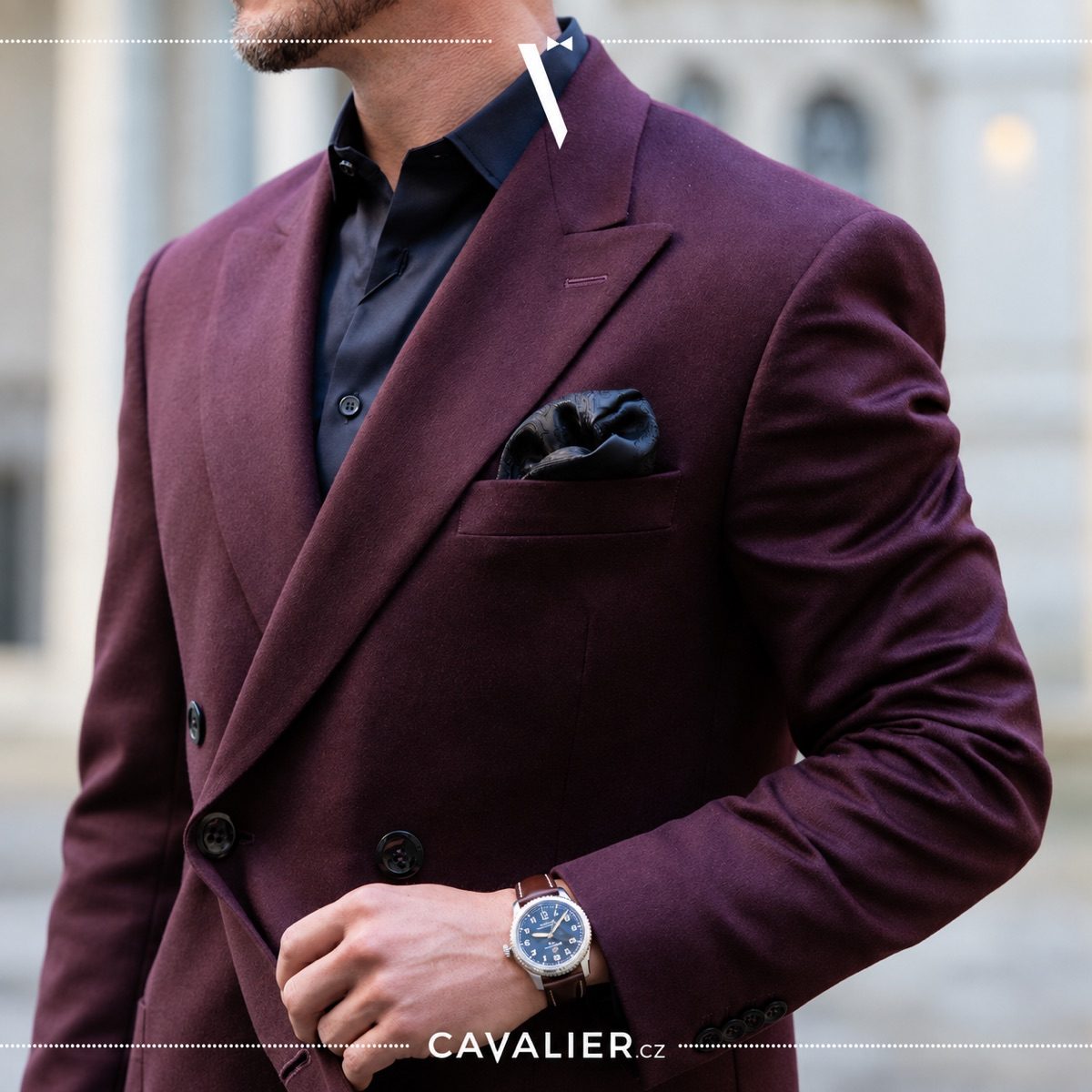
Where cashmere stands out
Cashmere can provide warmth without a heavy feel. It is soft to the touch and drapes elegantly. A pure cashmere coat may suit a client who values softness, lightness and a luxurious finish above all.
That softness calls for care. Cashmere benefits from gentler wear, proper hanging and thoughtful cleaning. For a hard-wearing everyday coat, consider whether softness or practicality matters more to you.
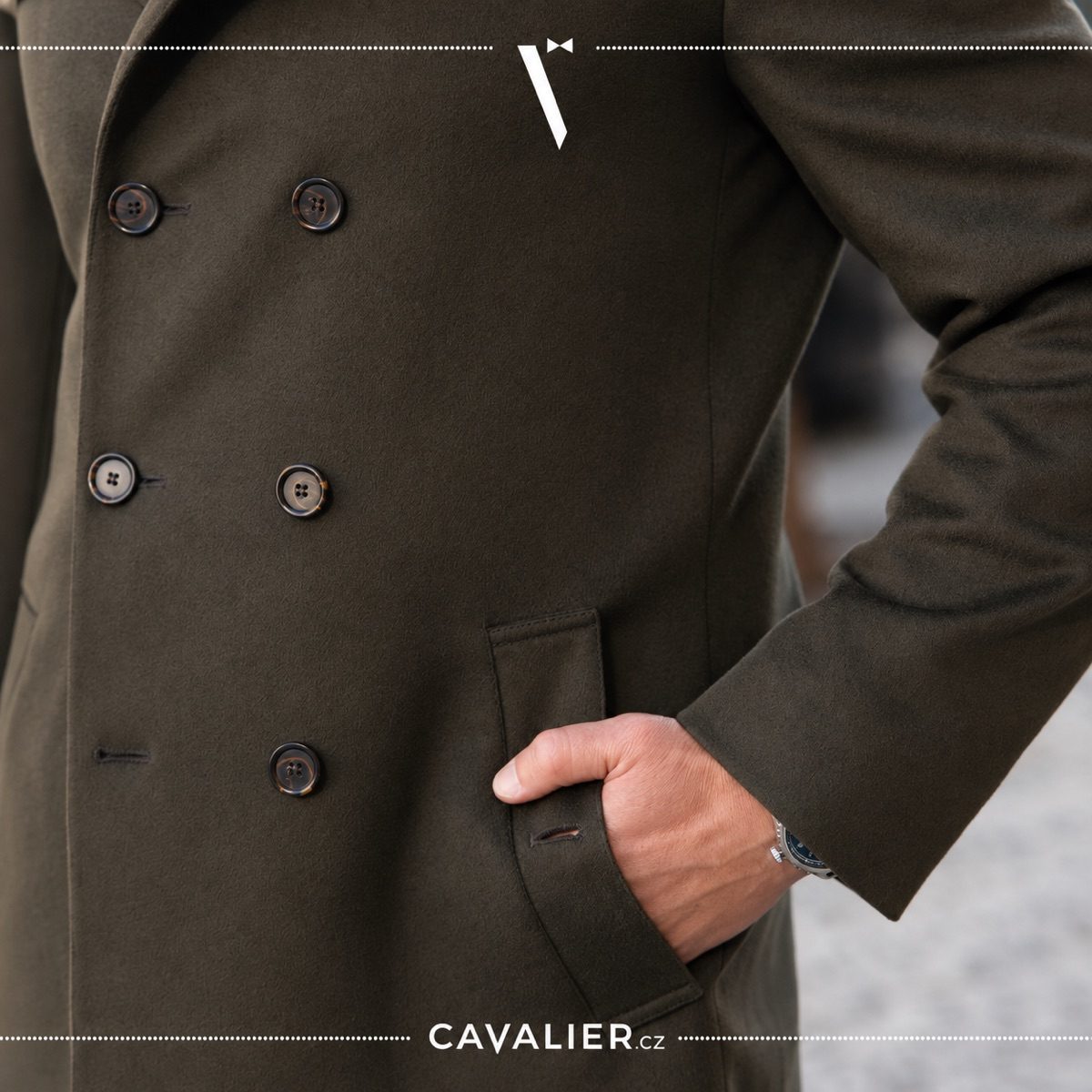
Why we often recommend a wool–cashmere blend
A blend brings together useful qualities from both fibres. Wool contributes resilience, shape and practicality; cashmere softens the hand and gives the fabric a more luxurious feel.
There is no ideal percentage for everyone. A little cashmere can make a versatile coating fabric feel softer. A higher proportion increases the sense of luxury but may also raise the price and the need for careful handling. The fabric sample and how you will wear the coat matter more than the number on the label.
Which fabric suits the way you will wear the coat?
A coat for work and everyday wear
Choose quality wool or a practical blend with a small proportion of cashmere. The fabric should hold its shape through regular wear and work over both suits and knitwear.
A polished city coat
Finer wool or a balanced wool–cashmere blend can offer a clean silhouette and pleasant feel without excessive delicacy.
A luxury coat for occasional wear
If softness and lightness are your priorities, a high cashmere content or pure cashmere may be worth considering. Allow for more careful upkeep.
A coat for damp and windy weather
Composition is only part of the story. Look for a denser weave and suitable fabric weight. A compact wool fabric may protect better than a very fine but loosely woven luxury cloth.
Colour and fabric finish
Navy and charcoal look more formal and pair easily with a business wardrobe. Camel, light brown and heather grey show off the fabric's texture and feel more relaxed. With very fine fabrics, consider practicality too: pale colours and smooth surfaces may show dirt or wear sooner.
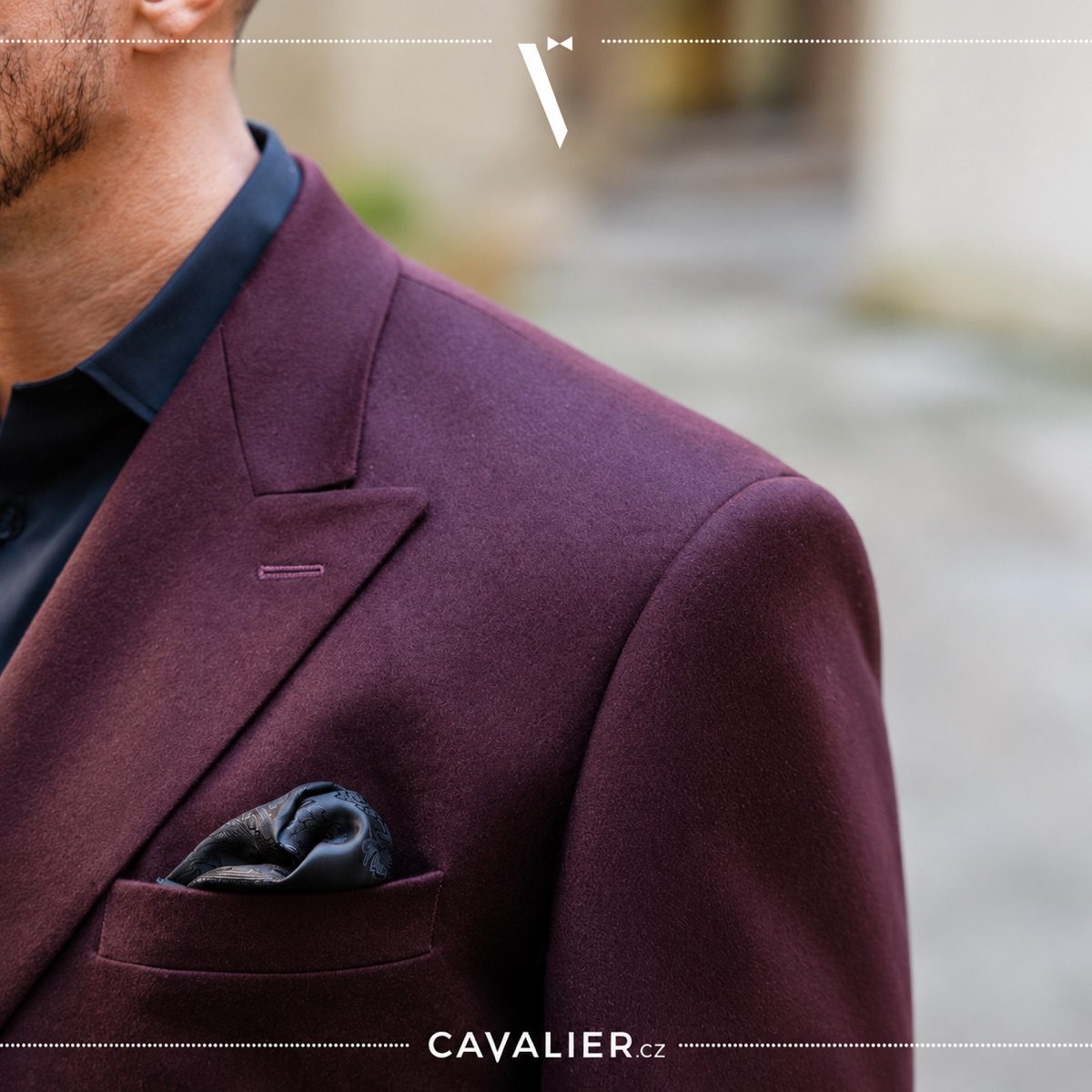
Unsure which cut, colour or fabric to choose? Read our guide to choosing a men's coat.
How to care for a wool or cashmere coat
Hang your coat on a wide hanger and let it air after wear. Brush the surface gently and regularly. Do not rub wet stains or dry the coat directly beside a radiator. Follow the fabric maker's care instructions and dry-clean only when needed.
For long-term storage, make sure the coat is clean and protected from moths. For more on wool care, see Woolmark Care.
Key points
Wool is versatile, resilient and good at holding its shape. Cashmere is notably soft, light and luxurious. A wool–cashmere blend balances practicality with comfort. The best fabric is not necessarily the most expensive: it is the one that suits how often and where you will wear the coat.
Frequently asked questions (FAQ)
Is cashmere warmer than wool?
Cashmere can feel very warm for its weight. In a finished coat, warmth also depends on fabric weight, weave density, construction and lining. Composition alone does not tell the whole story.
Is pure cashmere the best coat material?
Not for everyone. Pure cashmere is exceptionally soft and luxurious, but quality wool or a wool–cashmere blend may be more practical for heavy everyday use.
Does every wool coat feel scratchy?
No. Comfort depends on fibre fineness, finish and whether the fabric touches your skin. With a coat, a shirt, jacket or knitwear usually sits between the fabric and the body.
How can I recognise a quality coating fabric?
A good fabric should have an even surface, feel pleasant and recover from gentle pressure. It must also suit the intended use. Compare physical samples with a tailor or style consultant before choosing.
Article author: Petr Soler
Founder of Cavalier