

When Dry Cleaning Can Harm a Suit
What this article covers
Dry cleaning has a place in suit care, but it is not needed after every wear. Learn when airing and gentle brushing may help, when to seek professional cleaning and why the garment’s own care label comes first.

Dry cleaning is a familiar part of caring for a suit. It is not necessarily needed after just a few wears. The fabric, construction, degree of soiling and care label should guide your choice.
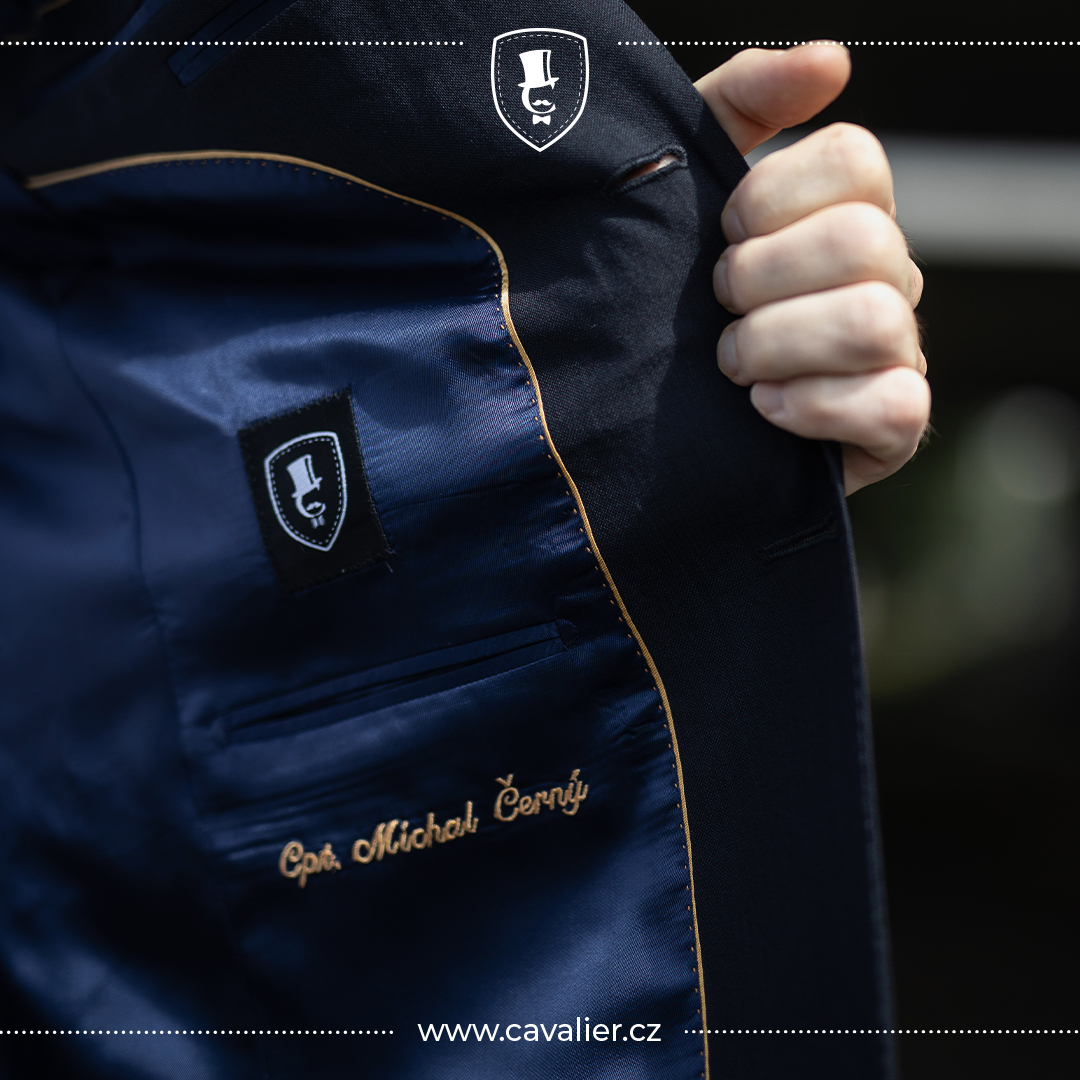
A jacket has more than an outer fabric: its lining and inner construction may need different care. An unsuitable method or excessive heat can change its appearance or shape. Some jackets, however, explicitly require professional dry cleaning.
A suit is more than its outer fabric
The outer cloth is only what we see first. Inside a jacket, other layers and supports help it hold its shape. The right cleaning method therefore cannot be decided solely by whether the outer fabric is wool.
Check the care label first and, if necessary, ask a cleaner experienced with tailored garments. Unsuitable washing, drying or pressing can harm a jacket; correctly chosen professional cleaning is recommended for some garments.
Avoid cleaning by an arbitrary schedule
The number of wears alone does not determine when a suit needs dry cleaning. If it is clean and free of odour, consider simple care in line with its label. Stains, body oils or a “dry clean only” instruction may call for professional care.
Woven wool garments can often be aired on a suitable hanger and gently brushed after wear. Wool resists some odours and creasing, but it is not “self-cleaning” in the sense of removing every stain. Make sure the garment is clean before long-term storage.
When to have a suit checked after cleaning
A change in feel, unwanted shine or loss of shape after treatment may indicate an unsuitable process. These signs alone do not establish the exact cause; there can be several explanations. If in doubt, show the garment to an experienced cleaner or tailor.
Before further cleaning, note what has changed and ask which method suits the specific fabric and construction. Avoid attempting repairs to the lining or inner layers at home.

Choose the process for the garment
Cleaners use different methods. With a tailored jacket, point out its fabric, lining, any stains and the instructions on its label. Ask how it will be finished and pressed after cleaning.
Care should match the garment’s actual condition. Airing and a soft brush may remove surface dust, but they do not remove every stain. Professional cleaning has its place, especially when specified on the label or when the garment is soiled.

How often should a suit be dry cleaned?
There is no universal interval for every suit. Consider how often you wear it, stains, odours, fabric and the manufacturer’s instructions. Ask an experienced cleaner if you are unsure.
Surface dust on woven wool can often be brushed away and the garment aired. This does not replace stain removal or the care specified on the label. Before long-term storage, check that the suit is clean and dry.
Read how the process works in our guide to the first consultation.

Everyday care at home
After wearing a woven jacket, hang it on a shaped hanger and let it air. Surface dust can be removed gently with a soft brush. Dry wet garments at room temperature, away from direct sun and heat; always follow the label.
Some wool garments can be refreshed by moisture in a bathroom, but pressing and steaming must suit the particular garment’s instructions. Do not leave stains untreated, and clean the garment properly before seasonal storage.
When professional cleaning is appropriate
A cleaner can help with stains, significant soiling or when the label requires it. Explain the material and the source of any stain, and choose a cleaner experienced with suits. Discuss delicate details in advance.

Care that suits the garment
A suit lasts longer when its care fits its condition and the manufacturer’s instructions. Airing and gentle brushing may avoid unnecessary treatment, but appropriate cleaning should not be delayed when it is soiled. There is no single method for every suit.
Dry cleaning need not be the automatic answer after every wear, but nor is it something to avoid in every case. The garment’s condition and care label decide.
Frequently asked questions
When can cleaning or pressing harm a jacket?
A jacket has multiple layers. A method that conflicts with its care label may affect its appearance or shape. That does not mean all professional cleaning is harmful; some jackets specifically require it.
What changes after treatment deserve a professional check?
After treatment, look for changes such as:
-
Loss of softness: The fabric may feel stiffer than before.
-
Unwanted shine: An unwanted sheen may appear on the surface.
-
Loss of shape: The jacket may lose some of its original shape. An experienced professional can assess the cause.
Must I dry clean a suit after every few wears?
There is no fixed number of wears. If the suit is clean, airing and gently brushing woven wool may be enough. For stains or a label that specifies professional cleaning, follow the label.
What can I do after an ordinary day of wear?
Depending on the fabric and care label, these steps may help:
-
Airing: Hang a woven jacket on a suitable shaped hanger.
-
Brushing: Remove surface dust from woven wool with a soft garment brush.
-
Refreshing: Humidity in a bathroom may relax minor creases in some wool garments. Always follow the label for pressing or steaming.
When is professional cleaning appropriate?
For stains, significant soiling or when the label specifies it. The garment should be clean before long-term storage. Tell the cleaner about the fabric and any stains.
Article by Petr Soler
Founder of Cavalier