
Made-to-Measure vs Off-the-Rack Suits
What will you learn in this article?
Many men assume that a made-to-measure suit costs vastly more than a ready-to-wear one. Once you account for alterations and the potentially shorter life of a ready-to-wear suit, the difference can be smaller than expected. This article compares the value of both options and explains where they differ. You will see how a made-to-measure suit can account for your posture and natural asymmetries from the outset, making it more comfortable when you walk or sit. We also explain the benefits of a sewn canvas construction (Canvas and Half Canvas) compared with fused interlinings, which can develop visible bubbles after cleaning. Finally, we look at the role of local production in the Czech Republic and its effect on consistent quality.
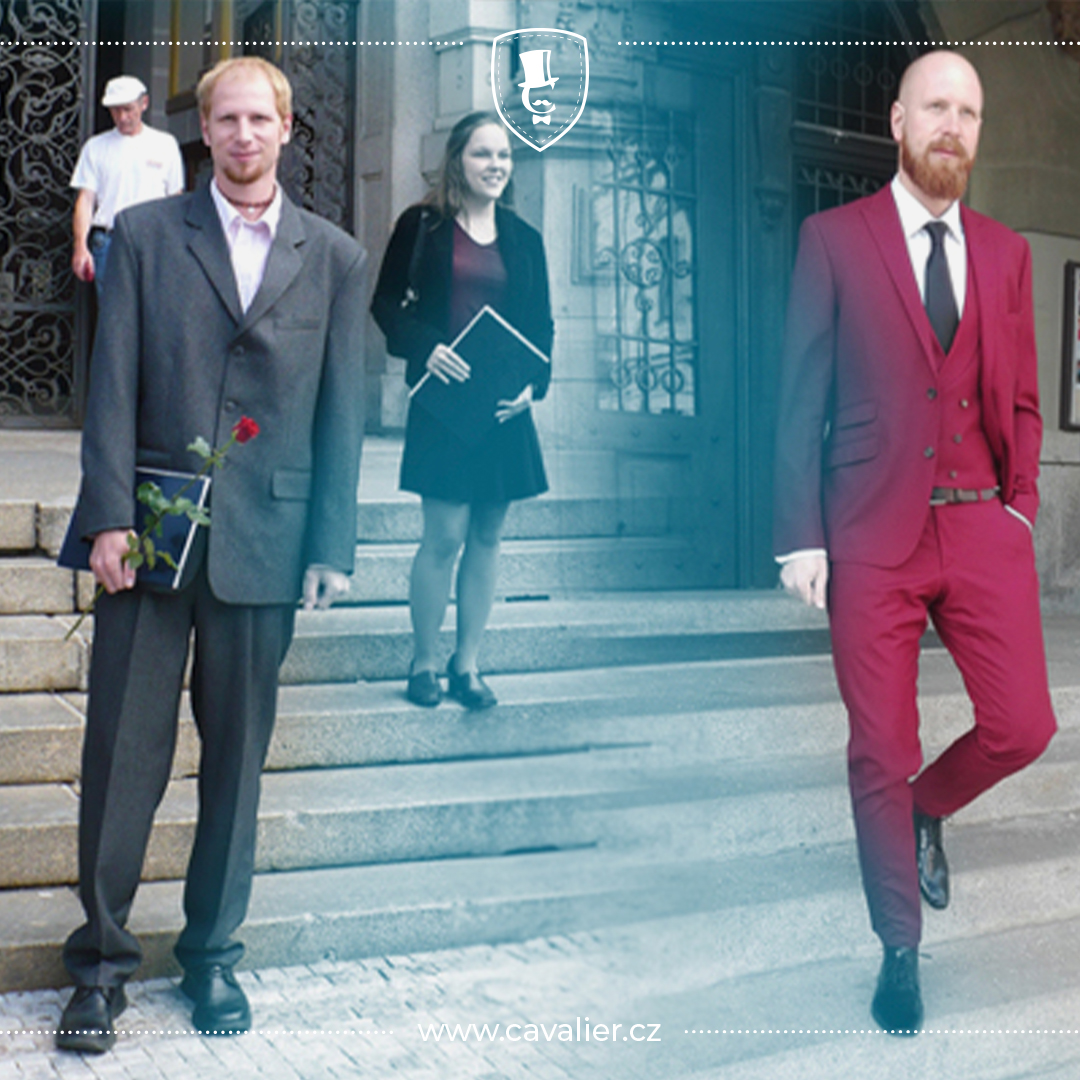
Many men feel that the price difference between ready-to-wear and made-to-measure suits is much greater than it often is. A higher-quality ready-to-wear suit can cost a similar amount once alterations, compromises in fit and its potentially shorter life are taken into account. At that point, it makes sense to consider value as well as the price tag.
At first glance, a ready-to-wear suit looks like a quick, simple answer. You enter a shop, choose a size, have the sleeves shortened and leave feeling sorted. Over time, however, many men find that their suit does not quite work for them. It may fit poorly, restrict movement or fail to give them a natural sense of confidence. That is where the difference between ready-to-wear and made-to-measure becomes clear.

A ready-to-wear suit involves compromise because it is cut to standard proportions. Yet shoulders, torso length, posture and small asymmetries vary from person to person. Ready-to-wear alterations can address only some of these differences. A made-to-measure suit accounts for them from the start: the cut is set for your figure rather than adjusted afterwards. The result is a more natural, elegant silhouette.

Comfort is another difference. A made-to-measure suit should not pull or restrict you when you sit or walk, and it holds its shape throughout the day. That matters during long days at work, travel or all-day events. A ready-to-wear suit may look good while you stand still, but its limits can become apparent when you move.

Jacket construction is another important, often overlooked difference. Ready-to-wear jackets commonly use a fused construction, with the inner reinforcement bonded to the outer fabric. This can lower the cost, but it may reduce breathability, shape retention and longevity. A made-to-measure suit with a canvas or half-canvas construction works differently. A canvas layer is sewn into the jacket, allowing it to move with the body, breathe more easily and gradually settle to the wearer's shape.

Some differences appear only with time, often after the first dry clean. On a fused ready-to-wear jacket, the bonded interlining may separate and create small ripples or bubbles on the surface. A canvas or half-canvas construction avoids that particular bonding issue because its layers are sewn rather than glued.
The difference between ready-to-wear and made-to-measure often shapes the overall impression.
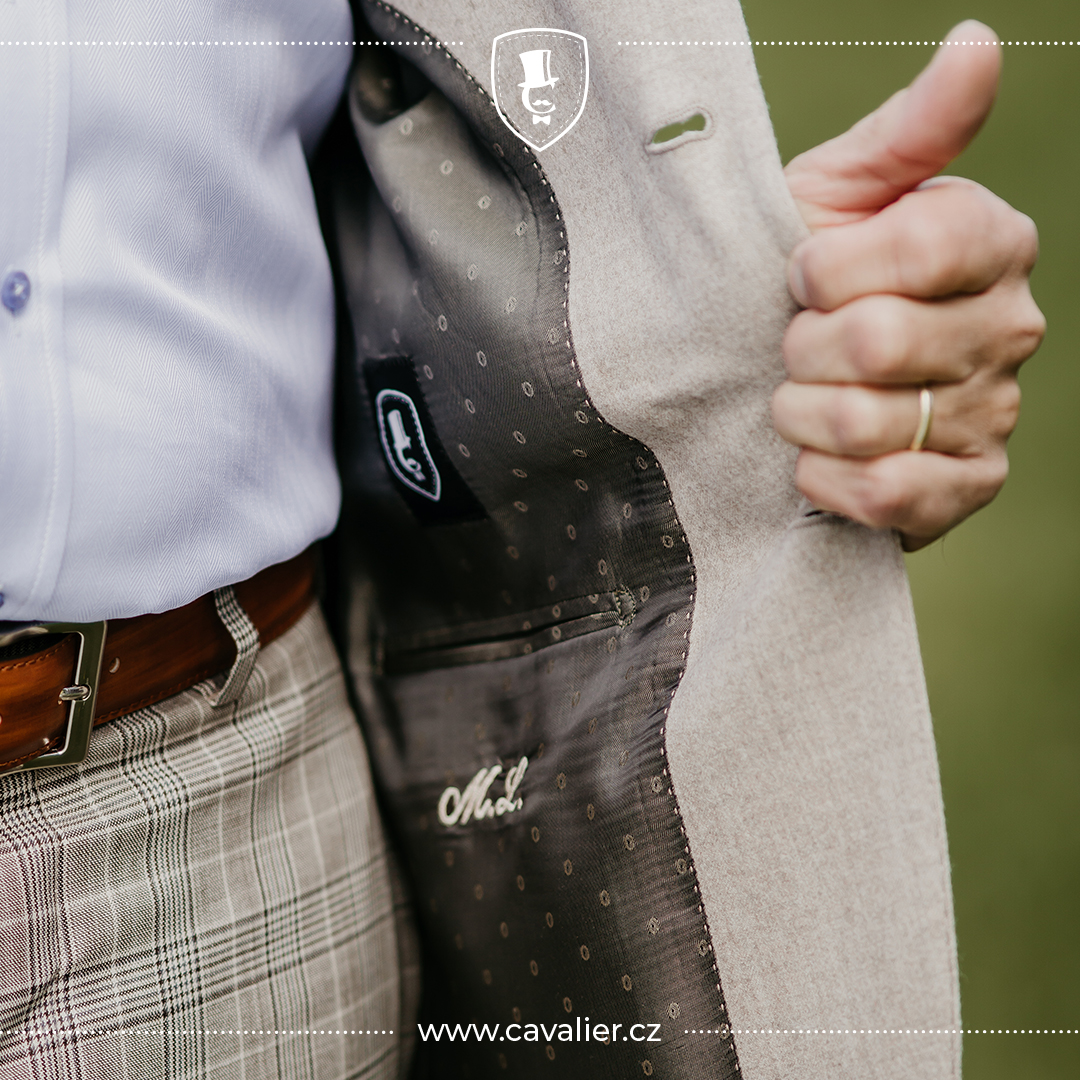
Where a suit is made can also affect its quality and price. A suit made in the Czech Republic offers a different level of oversight and accountability from one produced anonymously abroad. Local production can cost more while supporting a consistent result over time. In general, shifting production to lower-cost locations can lower the price, though quality may also vary.
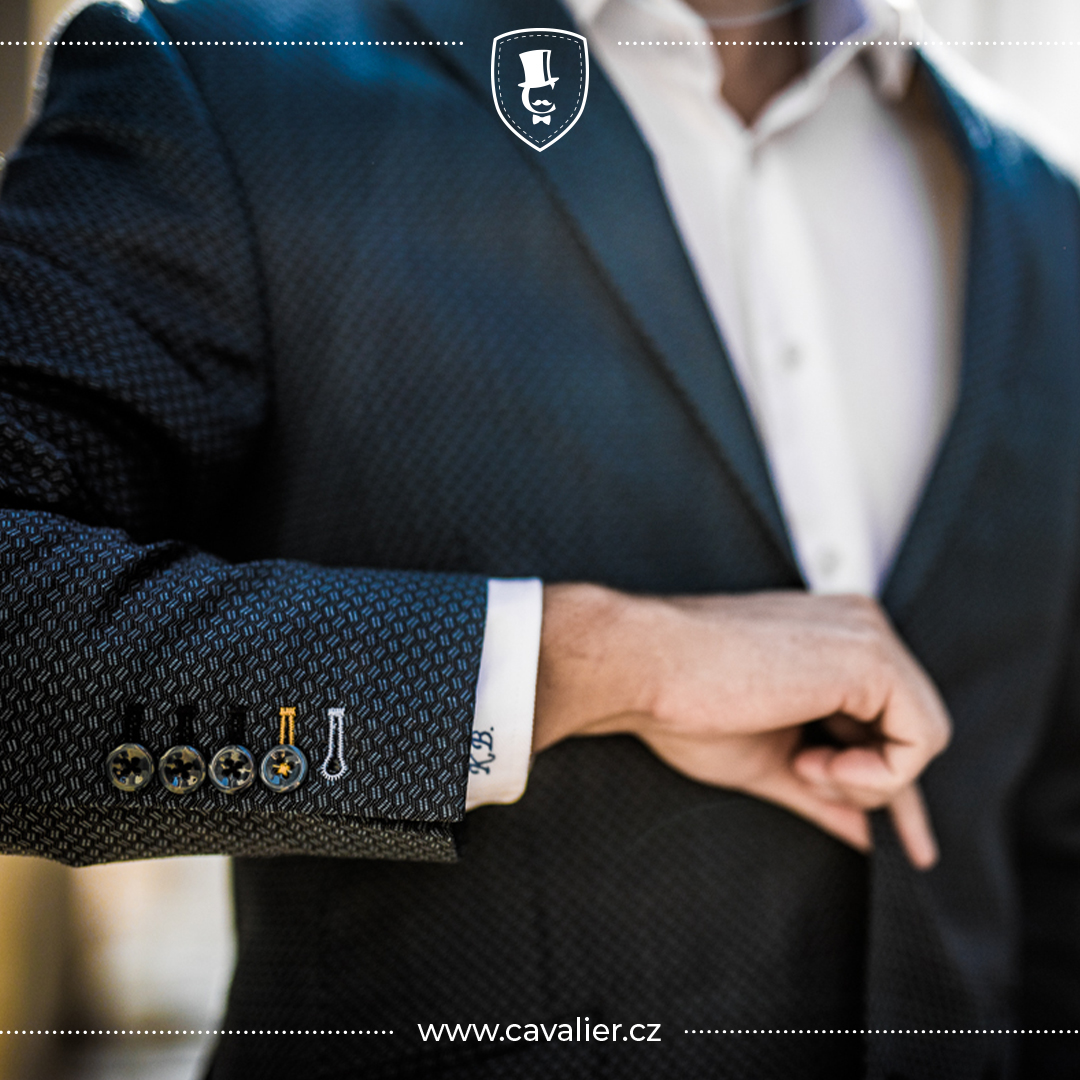
Is a made-to-measure suit worth it? If you wear a suit only occasionally, ready-to-wear may serve you well. If suits are part of your working or social life, made-to-measure can offer greater comfort and long-term value. The difference in the initial price may be smaller than it first appears.
Frequently asked questions (FAQ)
Why can an altered ready-to-wear suit cost almost as much as made-to-measure?
With a higher-quality ready-to-wear suit, you may also need to pay for alterations such as shortening the sleeves, taking in the waist or adjusting the trouser legs. A fused jacket may have a shorter life, too. Looked at over years of wear, the total cost can approach that of a made-to-measure suit.
How does comfort differ between ready-to-wear and made-to-measure suits?
A ready-to-wear suit is based on standard measurements and may fit best when you are standing still. A made-to-measure suit accounts for your posture, asymmetries and movement. It should feel comfortable when you sit or walk and keep its shape throughout the day.
How can I tell if a ready-to-wear suit uses a fused construction?
Many ready-to-wear suits have fused interlinings. These can be less breathable and may not last as long as a sewn canvas. Over time or after dry cleaning, separation of the bonded interlining can create small, visible bubbles on the jacket's surface.
When is ready-to-wear enough, and when should I choose made-to-measure?
Ready-to-wear may be enough if you wear a suit only once in a while and a standard size fits you well. If you wear suits regularly for work or social occasions, made-to-measure can offer better comfort, presentation and long-term value.
Article author: Petr Soler
Founder of Cavalier