
How to Dress a Team for Work
What you will learn
Clothing can be part of how a team presents itself. This guide looks at coordinated business dress without making everyone look the same: choosing a palette, adjusting garments to different people and deciding which details to share. It also explains where made-to-measure suits and shirts may be useful.
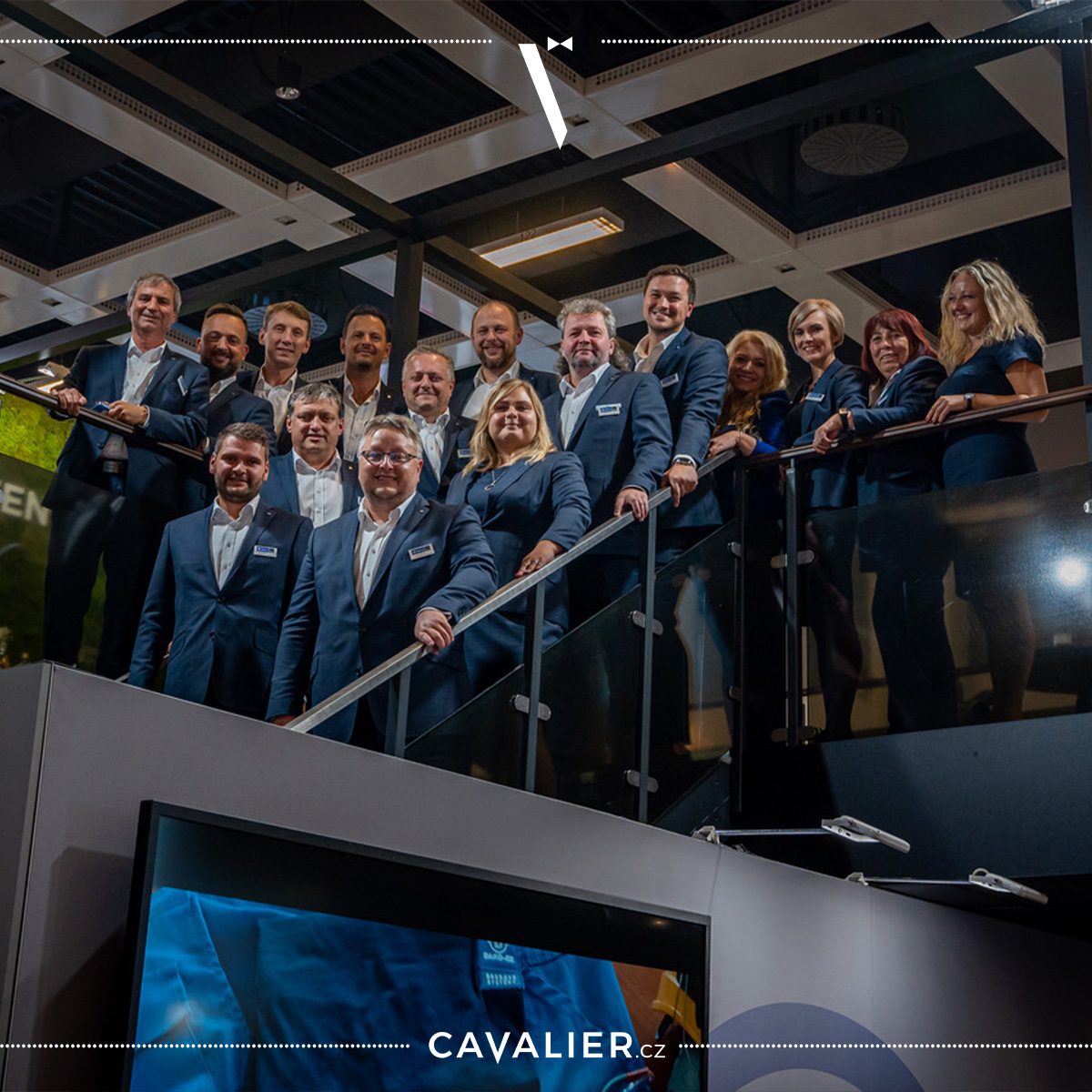
Before a meeting begins, clients and colleagues see how a team presents itself. Clothing is only one part of that impression, but it can make a group look more coordinated and help individuals feel comfortable in their role.
A business suit can be considered alongside a company’s other visual choices. Rather than assuming one outfit signals professionalism by itself, think about whether the dress code fits the people, setting and work they do.
A dress code need not make everyone identical
A coordinated team does not have to wear a uniform.
A shared palette or level of formality can leave room for each person’s preferences and role. Made-to-measure clothing is one way to adapt the fit while retaining a common visual approach.
If you are choosing your first suit, start with our guide to choosing a made-to-measure suit.
Cut, colour and details can be adjusted to the wearer. A client-facing adviser may need something different from a colleague who spends most days away from formal meetings; the team can still share an overall style.

Made-to-measure or ready-to-wear for a team?
Ready-to-wear uses standard sizes, which may need alterations to fit different people.
Team members have different builds and preferences. Some may find suitable ready-to-wear clothing; others may benefit from individual measurements or adjustments. Compare the fit, use and budget before choosing an approach for everyone.
A comfortable, well-fitting jacket can be easier to wear through a long working day. The wearer should be able to move and sit comfortably without repeatedly adjusting it.
Choosing colours for business dress
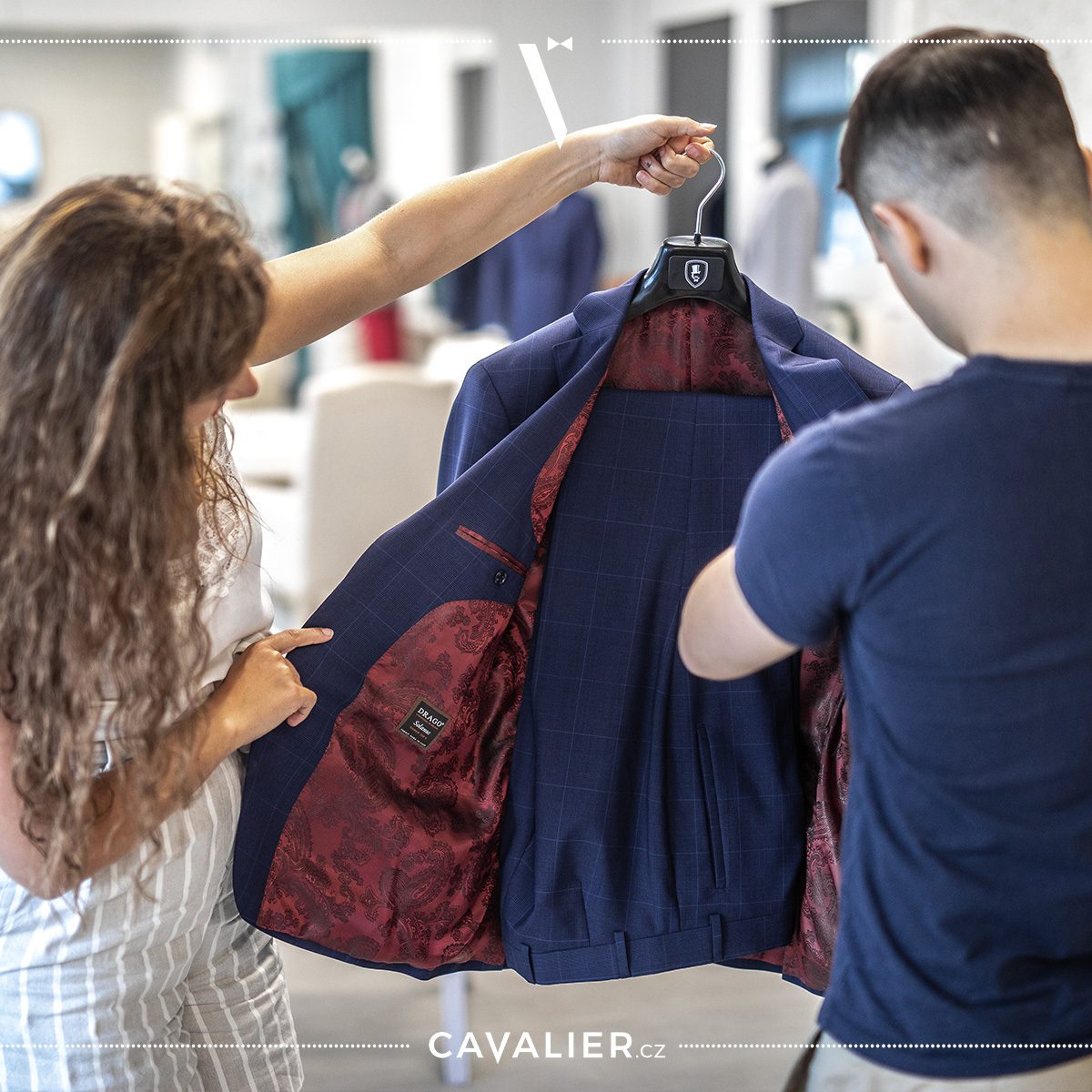
Navy is a versatile starting point for business clothing. It combines with many shirt colours and can be worn at different levels of formality.
Dark grey is another option. Decide on a palette that suits the organisation, then check how the clothing works with shirts, accessories and the situations in which it will be worn.
Shirts are part of the overall look
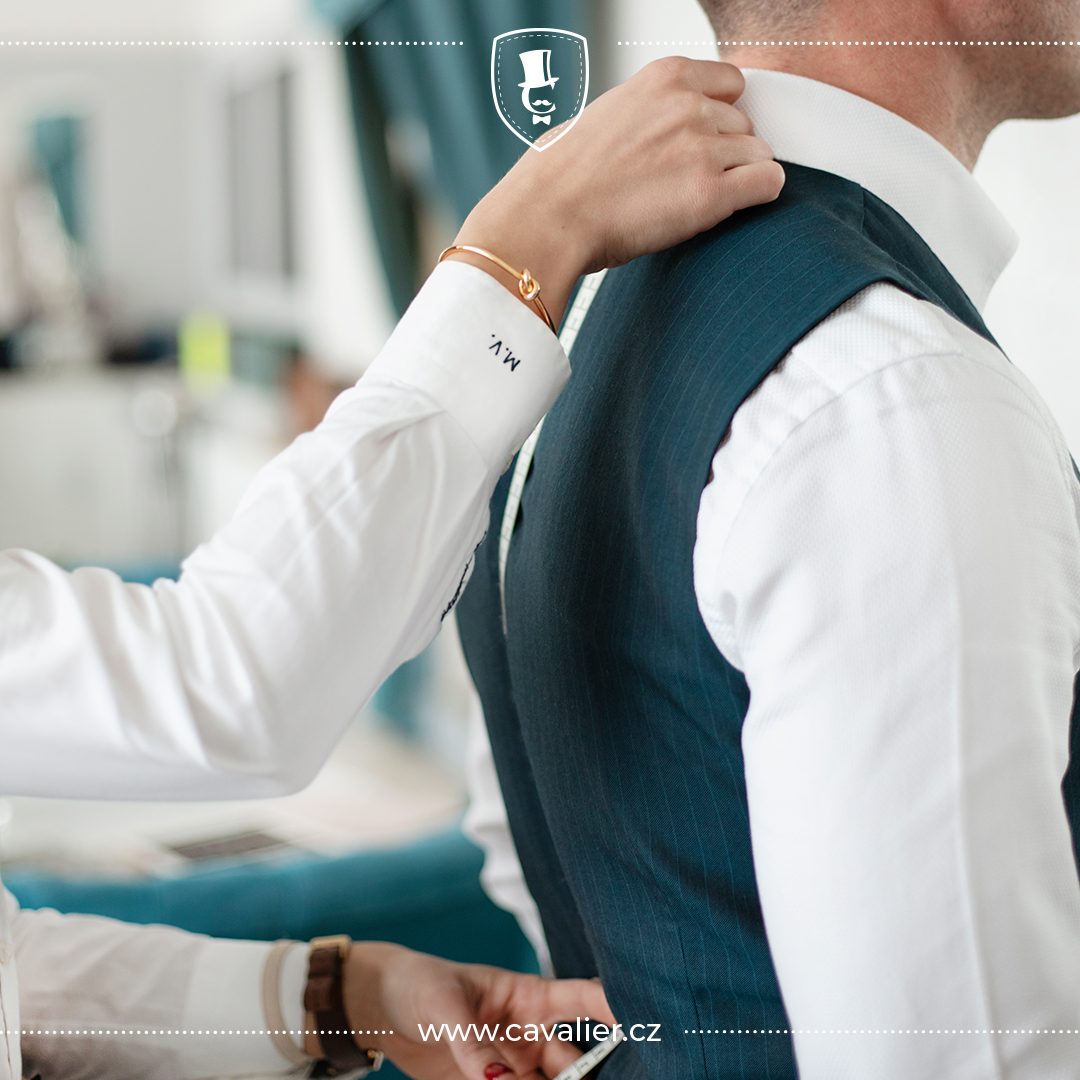
A shirt affects both comfort and the appearance of a business outfit. Its fabric, fit and details can be chosen to work with the rest of the team’s clothing.
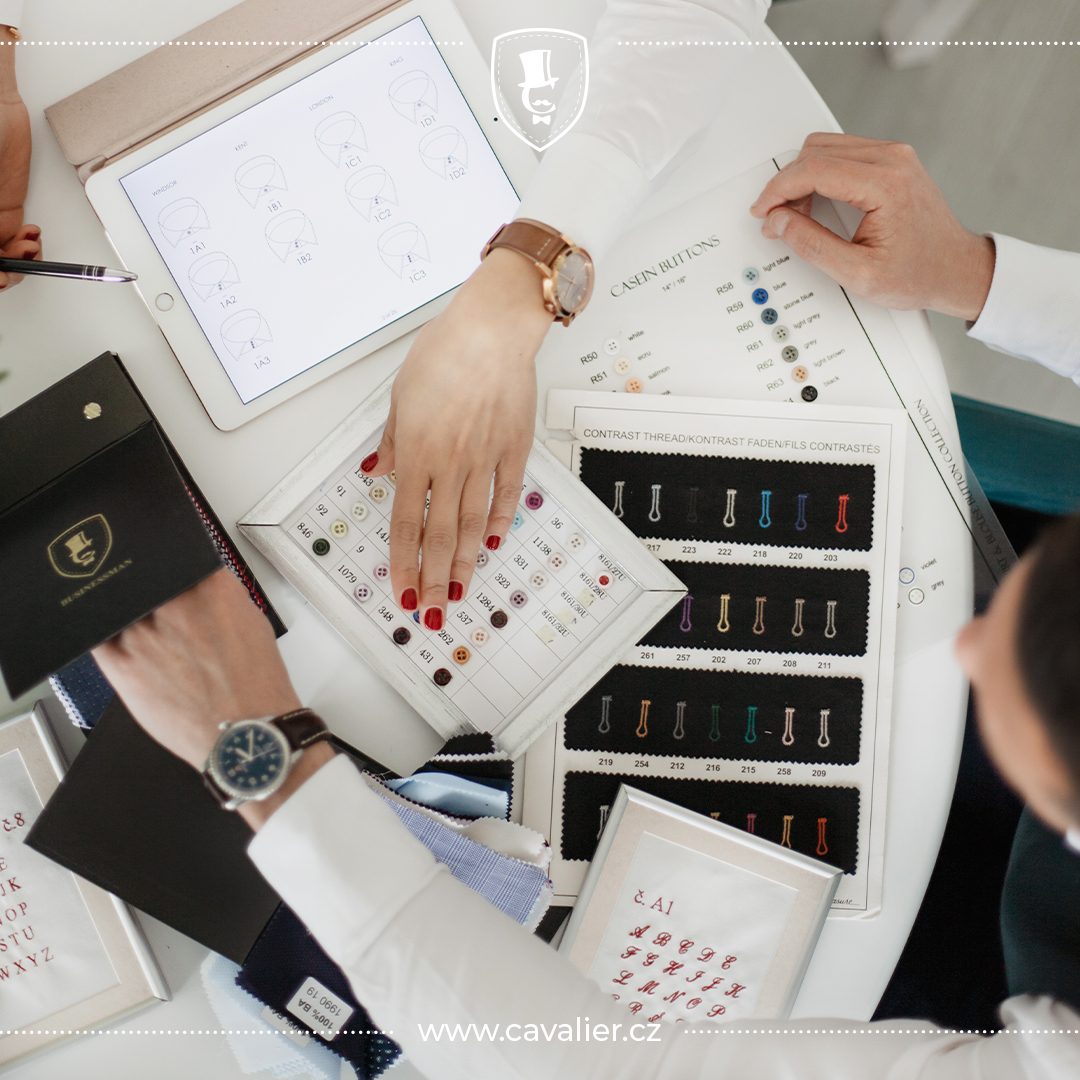
You might use restrained personalisation such as a monogram, a coloured thread or an interior detail. Discuss which details are available before making them part of a company dress code.
Choosing clothing for a team
If a company is considering made-to-measure clothing, start with the roles, occasions and budget. A coordinated look may be useful, but clothing alone does not establish trust or produce a measurable business result.
The useful choice is one that works for the people who will wear it.
For an overview of suit pricing, read what affects the cost of a made-to-measure suit.
Frequently asked questions
Can team clothing support a consistent company image?
It can be one part of a consistent visual approach. Choose garments that fit the work and the people wearing them; a suit by itself does not establish a company’s credibility.
Does a corporate dress code remove individuality?
It need not. A team can agree on colours or formality while allowing the cut and details to suit each person. The result depends on the rules the company chooses.
Which discreet details could a team consider?
Ask which personalisation options are available for the garments you are ordering. Examples to discuss include a small embroidered monogram, a coloured buttonhole thread or an interior detail on a jacket.
How can a team accommodate different body shapes?
Take each person’s measurements and try on the proposed garments. Ready-to-wear can sometimes be altered; made-to-measure offers further choices of cut and detail. Check comfort and movement as well as appearance.
Article author: Petr Soler
Founder of Cavalier