
Choosing Fabric for a Year-Round Made-to-Measure Suit
What you will learn
If you are choosing a new suit, you may be weighing a few seasonal options against one versatile piece. This guide looks at so-called Four Seasons cloths and how weight, weave and fibre content affect comfort. We also discuss merino wool, shirts worn underneath a suit and the occasions when a well-chosen suit can be worn again. No single fabric suits every climate or wearer.

Do you need separate suits for each season, or one you can wear for much of the year? Your climate, the places you wear it and how often you dress formally all matter.
A year-round made-to-measure suit can be a useful starting point. Choose the cut and cloth for the occasions you actually have in mind, whether that is work, an event or a wedding.
Fabric matters to year-round comfort
Colour and cut shape the appearance of a suit, but the fabric also affects how comfortable it feels in different seasons.
Compare the cloth’s weight, weave and fibre content.
“Four Seasons” usually describes fabrics intended for use across much of the year. A cloth weighing roughly 240–270 g/m² can be one option, but there is no universal ideal: weave, lining, local weather and your own temperature preference affect the result. Handle a few samples before you choose.

Why consider merino wool?
Merino wool can be a versatile suiting fibre. Wool can help manage moisture and feel comfortable across a range of temperatures, though the weave and weight of the actual cloth make a substantial difference. Compare samples for your intended use rather than relying on a fibre name alone.
A wool suit and a ready-to-wear suit with a high synthetic content may feel different. Comfort depends on the complete fabric and construction, so compare the garments themselves before deciding.
Remember the shirt
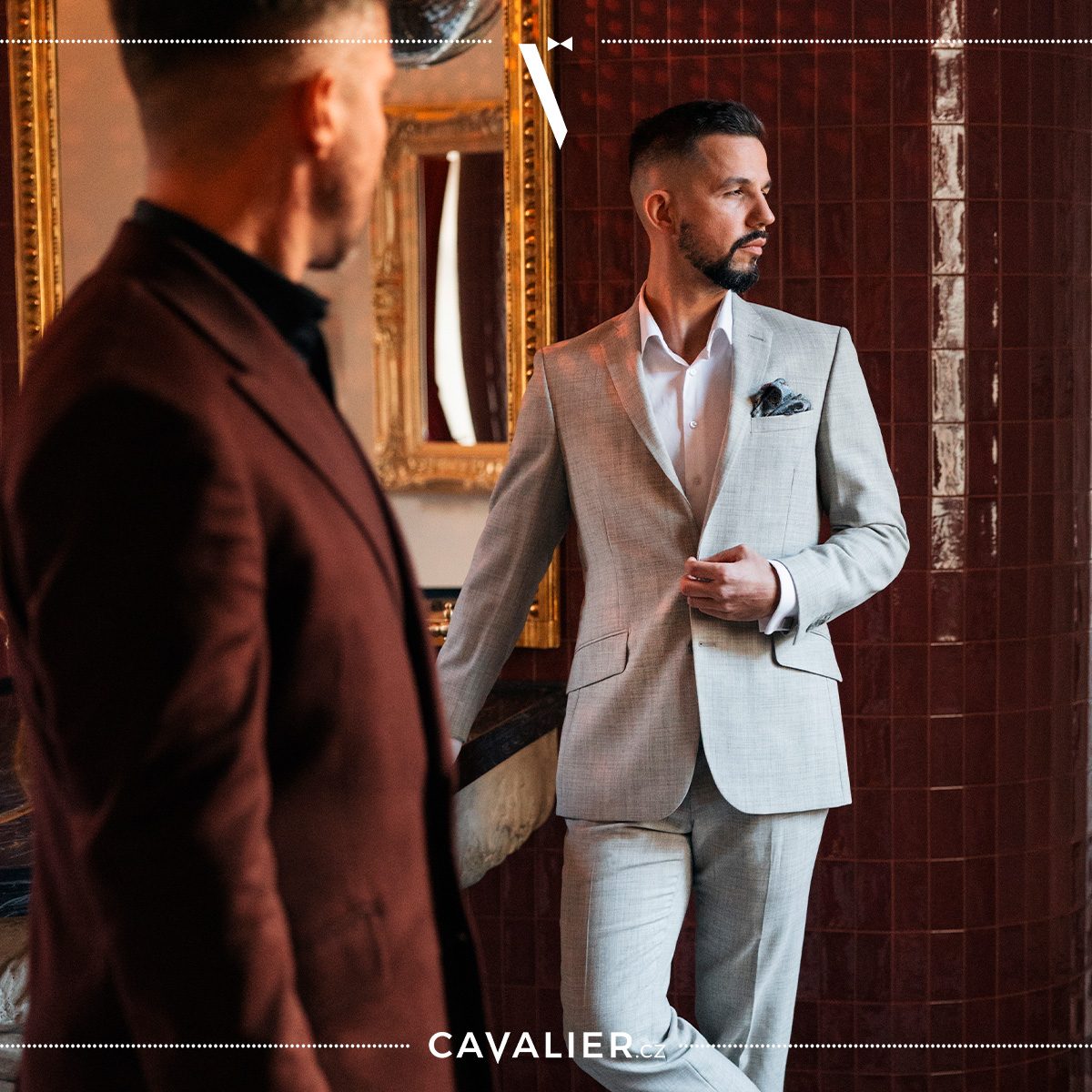
The shirt you wear underneath also affects comfort. A cotton shirt in poplin or fine twill can be a practical choice; compare the weave, weight and fit against the suit you plan to wear.

One suit for several occasions
A well-chosen suit can be worn for work, meetings and special occasions. How long it lasts depends on use, care and the particular cloth.
Think of a versatile suit as a foundation for outfits you will actually wear. Different shirts and accessories can make the same suit feel more formal or more relaxed.
For an overview of pricing, read what affects the cost of a made-to-measure suit.
Frequently asked questions
What fabric weight should I consider for a year-round suit?
One range to compare is approximately 240–270 g/m², but weight alone does not determine comfort. Weave, lining and local climate also matter. Ask to feel several cloths in person.
Why might I choose merino wool for a versatile suit?
Merino wool can help manage moisture and offer comfort across temperatures. The specific fabric’s weave, weight and finish still determine how the suit feels and wears; wool does not guarantee that it will never crease or feel warm.
Which shirt fabric works with a year-round suit?
A shirt made from cotton can be a versatile choice. Compare weaves such as poplin and fine twill for the feel, breathability and appearance you prefer.
Can I wear a year-round suit to a wedding?
Often, yes, if its colour and formality suit the invitation. A navy or mid-grey suit can work for many weddings and be worn again afterwards. Check the dress code first: a regular suit does not replace black tie when a tuxedo is required.
Article author: Petr Soler
Founder of Cavalier