
Ten Rules for Men’s Formal Style
A well-fitting outfit makes a strong first impression. These ten familiar style principles help you keep the details of formal dress in balance.
1. Show a little shirt cuff
A shirt cuff should show below the jacket sleeve, usually by about 1.5 cm. Both sleeves should sit smoothly so that the line of the arm looks clean.

2. Leave the bottom jacket button undone
On a traditionally buttoned suit jacket, leave the bottom button open. The cut is generally designed to hang more comfortably this way and gives the outfit a more relaxed line.

3. Match socks to the occasion
White socks with black formal shoes are usually best avoided. Choose socks long enough that your legs stay covered when you sit down.
4. Use colour thoughtfully
Colourful socks can add personality, particularly with shorter, slim-cut trousers.

5. Choose a bow tie
A self-tied bow tie has a character of its own. Black or white is traditional with formal eveningwear; for daytime occasions, colour offers room to experiment.

6. Get the tie length right
The tip of the tie should reach the top of the belt buckle.
7. Balance tie and lapel widths
The width of a tie often looks best in proportion to the jacket lapels. Slim lapels suit a narrower tie, while wider lapels can carry a wider one.

8. Add a pocket square
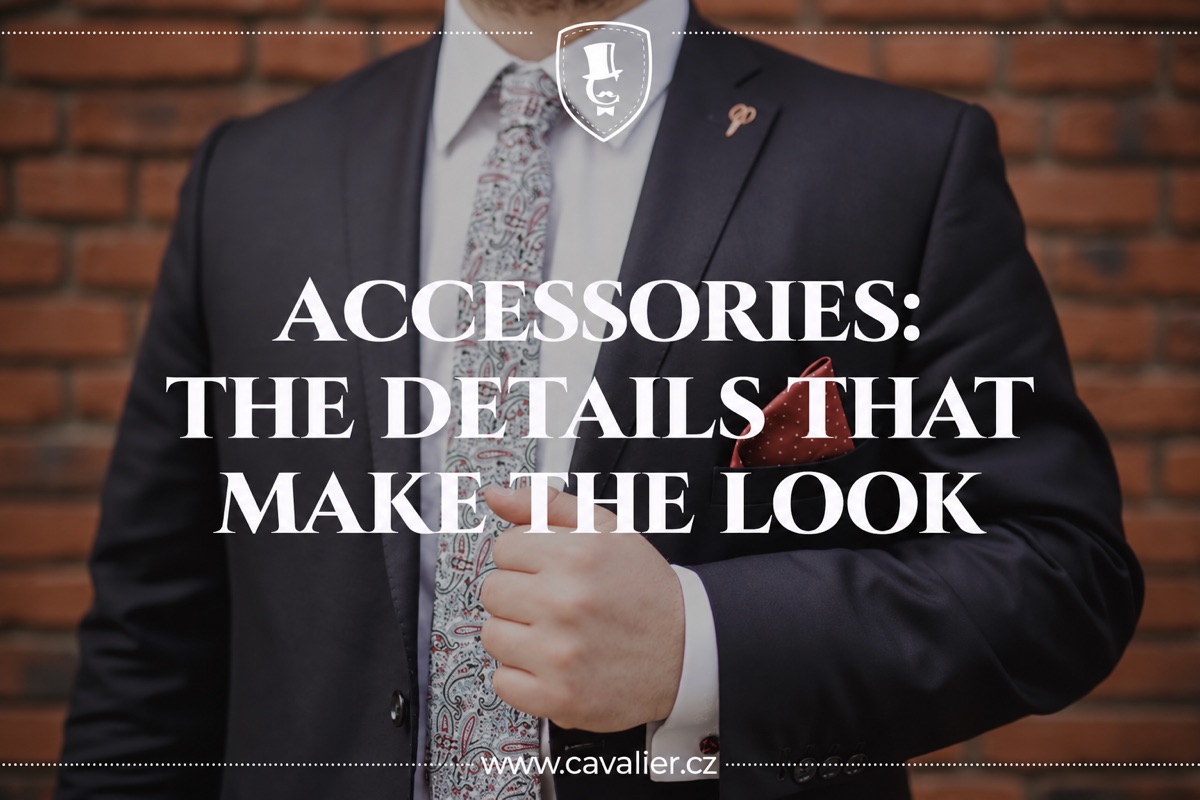
A pocket square can add a considered detail to a relaxed outfit. It need not match the tie exactly; a complementary colour or pattern often looks more natural. Wear one with a suit, sports jacket or blazer, with or without a tie.

For more on pocket squares, see our article “The pocket square: an elegant detail”.
9. Consider the belt
A belt in a colour that works with the shoes, watch strap and bag brings the accessories together.

For advice on choosing and matching a belt, read “How to choose the right belt”.
10. Keep everything clean
Even a well-fitting suit and fine leather shoes lose their impact if they are dirty. Regular care for the clothes and shoes makes a difference.
For more on looking after shoes, read “How to care for leather shoes”.

These ten points offer a starting place for anyone building a formal wardrobe. With practice, attention to the details becomes second nature.
Style should also be enjoyable and personal. Use the rules as a foundation, then experiment to find combinations that feel like your own.

Explore the Cavalier blog for more advice on formal dress and ways to develop your personal style.
Whether you are new to formal clothing or looking for fresh ideas, there is more to discover.
Cavalier