
How to Make Your Shirt Look Great, Part One
The shirt is both an enduring part of the modern man's wardrobe and a garment with a long history. It deserves careful attention. In this two-part guide, we look at fit, cuffs, collars, fabrics, colours, patterns and the other details that make a shirt work well.
A short history
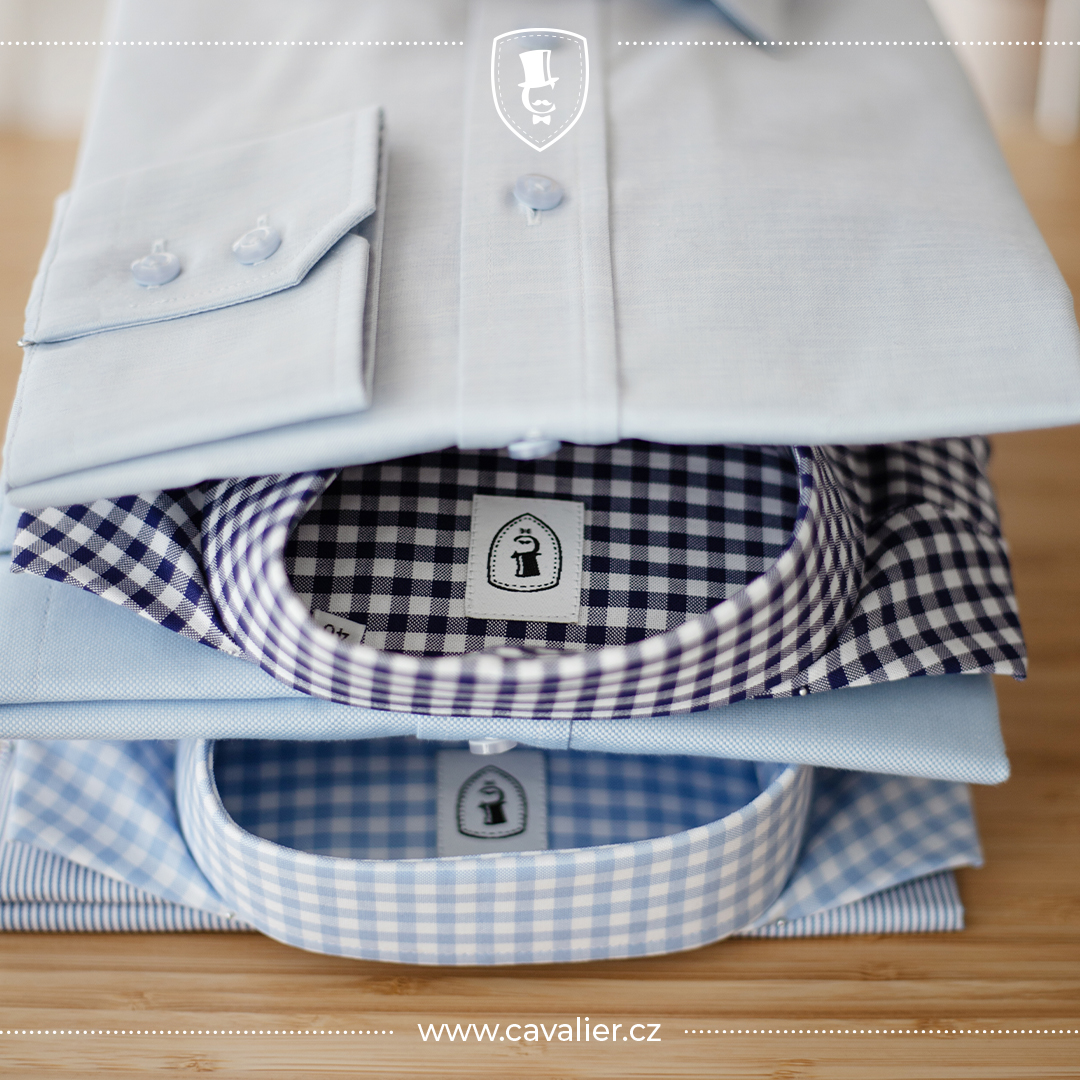
The familiar fitted cotton shirt with a button front became widely popular during the nineteenth century, as a growing urban middle class needed practical clothing.
A shirt with cuffs and a collar met that need. By around the 1820s, some collars were detachable so they could be changed more often than the shirt itself; wear and dirt showed most clearly at the neck.
A detachable collar could also be starched to keep it firm while the rest of the shirt stayed soft. Attached collars grew more popular in the early decades of the twentieth century and are the norm today. Whatever its shape or fabric, a good shirt remains a gentleman's trusted friend.
1. Getting the shape right
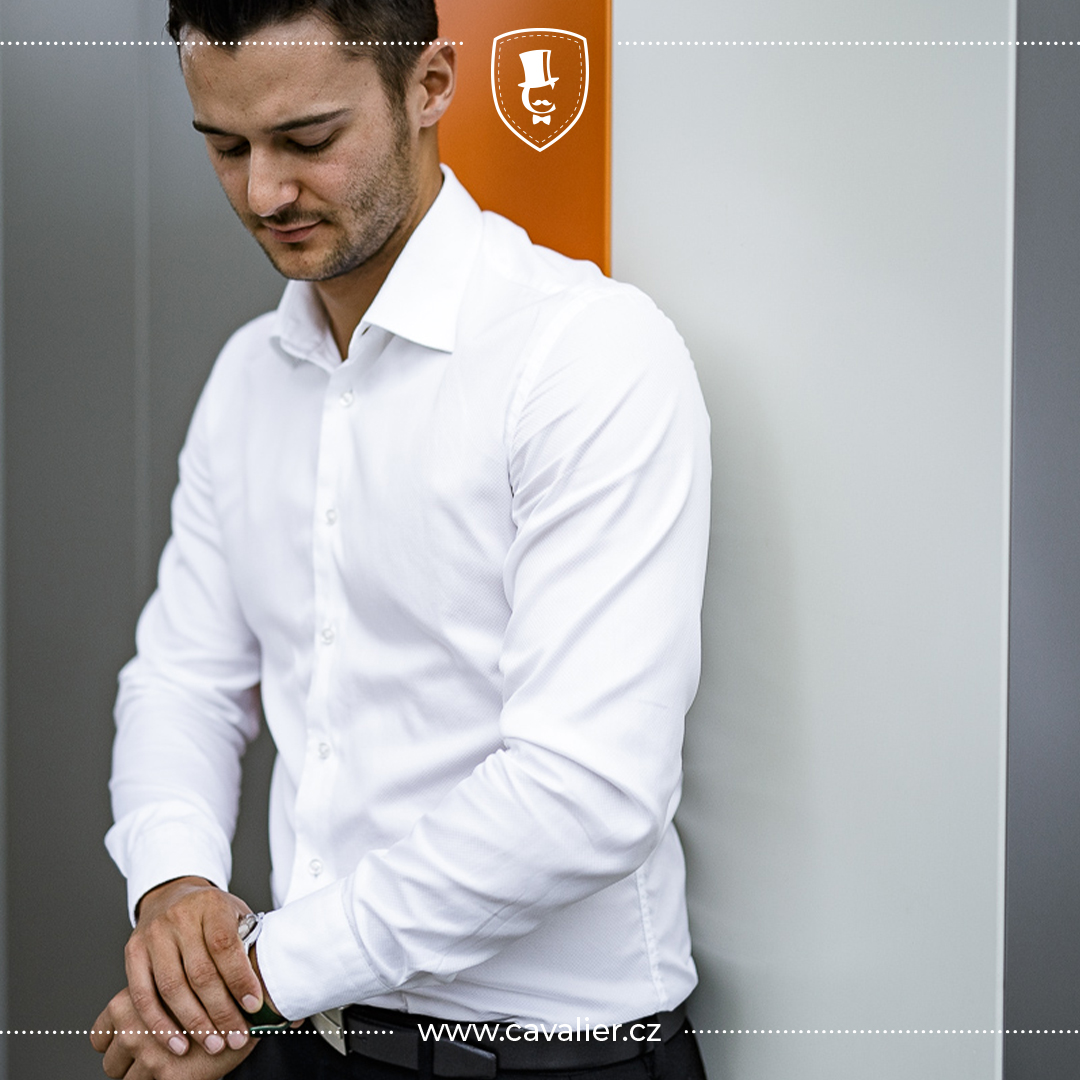
The yoke — the strip of fabric across the shoulders from which the shirt body hangs — is crucial. If it does not sit properly, the rest of the shirt will not either. Pleats in a regular fit or darts in a slim fit can shape the back, but the front should lie smoothly without excess fabric.
2. Pockets
A breast pocket can interrupt the line of a shirt. If you prefer a clean look, keep glasses, cards or your phone elsewhere.
3. Length
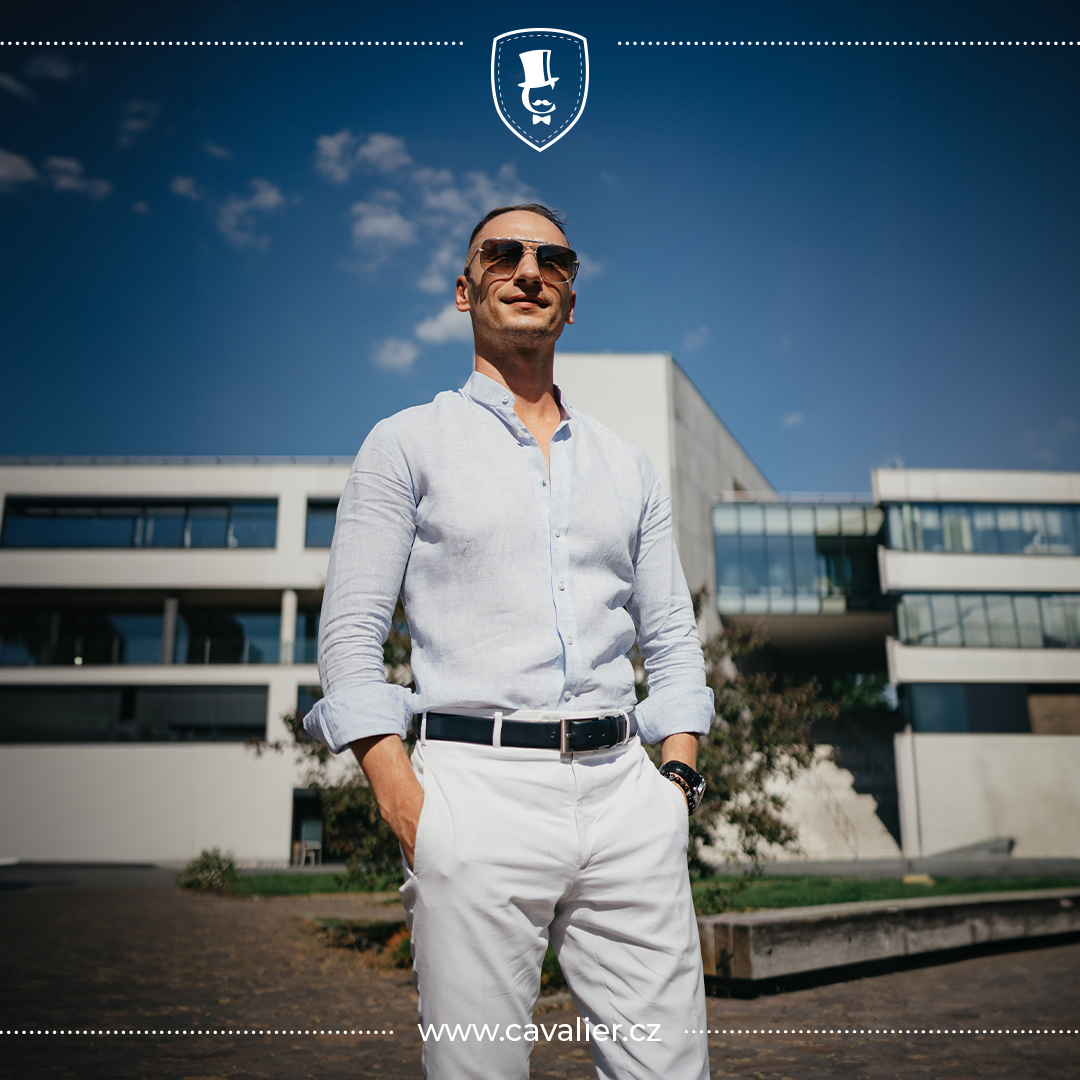
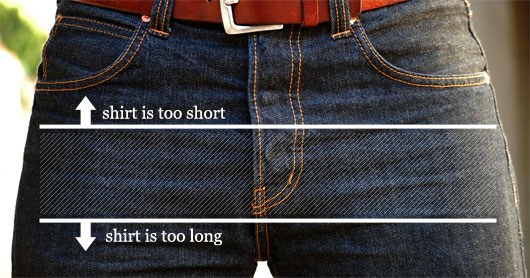
A shirt needs enough length to stay tucked in, but not so much fabric that it bunches up inside the trousers. This article recommends wearing it tucked in for a neater appearance.
4. Sleeves and cuffs
Armholes should fit comfortably without cutting into the skin, particularly under the arms. The sleeve should allow movement without billowing. It should be long enough for the cuff to show at the wrist.
Whether single or double, the shirt cuff should generally extend about one to two centimetres beyond the jacket sleeve. A standard cuff closes with one or two buttons at the wrist.
A French, or double, cuff folds back and closes with cufflinks, which should remain visible beneath a jacket. For a more relaxed look, roll up long sleeves rather than choosing a short-sleeved shirt.

Part two of our shirt guide How to Make Your Shirt Look Its Best is available here.
Cavalier