
How to Make Your Shirt Look Great, Part Two
In the first part of our shirt guide, we covered fit, pockets, length, sleeves and cuffs. Here we turn to collars, fabrics, colours and patterns.
Read part one of our shirt guide.
1. Collar styles
A collar should fit comfortably, with room for roughly two fingers between it and your neck. Its height and shape should also suit your build: a longer neck can carry a taller collar, including a two-button style.
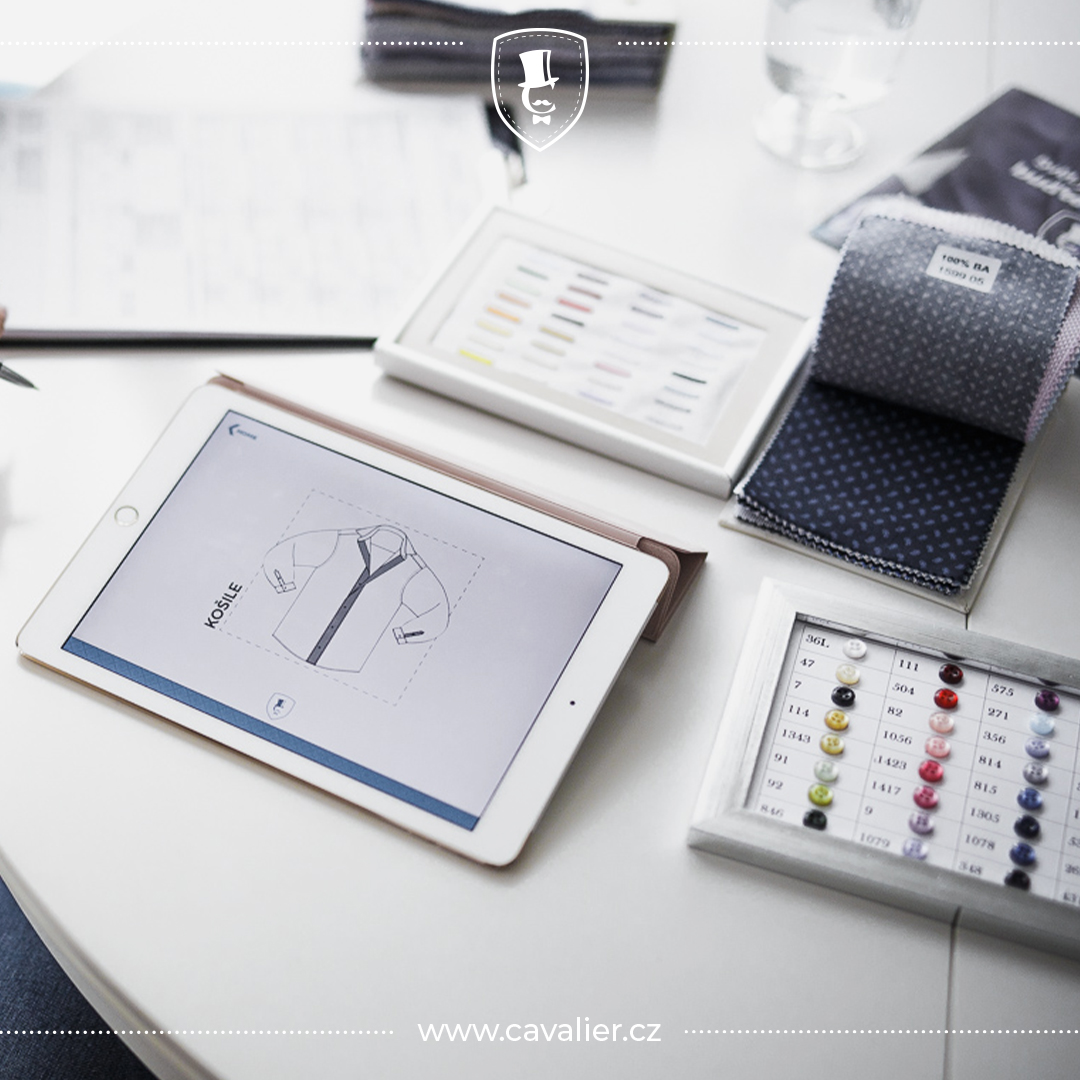
The collar shape should also suit the size of your tie knot. In general, a wider knot calls for a more open collar. Unless you wear a button-down collar, we recommend collar stays (available on request in our showroom) to help the collar keep a crisp shape. A Windsor, or spread, collar opens widely — around 10–15 cm between its points — and is often worn on dress shirts. A narrower Kent collar works with a smaller tie knot. Most collars have pointed ends, but rounded club collars are another option.
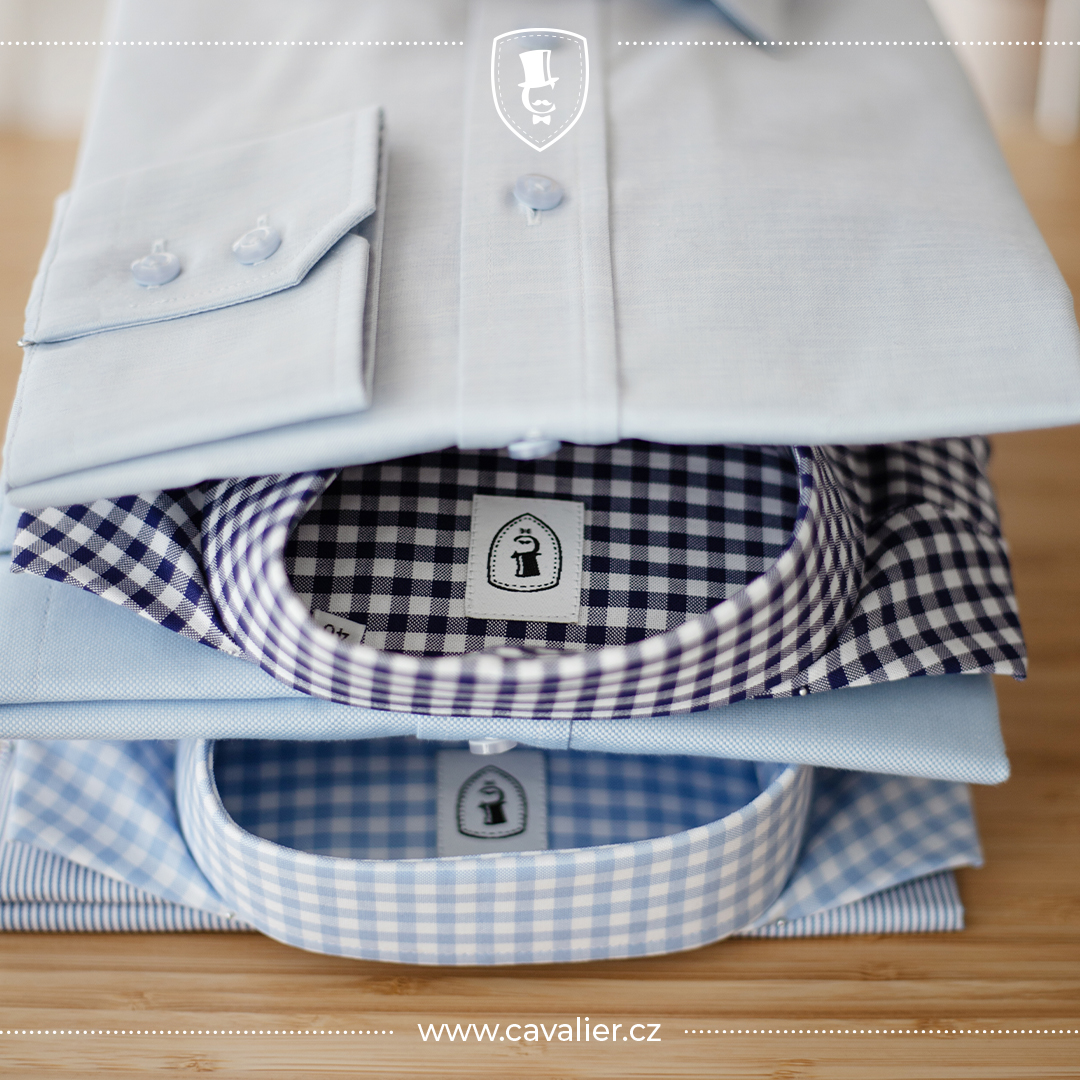
A contrast collar, such as white with a striped shirt body, is often seen in business dress and traditionally worn with a suitable tie. Double collars have also been fashionable, but we prefer simpler, more restrained styles.
2. Fabrics
As wool is a classic suit fabric, cotton is a natural choice for shirts. Cotton poplin is widely used: it breathes, takes colour well and stands up to repeated wear and washing.
3. Colours and patterns
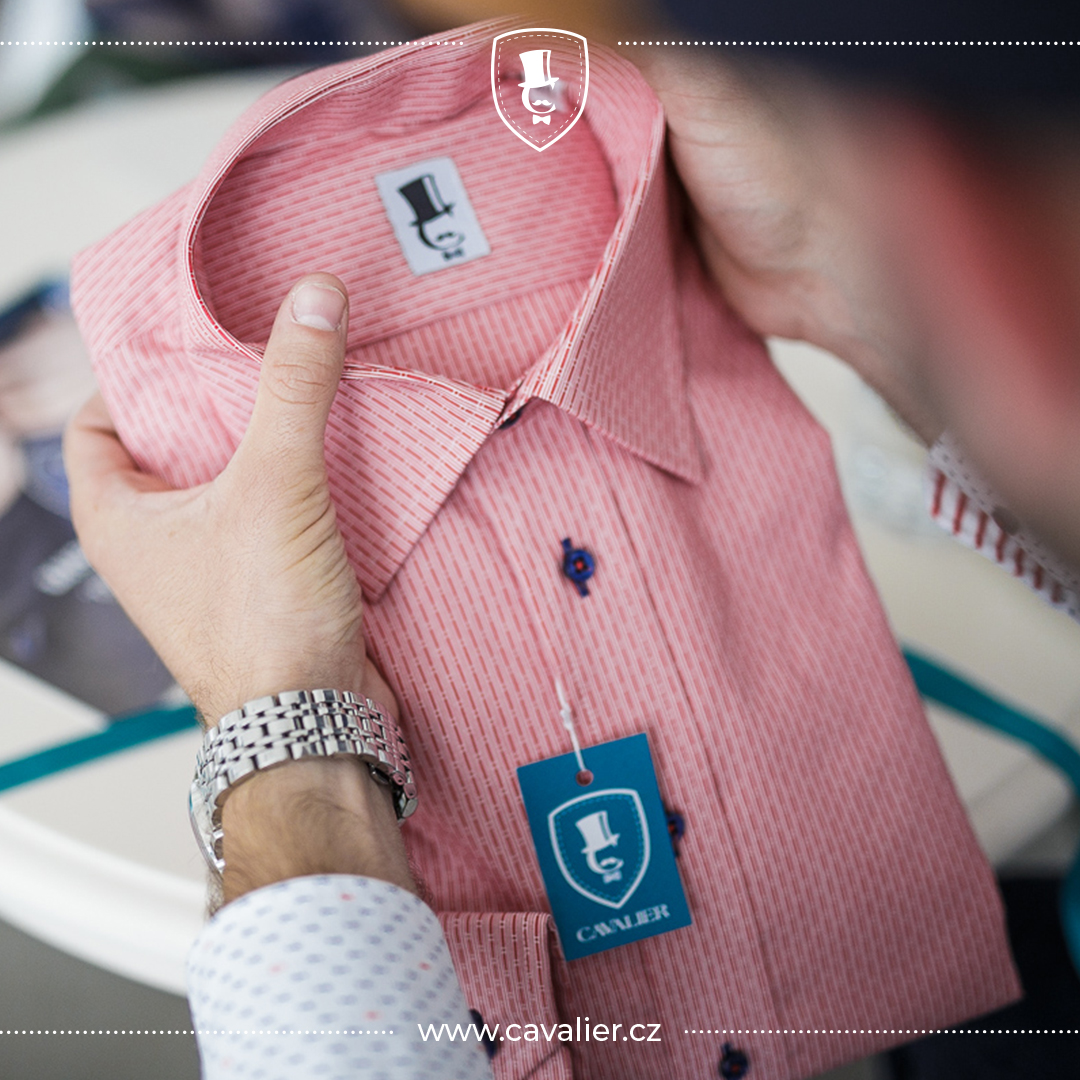
A few well-kept white shirts in different fabric weights are useful in any wardrobe. White works for many occasions, with a suit or with jeans. A plain colour need not be dull: Oxford cloth and twill offer different textures. If you are buying your first versatile shirts, white is a practical place to start.
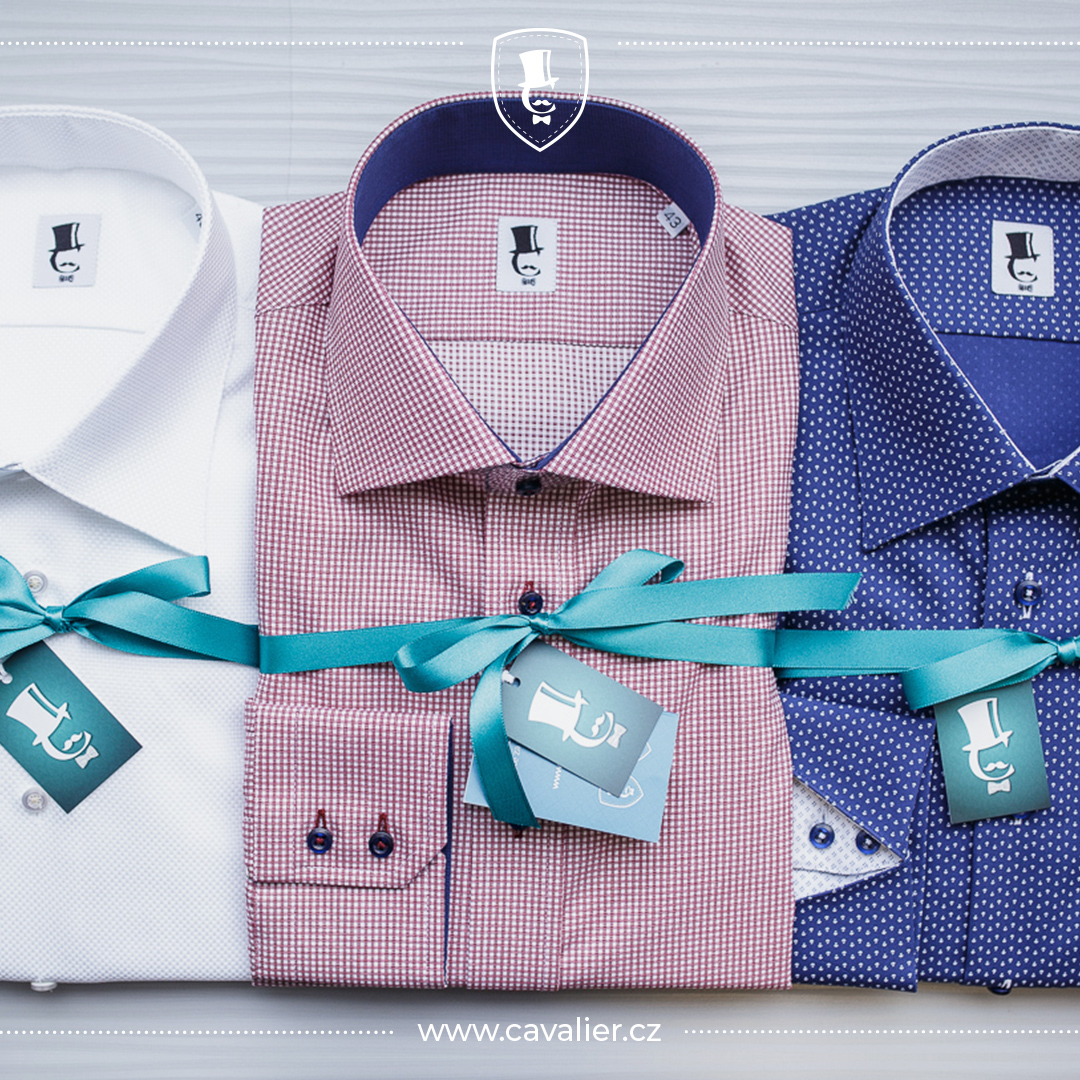
Other colours can work too, but consider your skin tone and the light in which you will wear them. Our style consultant can help with colour choices. Lighter shades often work well by day, while darker ones can suit evening wear. Subtle stripes and checks also have a place in a work wardrobe.
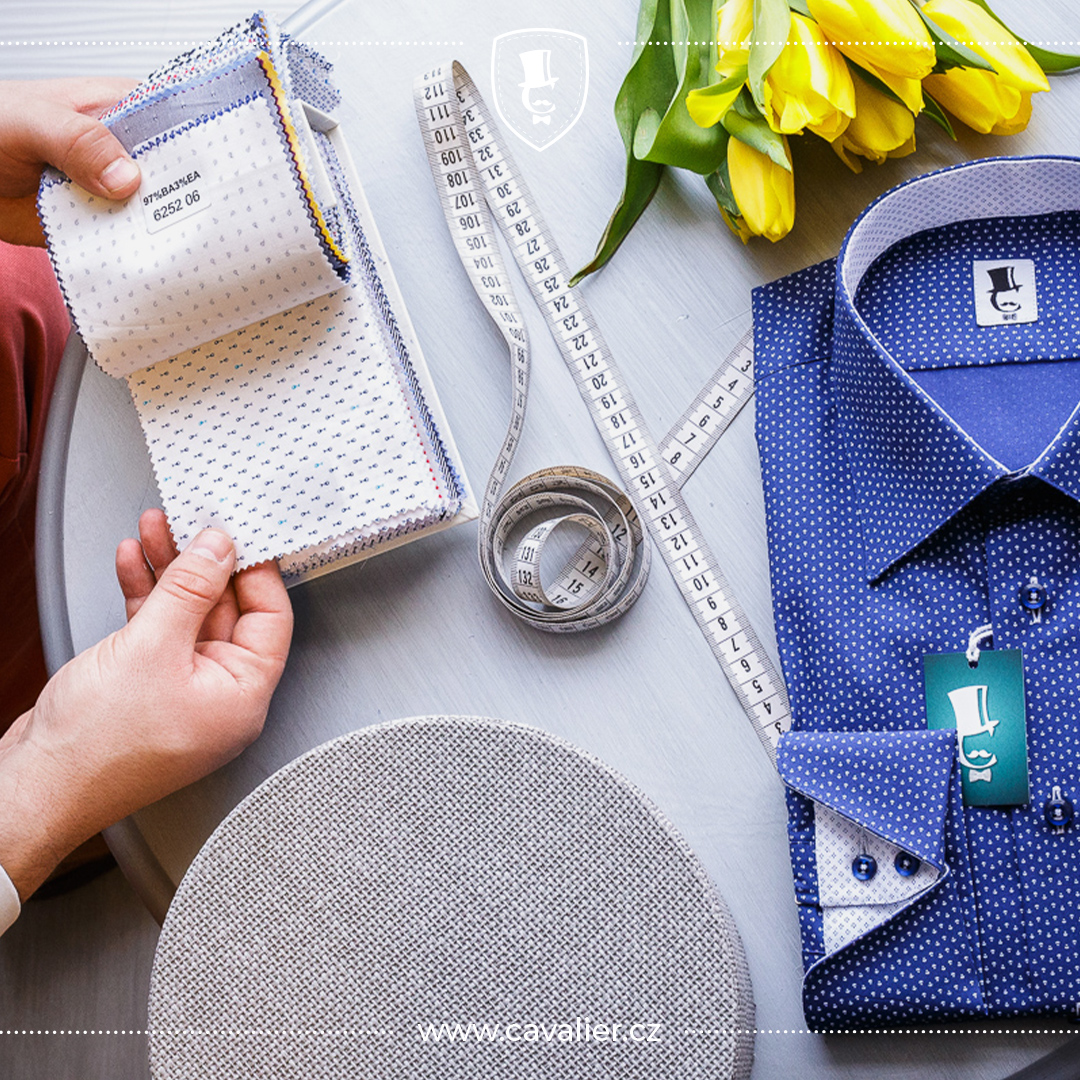
There is also a middle ground between a plain and patterned shirt: use a solid fabric for the body and a contrasting pattern on selected details. We often design shirts that work for both office and leisure. With a tie and the collar fastened, the contrast remains discreet; open the collar or roll up the sleeves and it gives the shirt a more relaxed feel.
Cavalier