
Seven Common Wedding Suit Mistakes
What you will learn
Choosing a wedding suit involves more than picking a colour. This guide covers seven common mistakes: poor fit, an outfit that does not suit the occasion, unsuitable fabric, a rushed shirt or shoe choice, too many accessories and leaving the decision too late. It explains what to check so your outfit works with the venue, season and plans for the day. A useful guiding idea is that less is more, so start considering your suit around two months before the wedding.

Choosing a wedding suit is an important decision for many grooms. Rushing the choice can mean overlooking fit, fabric or how the outfit works with the rest of the wedding. Even an expensive suit may feel wrong if those details are missed.
Here are the seven common mistakes and ways to avoid them.
1. A suit that does not fit
One of the most visible issues is poor fit.
A ready-to-wear suit may be close to your size but still need attention in several places:
- shoulders that are too wide or narrow
- a jacket that is too long or short
- sleeves that are too long
- trousers that pull or bunch around the thighs or seat
These details can show in photographs. A made-to-measure wedding suit is one way to adjust the fit to your proportions. Check the whole silhouette, not just the size on the label.

2. A style that does not suit the occasion
Trying to stand out can draw attention away from what matters to you on the day.
Potential distractions include:
- very bold patterns
- highly shiny fabrics
- striking colours
- strong contrasts
A bold suit may be exactly right for your wedding; it depends on your taste and the setting. If you want a more understated look, choose a style that feels timeless and will still appeal to you when you look back at the photographs. A made-to-measure suit can be designed around either approach.
3. Fabric that does not suit the season
The fabric of a wedding suit matters for both appearance and comfort.
Consider issues such as:
- creased fabric
- feeling too warm
- a finish that does not suit the occasion
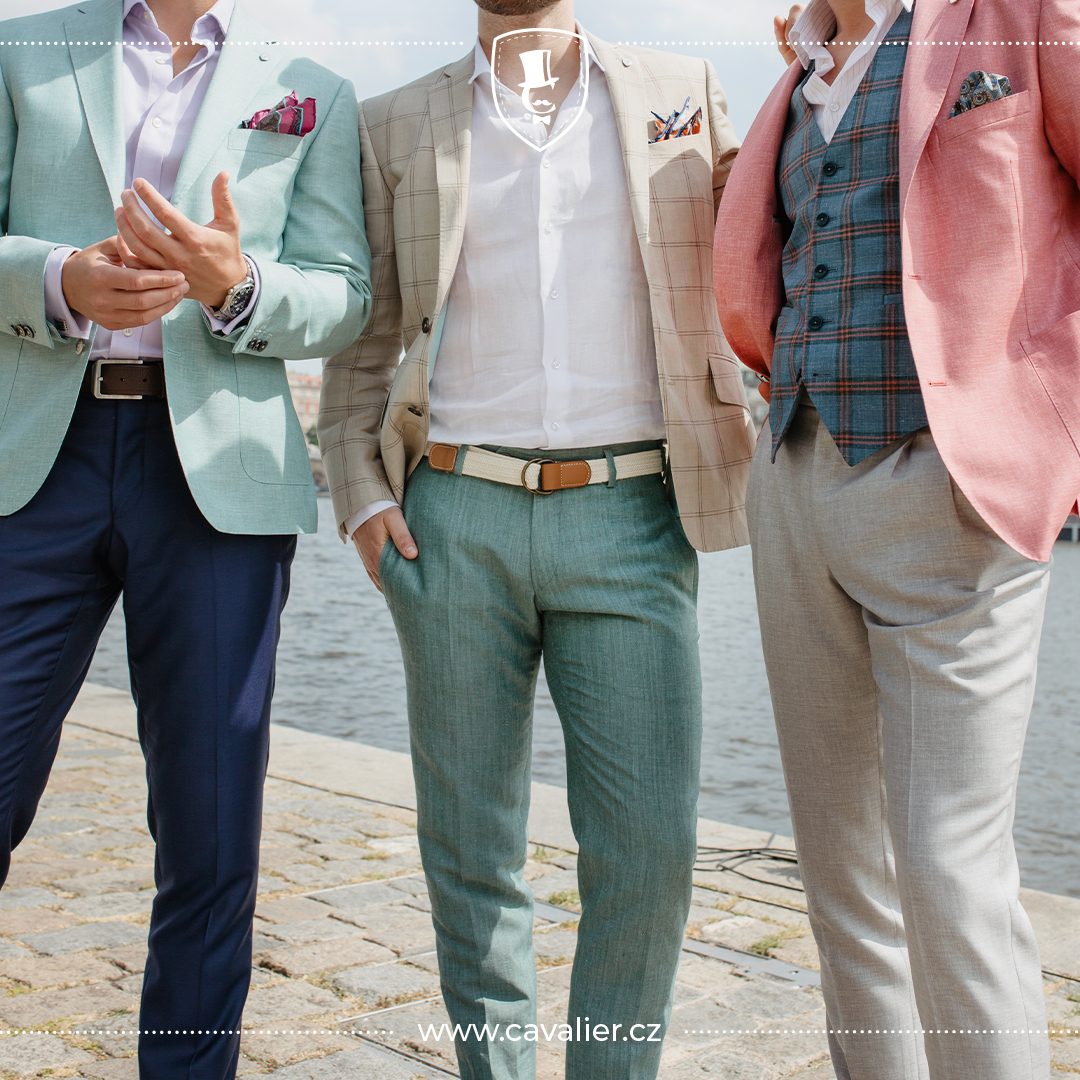
For a summer wedding, you may prefer a lighter fabric. For a winter event, a heavier wool may be more suitable. A made-to-measure suit lets you discuss fabric options in light of the season and venue.
4. A shirt chosen too late
A shirt is part of the overall look and deserves attention early in the process. Common issues include:
- sleeves that are too long or short
- a collar that does not sit well
- fabric that does not feel right
- a colour that clashes with the outfit
Choose a shirt that fits, feels comfortable and works with the suit and wedding palette. If you are coordinating with your partner, consider how the colours look together, including the shirt alongside the wedding dress if that matters to you both.

5. Shoes left as an afterthought
Shoes can affect the look and comfort of the whole outfit.
Check for:
- worn-out shoes
- footwear that is too casual for the dress code
- a colour that does not work with the suit
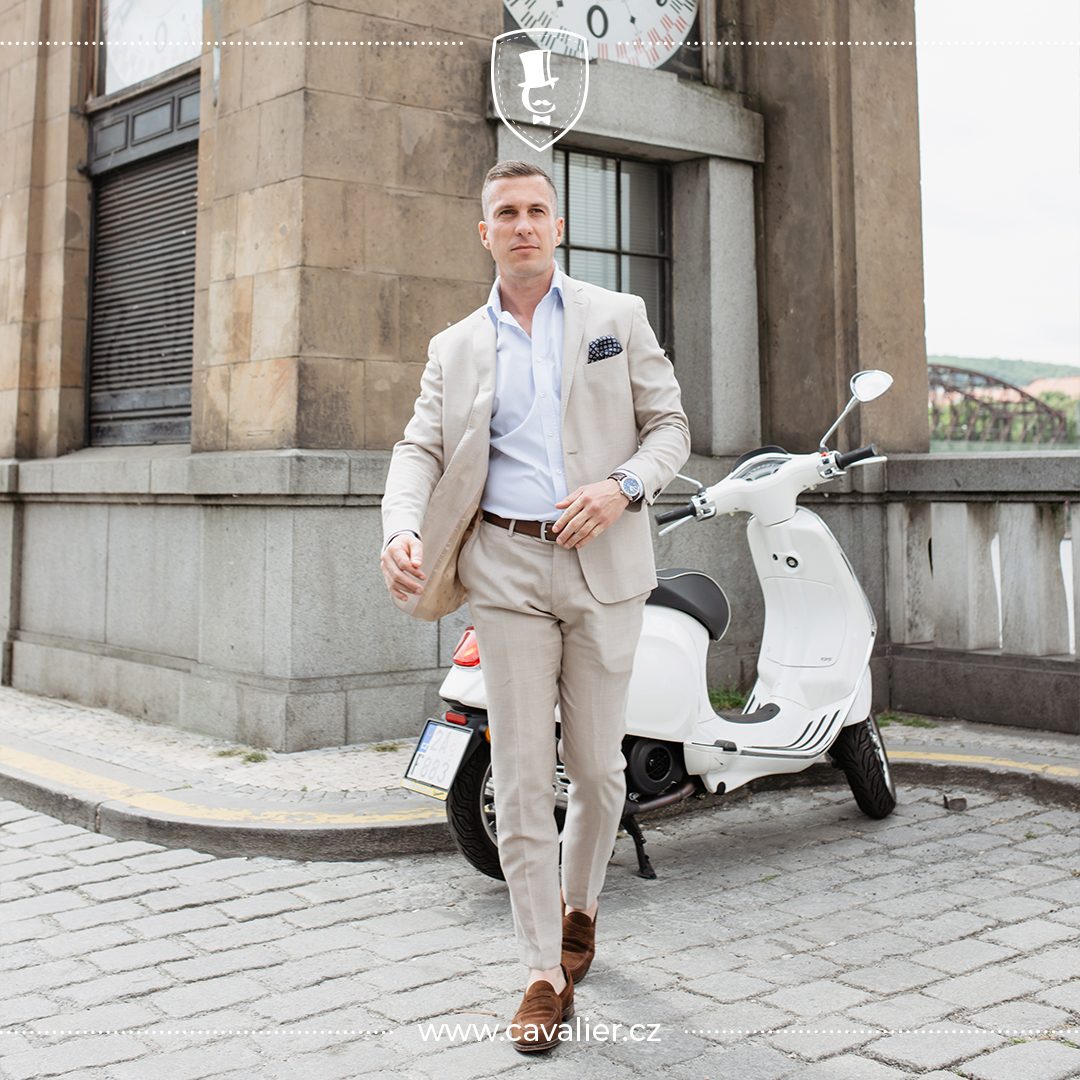
With an elegant wedding suit , classic leather lace-ups often work well. Loafers may suit a summer or less formal wedding if they fit the rest of the outfit.

6. Too many accessories
Adding too many statement pieces can make the outfit feel busy.
Examples include:
- a very bold tie
- several competing accent colours
- an oversized pocket square
- prominent cufflinks
The saying less is more can help: one or two carefully chosen accessories give the outfit a clearer focus.

7. Choosing the suit at the last minute
Another common problem is starting too late and having less time to compare fabrics, cuts and alterations. Start choosing your wedding suit about two months ahead to leave time to pick a fabric and discuss the design. For a made-to-measure suit , also allow time for production and fittings.
For more on the budget, see our guide to the cost of a made-to-measure suit and what affects it.
How to avoid these mistakes
A suitable wedding suit is about more than price. Consider:
- the fit
- the fabric
- the shirt
- the shoes
- the accessories
The pieces should feel coherent together. A made-to-measure suit gives you scope to choose details around your proportions, style and the event.
Conclusion
The suit you choose for your wedding should feel right for the day. Paying attention to the fit, fabric, shirt, shoes and accessories can help you avoid common mistakes. A wedding suit works best when the details suit the setting and the person wearing it. A made-to-measure wedding suit is one way to bring those choices together.
For an outline of the process, read about the first suit consultation.
Frequently asked questions
When should a groom start choosing a wedding suit?
This guide suggests starting around two months before the wedding to allow time for fabric selection, design, production and any fittings or adjustments. Confirm the actual schedule for your suit when you book.
Should I avoid bold patterns and shiny fabrics?
That depends on the wedding and your taste. Strong patterns or highly shiny fabrics can draw the eye and may feel less timeless in photographs. If you prefer a quieter look, consider an understated fabric and colour instead.
How should I choose a tie, pocket square or cufflinks?
A useful starting point is less is more. Choose one or two pieces you want to highlight and check that their colours and patterns work with the suit and shirt.
What colour shoes go with a wedding suit?
Black or brown leather lace-ups can work with many navy or grey suits. A black tuxedo calls for black formal shoes. Whatever the choice, check the dress code and make sure the shoes are in good condition.
Article author: Petr Soler
Founder of Cavalier