
How to Choose a Wedding Suit You Can Wear Again
What you will learn
A wedding suit can be chosen with later occasions in mind. We look at versatile colours and fabrics, the role of wedding-day accessories, and when a jacket or waistcoat may work as a separate piece. The wedding’s dress code still comes first.

A wedding is an important occasion, but many grooms also ask a practical question:
“Will I wear this suit again?”
A thoughtfully chosen wedding suit can work beyond the ceremony. The aim is to find a made-to-measure suit that suits the wedding and the other occasions you have in mind.
Start with the wedding dress code
A highly distinctive wedding outfit may be less useful later, depending on your wardrobe.
Consider details such as:
- a very pale or bold colour
- a shiny finish
- a conspicuous pattern
- highly formal accessories
These can be right for a particular celebration. If you also want everyday use, consider whether the suit will work with your existing wardrobe.
For a guide to the cost, read what affects the price of a made-to-measure suit.

Versatile wedding suit colours
Colour is one part of how a suit can be worn later.
A navy suit
Navy is a flexible option for many wardrobes. A navy wedding suit can look celebratory with the right details and may also suit other occasions.
After the wedding, you could wear it for:
- work meetings
- social events
- other weddings, if their dress code allows
- some evening events
A grey suit
Mid-grey can also be versatile. Its suitability depends on the fabric, cut and formality of the event.
It may work as a business suit or for other social occasions.

Choose fabric for how you will wear it
If you want a wedding suit again, consider the fabric alongside the season and likely use.
Wool is one option. Depending on the weave and finish, it may:
- hold its shape
- recover from some creasing
- feel comfortable for the wearer
- give a formal appearance
A midweight fabric in the region of 260–300 g/m² is one possible starting point, but the right weight depends on climate, weave, lining and how you wear the suit.
For a made-to-measure suit you may also discuss blends such as:
- wool with mohair
- wool with silk
Their handle and appearance vary with the precise fabric, so compare actual samples.

Accessories give the outfit its wedding-day character
The suit itself is only part of a wedding outfit. You can use accessories.
A groom might add:
- a waistcoat
- a tie or bow tie suited to the dress code
- a pocket square
- a boutonnière
These can distinguish the groom’s outfit while working with the couple’s plans.
Afterwards, a different tie or pocket square, or leaving off the waistcoat, can make the same suit suitable for a more restrained business look.
Wearing pieces separately
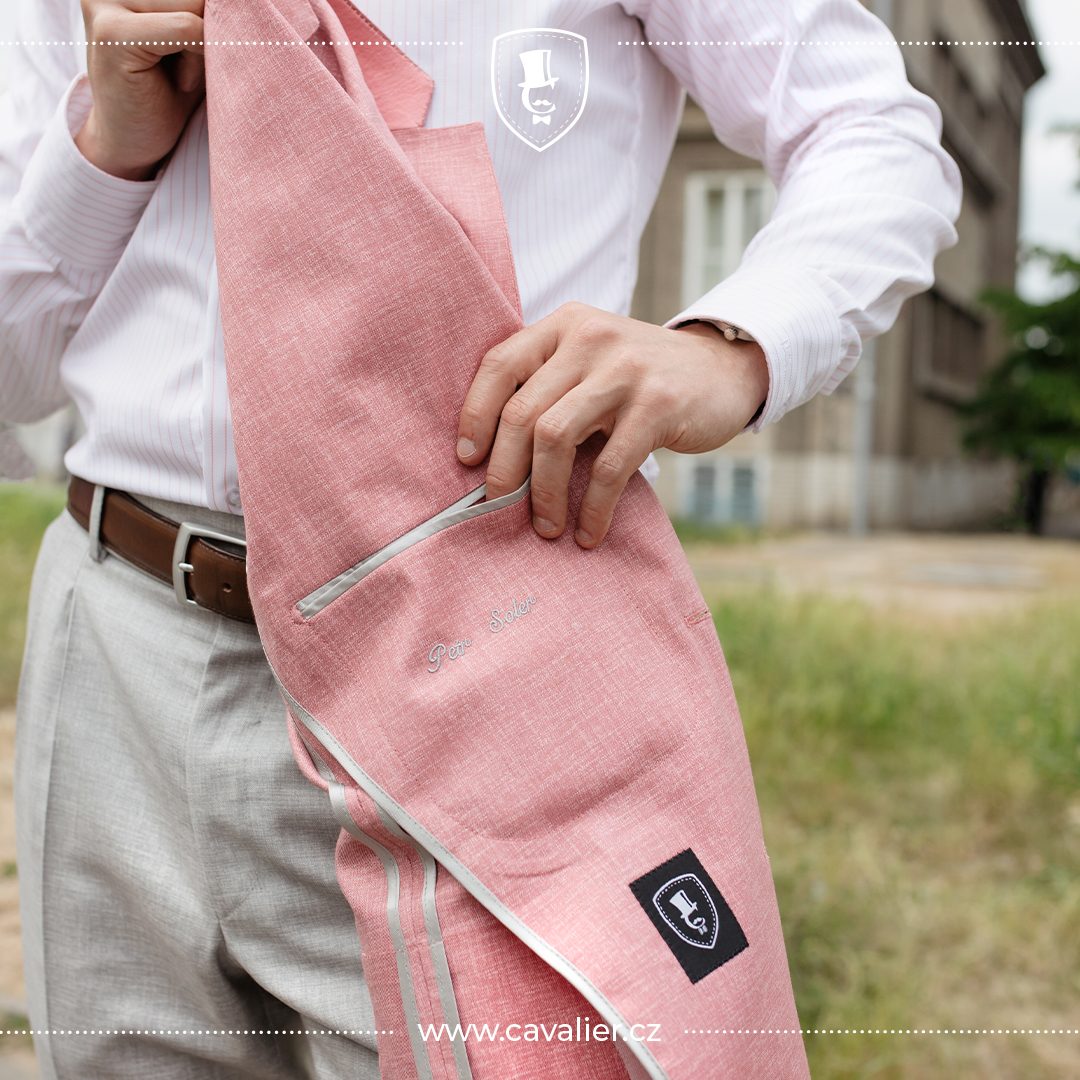
One possible advantage of a made-to-measure suit is planning the pieces for later outfits. Whether they work separately depends on fabric, cut and your other clothes; it is not unique to made-to-measure.
The jacket
A wedding suit jacket can sometimes be worn separately with chinos or jeans. It helps if the jacket has:
- a relatively matte finish
- a fabric with some visible texture
- and a cut that works with less formal trousers
A very smooth, formal suit jacket may look out of place with jeans. Try the combination rather than assuming every jacket can be dressed down.
When planning a made-to-measure suit, discuss possible later combinations and compare fabrics. A jacket with a suitable texture might work with:
- chinos
- jeans
- light summer trousers
The result can be smart without looking as formal as the full suit.

The waistcoat
A wedding waistcoat may also work in other outfits if its fabric and cut are suitable. You could try it:
- with a shirt, without the jacket
- under another jacket
- with different trousers
This will usually feel less formal than the full suit. If you order a made-to-measure suit , discuss how you would like to wear its waistcoat later.
Choose a cut you will still enjoy wearing
If you want a wedding suit for later use, consider a cut that fits your preferences rather than a fleeting trend. Options include:
- a natural silhouette
- lapels in proportion to the jacket
- a two-button fastening
- balanced overall proportions
A made-to-measure suit chosen this way may be easier to wear for different occasions.
A wedding suit in your wardrobe
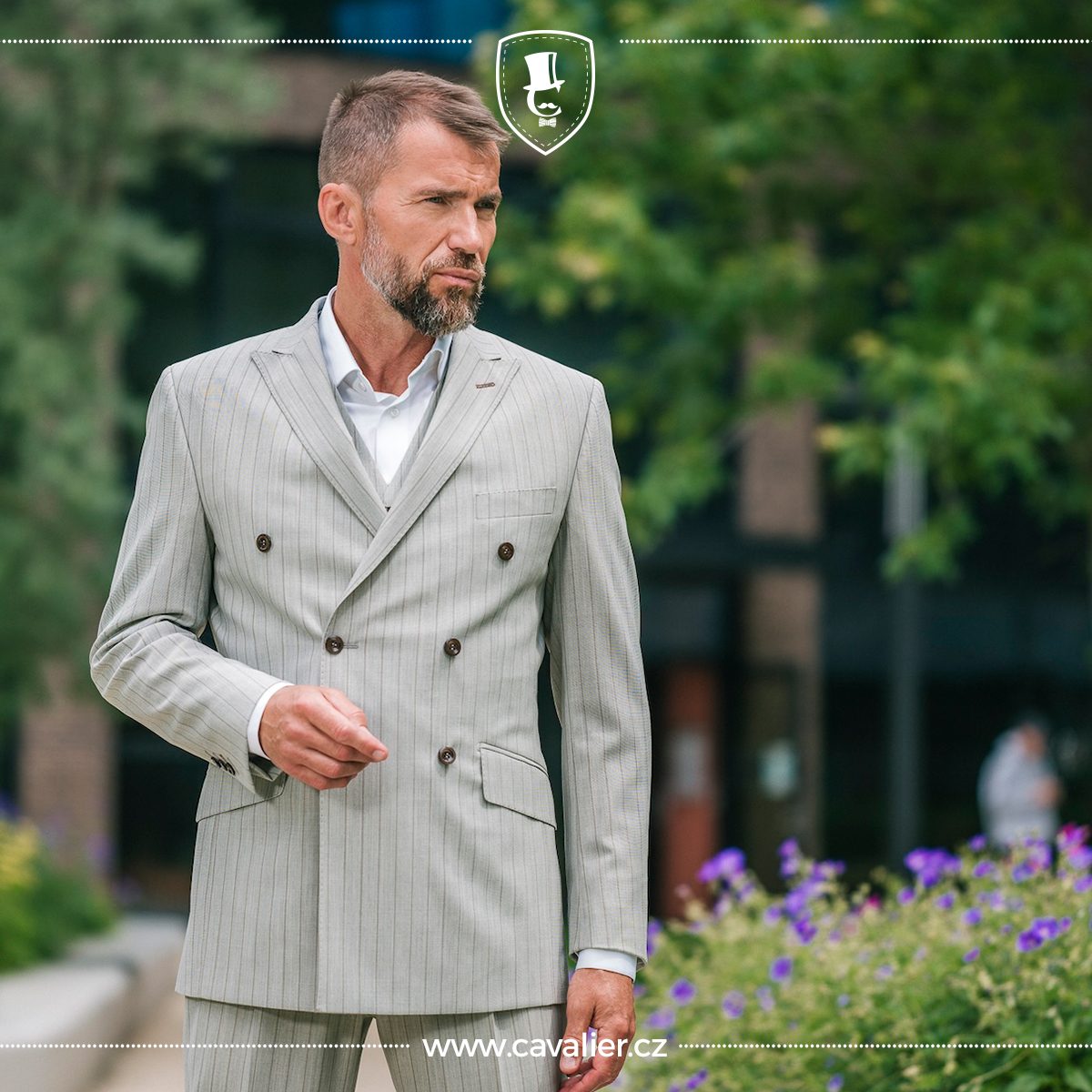
A made-to-measure wedding suit can be more than a one-day outfit if it suits the rest of your wardrobe.
Think about where you would wear it again, from meetings to social events, before choosing the details.
Consider:
- versatile colour
- a fabric suited to your use
- a cut you like
- accessories for the wedding day
In conclusion
A wedding suit can serve other occasions. Choose around your dress code and the future outfits you actually expect to wear. A made-to-measure wedding suit is one way to select the cut and details with those uses in mind.
Frequently asked questions
How can I choose a wedding suit to wear again?
Start with a versatile colour such as navy or mid-grey if it suits the wedding. Compare matte or lightly textured fabrics and a cut you would wear elsewhere. Accessories can add a more celebratory feel on the day.
Can I wear my wedding suit jacket with jeans or chinos?
Sometimes. A matte, subtly textured fabric often works more easily with informal trousers than a very smooth, shiny formal suiting. Check the actual jacket and combination.
Should I avoid shiny or bright wedding suits?
Not automatically. If a distinctive colour or finish suits your wedding, choose it. If you mainly want a suit for work or other occasions afterwards, consider whether that finish will fit those settings.
How can one suit feel festive at a wedding and restrained later?
For the wedding, consider a waistcoat, tie or bow tie, pocket square and boutonnière as the dress code allows. Later, change or remove those details and pair the suit with a suitable shirt and shoes.
Article by Petr Soler
Founder of Cavalier