
Which Fabric Should You Choose for a Made-to-Measure Suit?
What you will learn
Fabric affects how a suit looks and feels. This guide compares wool, cashmere, mohair and linen, with an emphasis on when you plan to wear the suit. We look at wool fabrics labelled Super 110s to 130s, the softness of cashmere, the crisp appearance of mohair blends and the relaxed look of linen. The best choice depends on the specific cloth, its weight and weave, and your preferences.

Fabric is one of the main choices when ordering a made-to-measure suit. It influences the way the suit feels, drapes and wears. Think about the season, how often you will wear it and the look you want.
For an outline of the process, read about the first suit consultation.
Wool is a common choice for suiting. It can manage moisture and hold its shape, but the result also depends on the cloth’s weight, weave and finish. Super 110s to 130s labels describe fibre fineness rather than a guaranteed level of durability. Tell your tailor whether the suit is for regular work, travel or occasional events so you can compare suitable fabrics.

Cashmere has a particularly soft feel and can give a suit a different finish from ordinary wool. A pure cashmere suit may need more careful handling, so wool and cashmere blends are another option. Compare the feel and practical properties of the actual cloth before choosing.
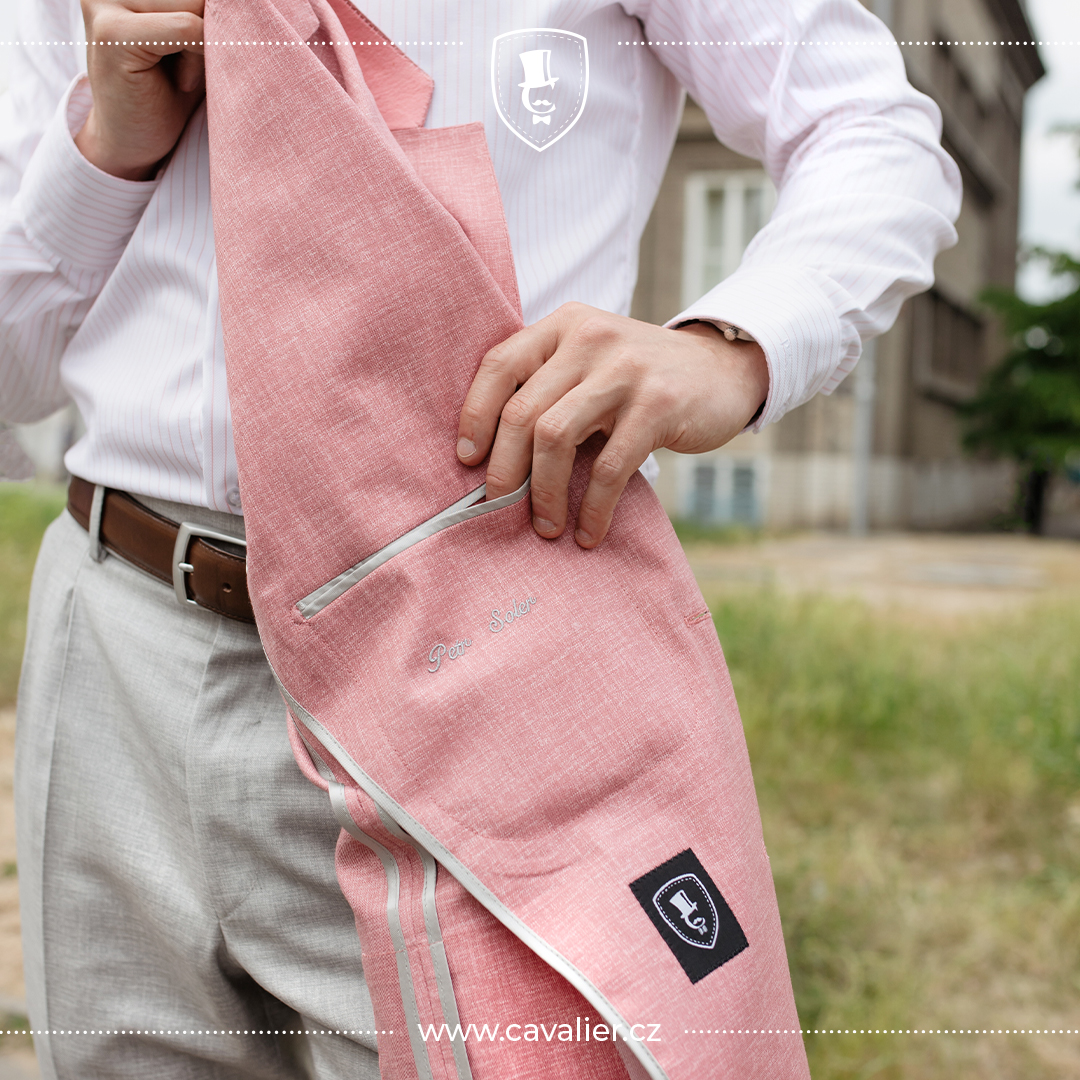
Mohair can add a subtle sheen and a crisp look to suit fabric. It is often used in blends for more formal or business suits. The way a suit retains its shape depends on the full fabric construction, so ask to compare samples rather than relying on the fibre name alone.
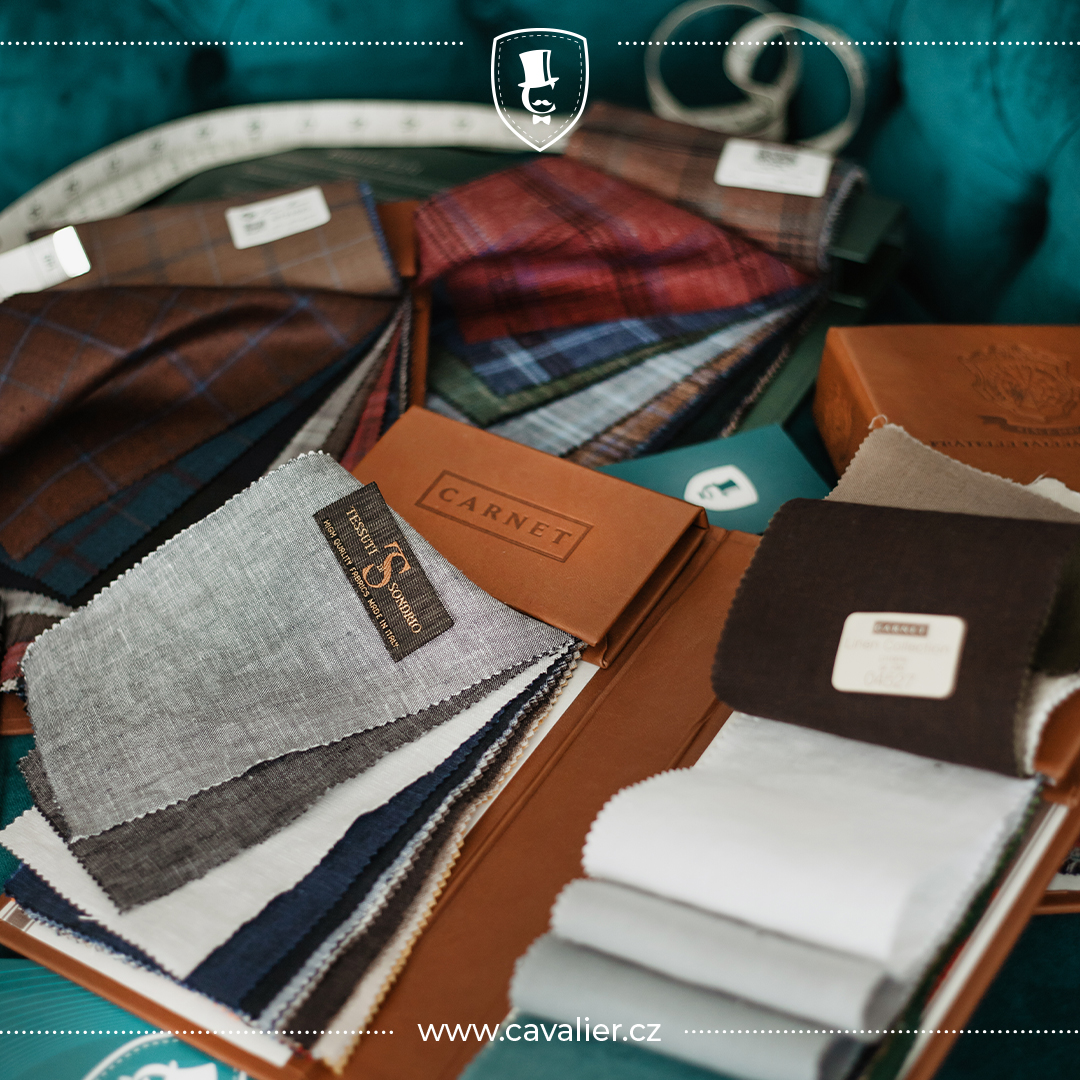
Linen is worth considering for warm weather and less formal occasions. Its natural creasing is part of its relaxed appearance. If you prefer a neater finish, compare linen and wool blends; they offer a different balance of texture and structure. Choose by looking at and feeling the specific fabric.

Start with how often you plan to wear the suit and where. Then compare fabrics in person for weight, texture, drape and the care they need. The right option is the one that fits your use and the look you want.
Frequently asked questions
Why is wool often chosen for made-to-measure suits?
Wool can help manage moisture and retain shape. Cloth labelled Super 110s to Super 130s indicates a range of fibre fineness; how a suit wears and creases also depends on the specific fabric’s weight, weave and finish.
Is a cashmere suit suitable for everyday work?
Pure cashmere is soft and warm, but it may require more careful wear and care than some other suiting fabrics. For regular use, you may want to compare wool and cashmere blends.
What is the appeal of mohair?
Mohair is a fibre from the Angora goat. In a suit blend, it can add a subtle sheen and a crisp look. Ask how the specific cloth feels and wears; the fibre alone does not determine its performance.
How can I get a neater look from a linen suit?
Linen naturally creases, which is part of its summer character. If you prefer a neater finish, compare a linen and wool blend. The result depends on the particular fabric’s weight and weave.
Article author: Petr Soler
Founder of Cavalier