
What to Know Before Buying a Suit
What this article covers
Before ordering a made-to-measure suit, think about where you will wear it, the cut you prefer and your budget. This guide explains the difference between ready-to-wear and made-to-measure, jacket constructions Full Canvas and Half Canvas, options for the cut, lapels, pockets and colour. We also look at wool fineness markings such as Super S and ideas associated with British and Italian tailoring. Your choice ultimately depends on the specific fabric, cut and intended use.

If you are considering a made-to-measure suit, start with the occasions you need it for. A consultation lets you choose the cut, cloth and details to suit your preferences and build. This guide explains the basic terms that will help you decide.
1. Made-to-measure versus ready-to-wear
A ready-to-wear suit is selected from finished sizes and may then be altered. A made-to-measure suit lets you choose the cut, cloth and details around your preferences from the start. The result still depends on the execution, not the manufacturing label alone.

2. How to assess a suit
Look at the cloth, construction, fit, seams and finishing details. Choose wool, linen, silk or blends according to the occasion and care you expect. Neither the fibre name nor any single detail guarantees the quality of the whole suit.
Read how the process works in our guide to the first consultation.
3. Canvas and fused construction
Canvas is an interlining between the jacket’s outer cloth and lining. It helps create the shape. Depending on construction, it covers more or less of the front panel; the exact method varies between makers.
In a fused construction, adhesive bonds some layers. The label alone does not determine how the finished suit will fit or how long it will last. Compare the actual garment and its workmanship.

Three common approaches to constructing the jacket front are:
-
Full Canvas: A canvas interlining runs across the full front of the jacket. It usually takes more work, but comfort and durability also depend on cloth, cut and workmanship.
-
Half Canvas: The canvas interlining is used in the upper front, particularly around the chest. Cavalier uses Half Canvas construction in the suits described here; ask us about the details at your consultation.
-
Fused construction: Adhesive bonds part of the jacket front. This is a different production method and can be more affordable. The quality of the finished jacket depends on its materials and execution; it is wrong to assume every fused suit will be damaged by cleaning.
4. Choosing cut, pattern, lapels and pockets
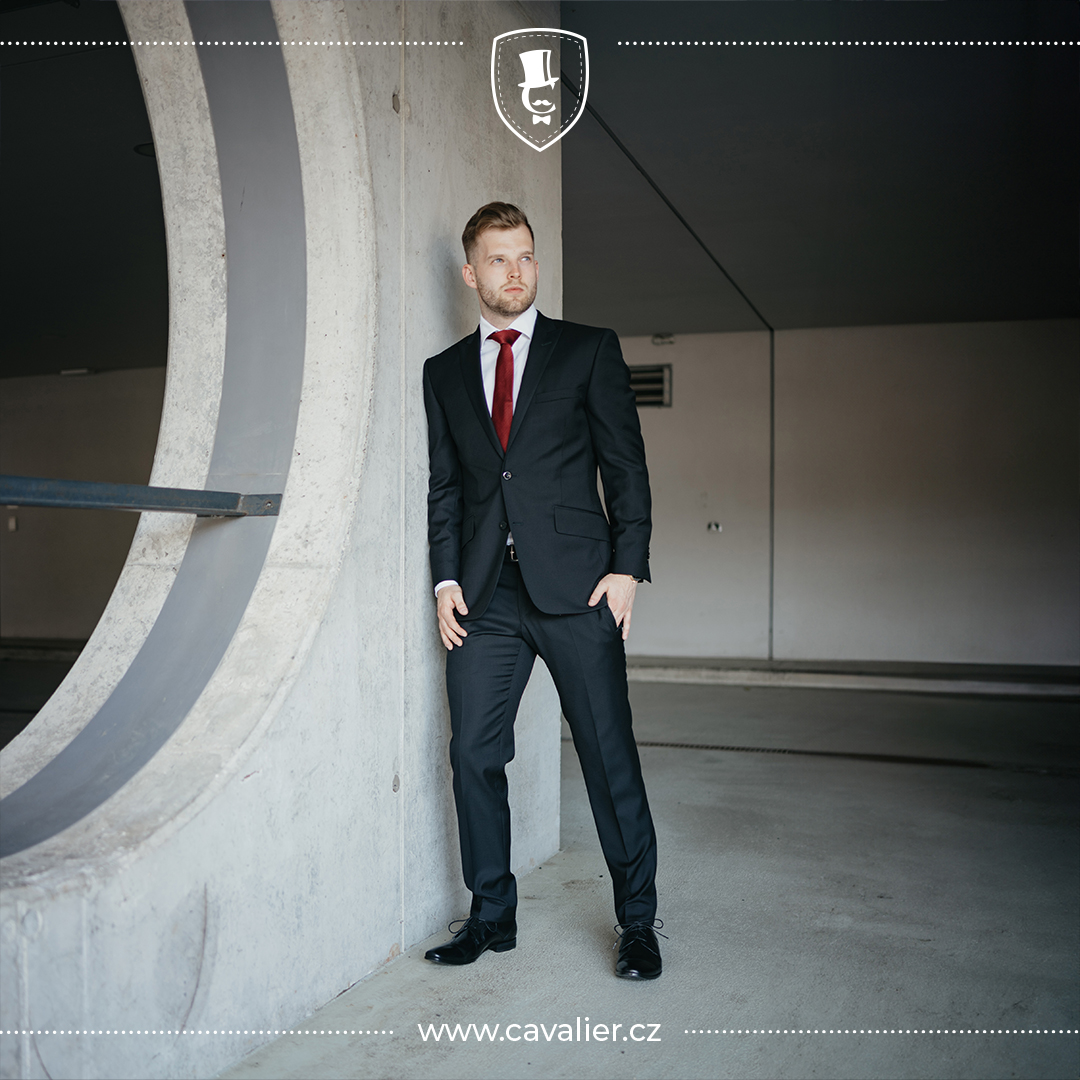
The cut should suit your build, how you move in the suit and the occasion. Colour, pattern, lapels and pockets then shape its character. If you are unsure, compare several combinations during your consultation.
Suit cut
Three common descriptions of fit are:
-
Slim fit: A closer fit emphasises the silhouette. You should still be able to move and sit comfortably in the jacket and trousers. Stretch in the cloth can help, but it cannot replace the right measurements and cut.
-
Regular fit: A classic fit gives more room. It can suit many builds and occasions; what matters is how the particular suit fits.
-
Loose fit: A looser cut gives more room to move and looks more relaxed. Choose it for your personal style and purpose, not solely for a body type.
Suit patterns
Start with a colour and pattern you will use with the rest of your wardrobe. Navy and grey can be versatile; black tends to suit selected formal occasions. Stripes or checks give a suit more character.

Lapel shapes
Three common lapel shapes are:
-
Notch lapel: A common and versatile choice for many single-breasted jackets.
-
Peak lapel: A more distinctive shape, often seen on double-breasted jackets and some eveningwear.
-
Shawl lapel: A smoothly rounded lapel often used on dinner jackets.
Pocket shape and placement
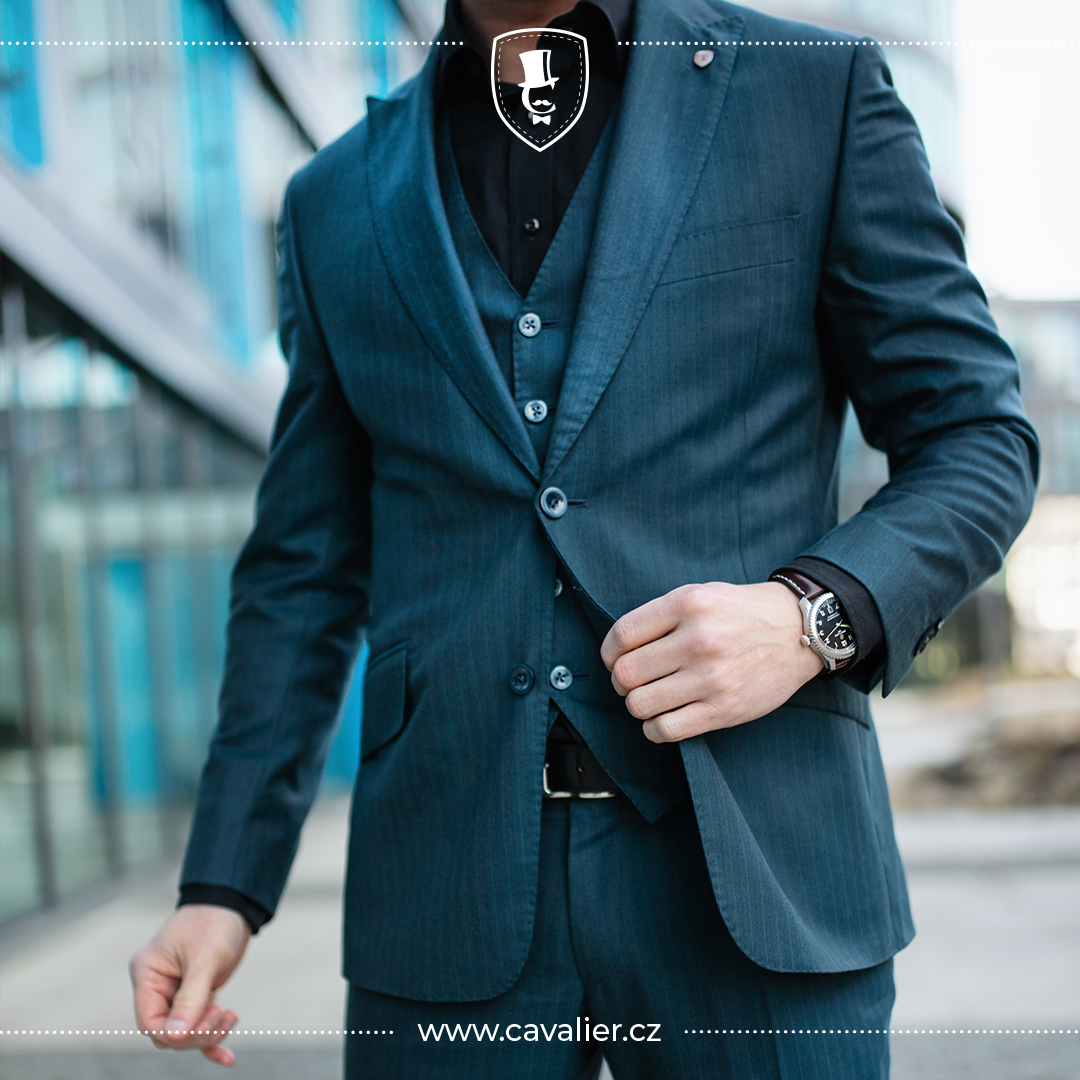
Straight flap pockets are a classic option. Slanted pockets or an additional ticket pocket can change the jacket’s character; choose their placement as part of the overall cut.
5. Single-breasted or double-breasted?
Both styles can work for different occasions. They differ in appearance and fastening; what suits you depends on cut, cloth, dress code and preference.
Single-breasted:
A single-breasted jacket is versatile, from businesswear to formal occasions. If you are unsure, it is a useful starting point to try on, though not automatically the best choice for everyone.

Double-breasted:
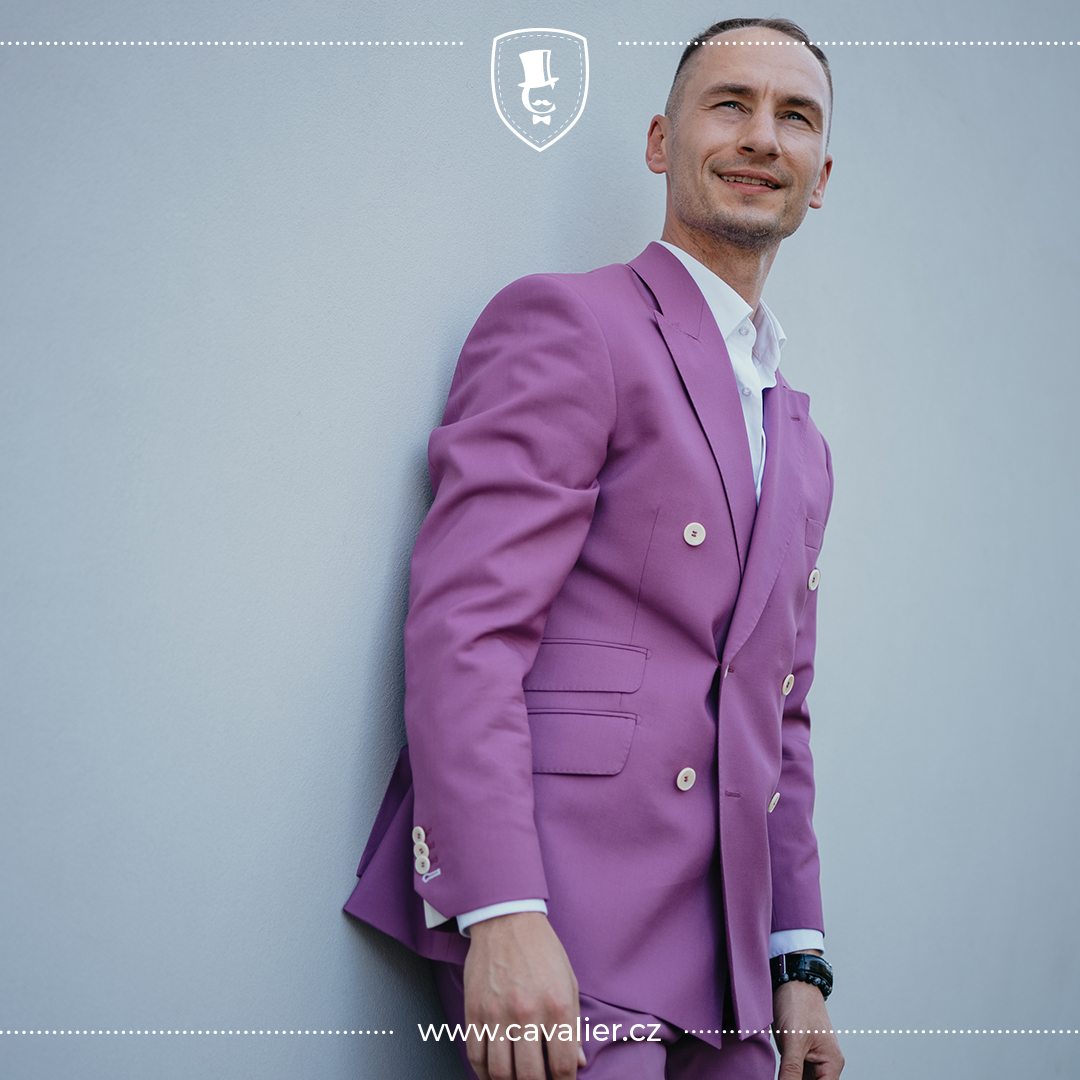
A double-breasted jacket has a distinctive look. Its proportions can be adjusted for different builds; it is not reserved for tall, slim men.
From our blog: 11 common suit style mistakes. What to check in a ready-to-wear suit.
When standing, the appropriate button on a double-breasted jacket is usually kept fastened. When sitting, consider the comfort and cut of the actual jacket.

6. Choosing a suit colour
Choose colour for the occasion, season, wardrobe and dress code. Navy and grey are often easy to combine; beige and cream can feel lighter.
-
Black: A black suit can suit evening and other formal events. It may look too formal for some daytime settings.
-
Grey: Grey comes in many shades. Light grey often feels less formal; darker grey may suit a working wardrobe. Cloth and occasion still matter.
-
Blue: Navy is one of the more versatile suit colours. It can work at the office and for many social occasions if it fits the dress code.
-
Brown: Brown can work for less formal occasions and in an autumn or winter wardrobe, depending on the cloth.
-
Beige or cream: These lighter colours may suit spring or summer events, including outdoor celebrations.
7. What does “Super S” mean for wool?
“Super S” describes wool fibre fineness, not the overall quality of a suit. A higher number means a finer fibre within defined average-diameter limits; it does not guarantee fabric weight, durability or comfort.
For example, Super 180s denotes finer wool fibre than Super 120s. The finished cloth’s feel also depends on yarn, weave and finish.
When comparing wool cloths, also consider:
-
Feel: Finer fibres may contribute to a smoother feel, but the fabric construction matters too.
-
Weight: The Super S number alone does not state fabric weight or how suitable it is for warm weather. Ask about weight and weave as well.
-
Price and use: Very fine wool may be valued for its feel, but a higher number does not automatically make a better everyday suit.
Choose a specific cloth for how often and where you will wear the suit. Compare real samples, weight and care advice during your consultation.
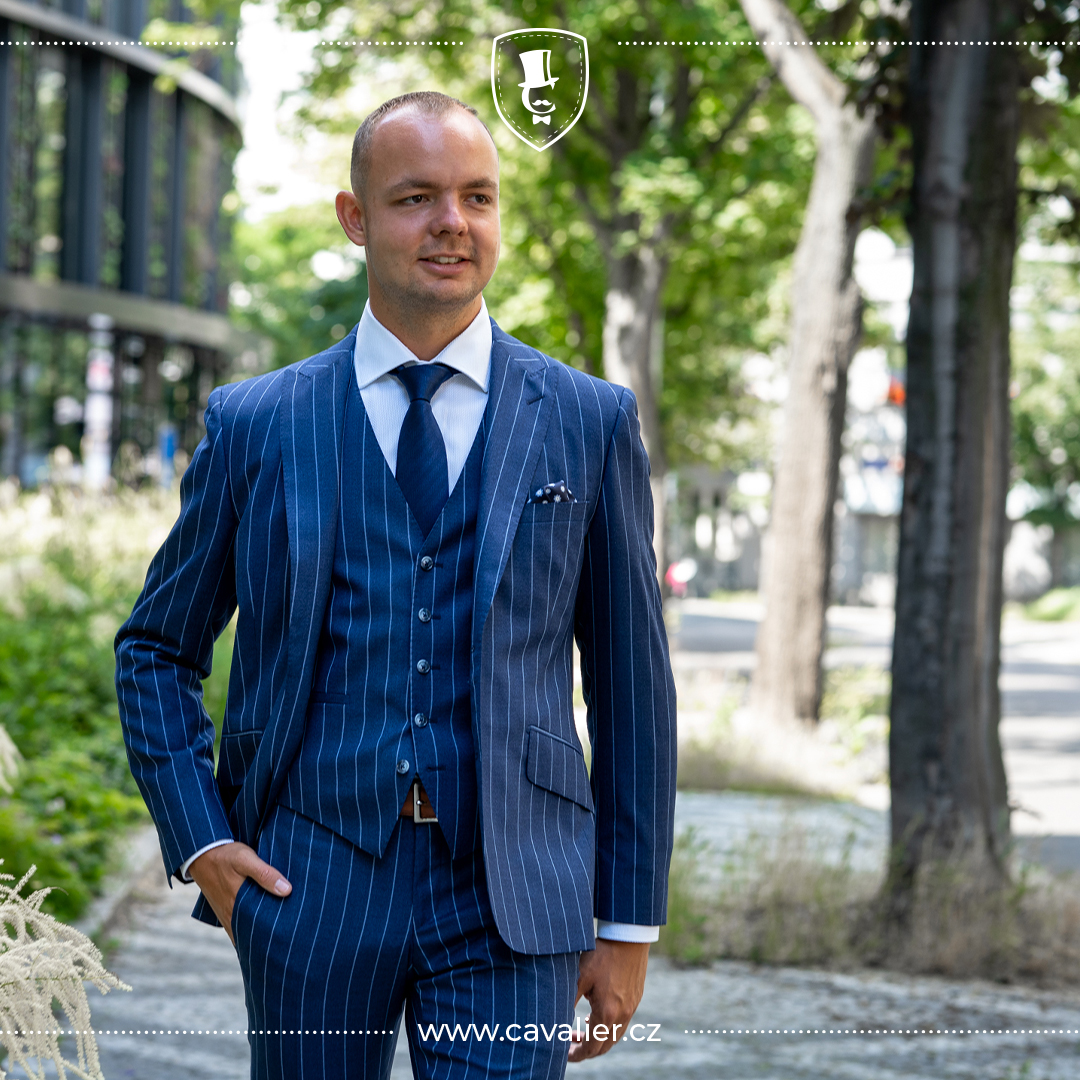
8. British and Italian tailoring influences
British and Italian tailoring are often associated with different aesthetics. They are not fixed rules for every brand or occasion; look at the actual cut, construction and cloth.
British influence: Often associated with more structured shoulders and a formal silhouette, though individual tailors interpret it differently.
Italian influence: Often associated with softer shoulders, a lighter construction and a more relaxed appearance. There is no single cut or cloth shared by all Italian suits.

In conclusion
Thank you for reading. Before ordering a made-to-measure suit, think about its purpose, your budget and details you will enjoy wearing over time. We can help you compare cuts and cloths at a consultation.
Wondering what your made-to-measure suit could look like? Explore the options.
Frequently asked questions
What is the difference between Full Canvas and Half Canvas?
-
Full Canvas uses a canvas interlining across the whole jacket front. It usually requires more work, but the construction alone does not guarantee durability or comfort.
-
Half Canvas uses a canvas interlining in the upper front. Cavalier uses this construction in the suits described here.
What does a wool “Super S” number such as Super 130s or Super 180s mean?
A higher number denotes a finer wool fibre. It does not by itself determine cloth weight, durability or suitability for daily wear. Compare the weave, feel and care advice too. For example, Super 120s and Super 130s are different fineness grades, not a universal recommendation for everyone.
When should I choose notch, peak or shawl lapels?
-
Notch lapel: A versatile and common choice for business and everyday suits.
-
Peak lapel: A more pronounced shape often used on double-breasted jackets and eveningwear.
-
Shawl lapel: A rounded, formal shape often used on dinner jackets.
How do British and Italian tailoring influences differ?
-
British influence: Often has more structured shoulders and a more formal silhouette, but the actual cut varies.
-
Italian influence: Often emphasises a softer construction and a lighter appearance. Cloth, lining and comfort vary from suit to suit.
Article by Petr Soler
Founder of Cavalier