
Eleven Suit Style Mistakes
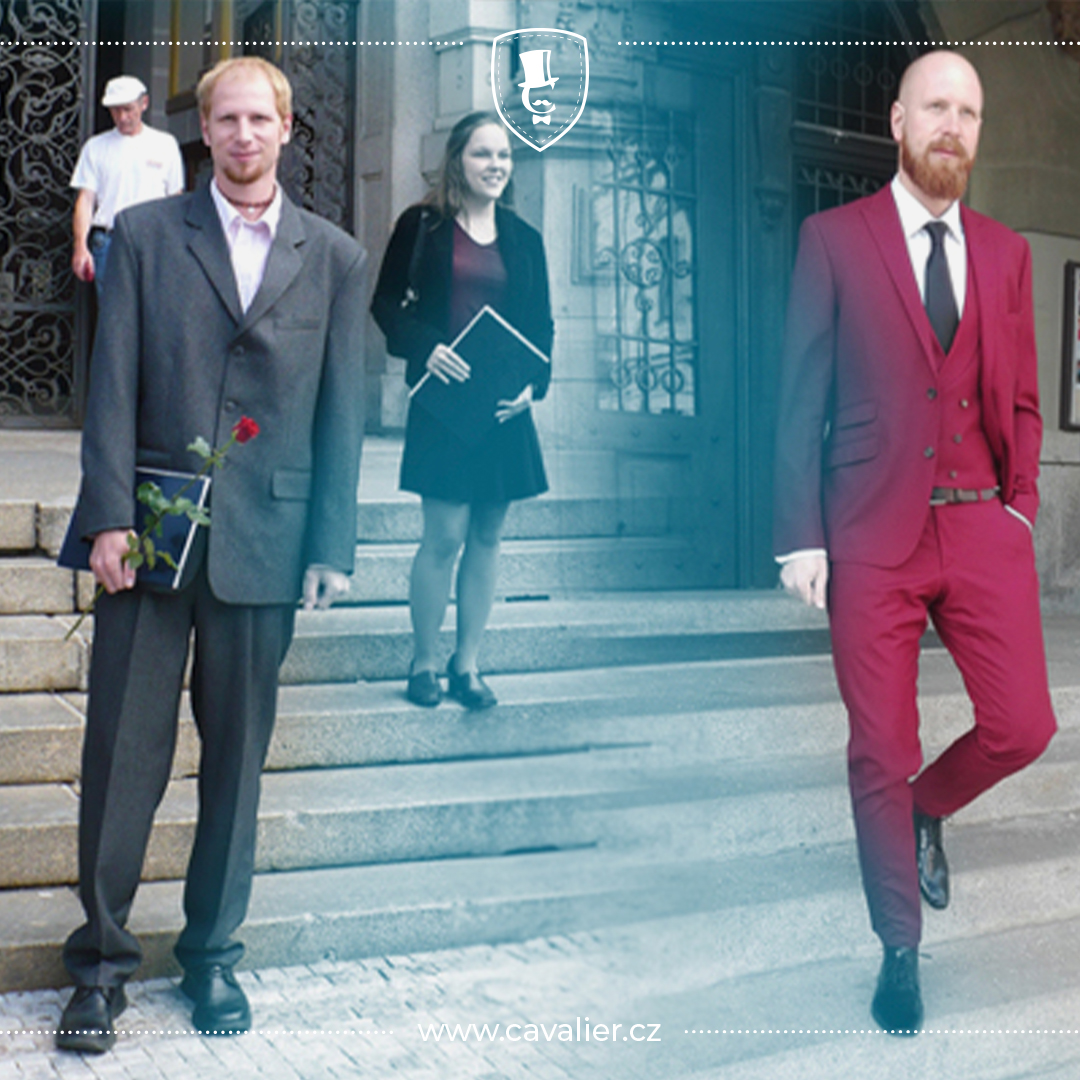
A suit can fit you perfectly. Yet sometimes one looks as though it belonged to a younger brother — or like a sack of potatoes.
A made-to-measure suit may spare you many of these problems. If you have bought one off the rack, watch for the following fit issues. A skilled tailor can fix some; others are harder to put right.
The first part of our shirt series, How to Make Your Shirt Look Its Best is available here.
1. The jacket must fit at the shoulders
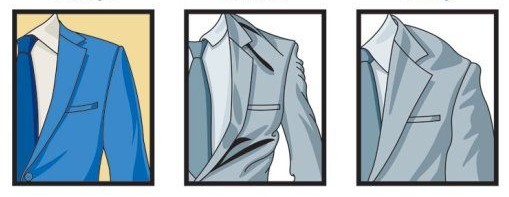
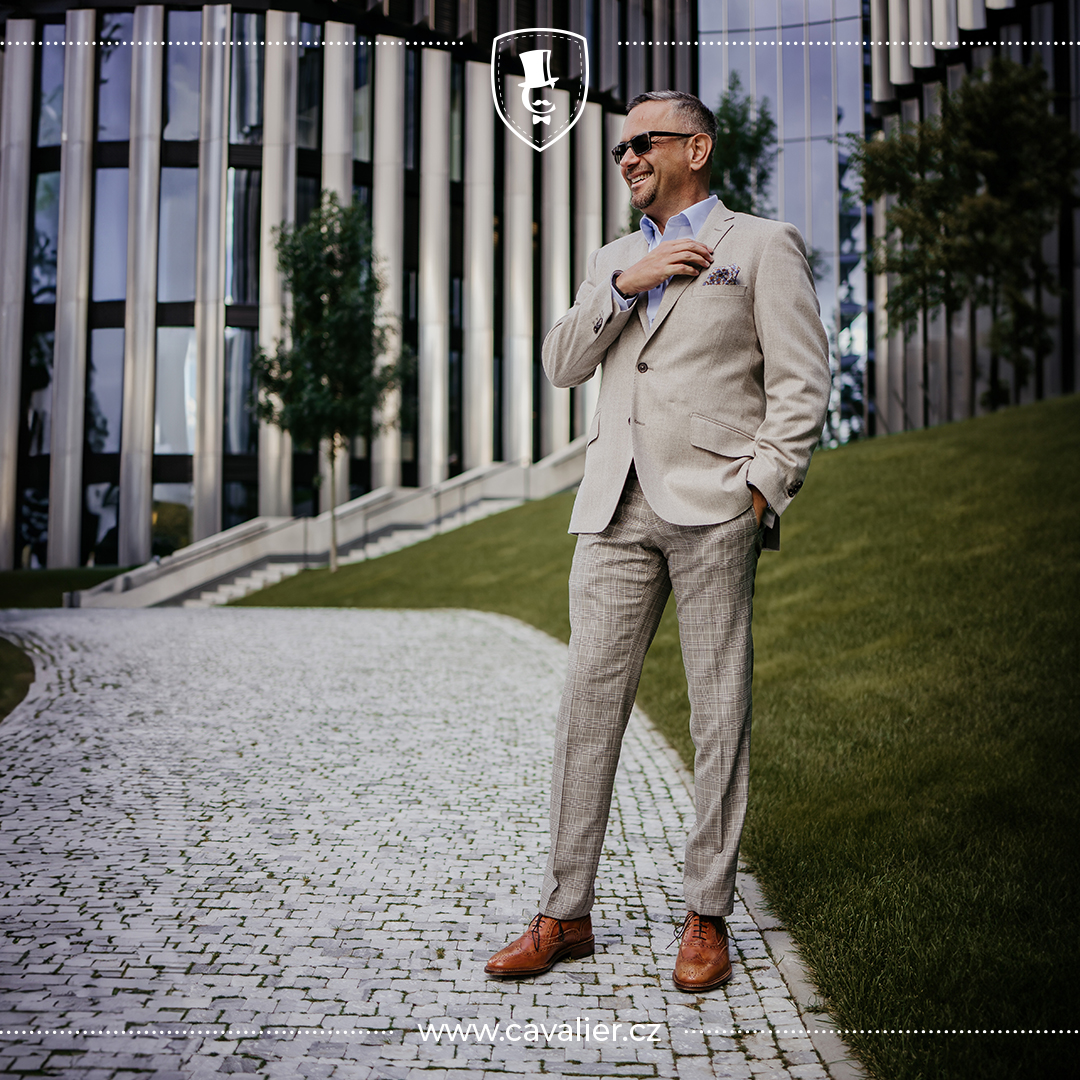
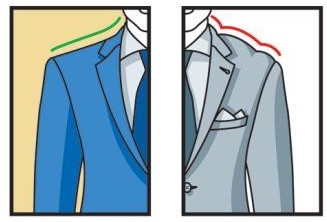
A good jacket starts with the shoulders. Its shoulder pads should neither extend past your natural shoulders nor fall short of them.
Some jackets have poorly set sleeves. They should fall smoothly from the shoulder without folds or fabric pulling.
2. Trousers should be neither too tight nor too loose
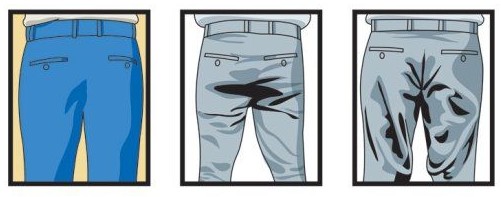
Well-fitting trousers should not dig in at the seat or hang loosely from you.
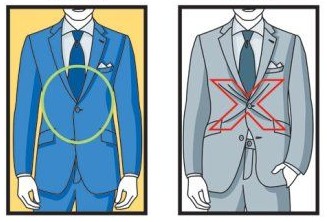
3. Too tight or swimming in fabric
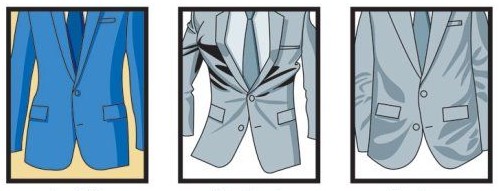
When the jacket is buttoned, the lapels should not bunch up and the button should not pull. A jacket that is too large can make you look boxy.
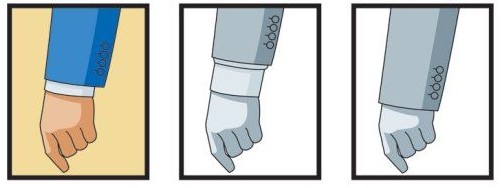
4. Keep your sleeves out of the soup
At least 1.5 cm of shirt cuff should show beneath the jacket sleeve — but do not overdo it.
5. The jacket should cover your seat
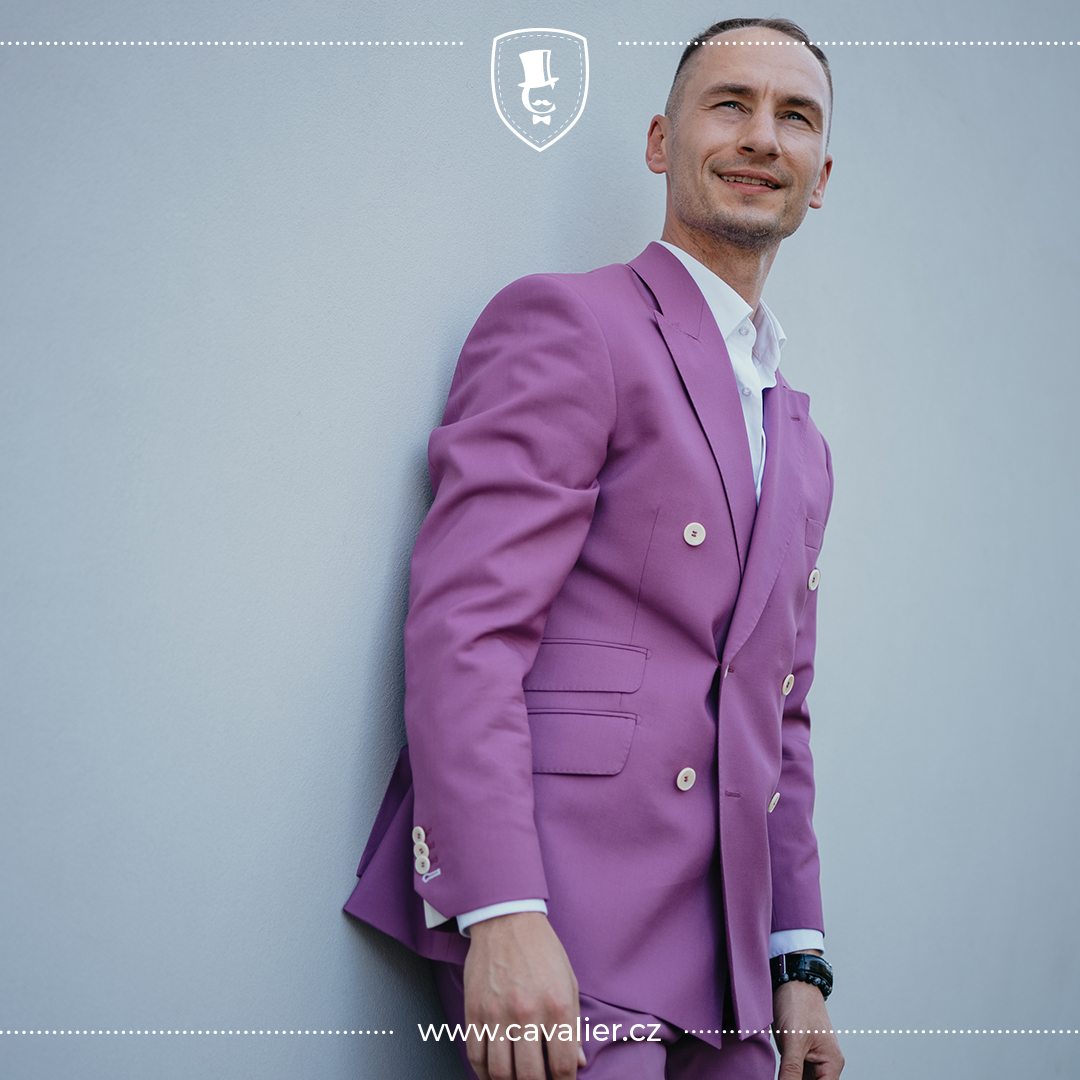
As a rule, a jacket should cover your seat. Shorter cuts may be fashionable at times, but the hem should not leave it exposed.
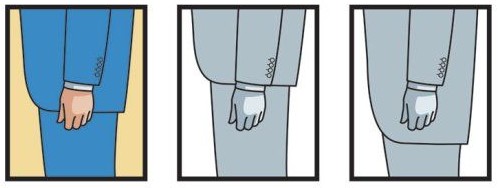
6. Are your trousers ready for a flood?
Václav Havel made many Czech men wary of trousers that look too short. Some now go too far in the other direction, with hems so long they tread on them and risk damage.
With slim suit trousers and colourful socks, a shorter hem can suit the look. Havel's trousers were much wider.


7. The collar should neither bunch nor stand away
The jacket collar should sit close to the neck without a gap. Rounded shoulders or an unusual posture can make this harder to achieve.
Improving posture or trying a different suit brand may help close the gap.

8. Watch the fit around the waist
If you carry extra weight around the waist, your proportions may call for an individual approach from a tailor and a made-to-measure suit.
9. Poorly set sleeves
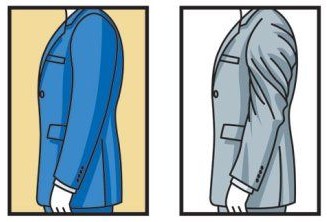
A sleeve should fall smoothly along the arm rather than bunch up.

10. Back to the shoulders
It really is essential that a suit fits at the shoulders.

11. Sleeves and alterations
Sleeves should hang straight, without folds or bunching.
A skilled tailor can adjust sleeve length, but the sleeves must fit correctly at the shoulders. Shortening by more than 4 cm may affect the position of a button.
The most important rule
Above all, a suit must fit well. In many cases, it is better to choose a made-to-measure suit than one off the rack. Choose a fabric that works with the clothes you already own, making them easier to combine. If you need help choosing fabric or creating more coordinated outfits from fewer pieces, our SMART Wardrobe service may appeal to you.

Cavalier