
Common Suit-Buying Mistakes and How to Avoid Them
What you will learn
Choosing a suit involves more than finding a size on a label. Fit, colour, fabric and accessories all affect how comfortable and appropriate the result feels. This guide covers common problems with ready-to-wear suits, how made-to-measure fitting can address individual proportions, and how to choose a versatile style without relying on short-lived trends.

Whether you buy a suit off the rack or have one made to measure, it is worth thinking about when and how you will wear it. A good choice should suit both your body and the occasions in your life.
One common mistake is accepting a poor fit. Sleeves may be too long, the jacket may pull at the button or the shoulders may feel too narrow. Made-to-measure fitting takes your proportions and posture into account, giving you another option when standard sizes do not fit well.

Colour matters too. Black often feels more formal than a typical office setting calls for; pale blue may be too casual for some occasions. Navy and grey are versatile starting points, but the right shade depends on your wardrobe, complexion and where you plan to wear the suit.

Fabric also changes the look and feel of a suit. Check the composition, drape and finish rather than judging by price alone. Natural fibres such as wool can offer a different balance of breathability and appearance from a fabric with a high synthetic content.
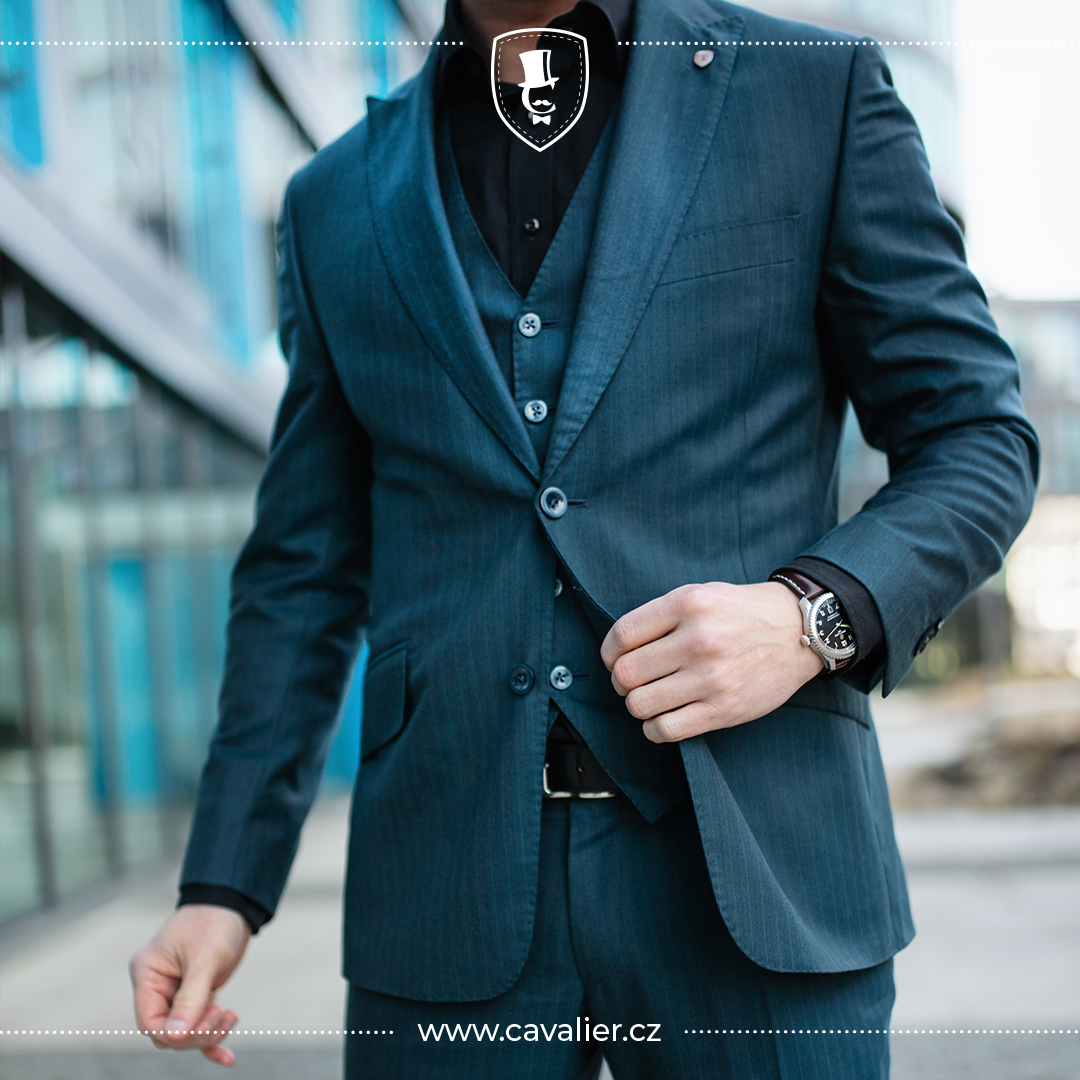
Beware of choosing a suit only for a current trend. Very narrow cuts or unusually short lengths may feel restrictive and date quickly. A classic fit that gives you room to move can serve you across more occasions.

Accessories complete the outfit. A shirt and shoes that suit the occasion can make as much difference to the overall impression as the suit itself. Styling choices are part of a made-to-measure consultation.

A suit that fits well and works with the rest of your wardrobe is more useful than one chosen only for its initial appearance or price.
Frequently asked questions
How can I tell whether a ready-to-wear suit fits poorly?
Watch for fabric pulling or wrinkling across the back and shoulders, sleeves or trousers that are too long or short, and tension at the jacket button. The suit should allow comfortable movement and follow your proportions.
Which colour is most versatile for a first suit?
Navy or medium-to-dark grey usually works across office and many social settings. Black is often reserved for more formal or evening occasions.
Why consider alternatives to a suit with a high synthetic content?
Fabric composition affects breathability, drape and feel. A wool suit can be a good choice if you want a natural fibre; compare the actual fabrics rather than assuming every synthetic blend performs the same way.
What is the difference between a fashion trend and a timeless cut?
Extreme trouser lengths or very tight fits may go out of fashion quickly and can restrict movement. A classic cut aims to follow your body comfortably and remain wearable over time.
Article author: Petr Soler
Founder of Cavalier