
Blazer vs Suit: When to Wear Each
What this article covers
Many men treat every jacket as an interchangeable piece, which can lead to an awkward pairing of a suit jacket with everyday jeans. We explain the differences in construction, cloth and appearance between a complete suit and a separate blazer. We also consider occasions where a suit is appropriate and where a blazer may give you more flexibility. Finally, we look at the boundary between business casual and smart casual, with practical ideas for wearing a blazer with chinos, a roll-neck or trainers and building a wardrobe that uses both garments well.
At first glance, a jacket may seem like a jacket. In practice, its intended use makes a difference.
A suit jacket is often worn with jeans or unrelated trousers, but that pairing does not always look balanced. A blazer and a suit jacket have different roles, construction and appearance. Knowing when to choose each helps you put together an outfit that feels considered.
What is a suit, and when does it make sense?
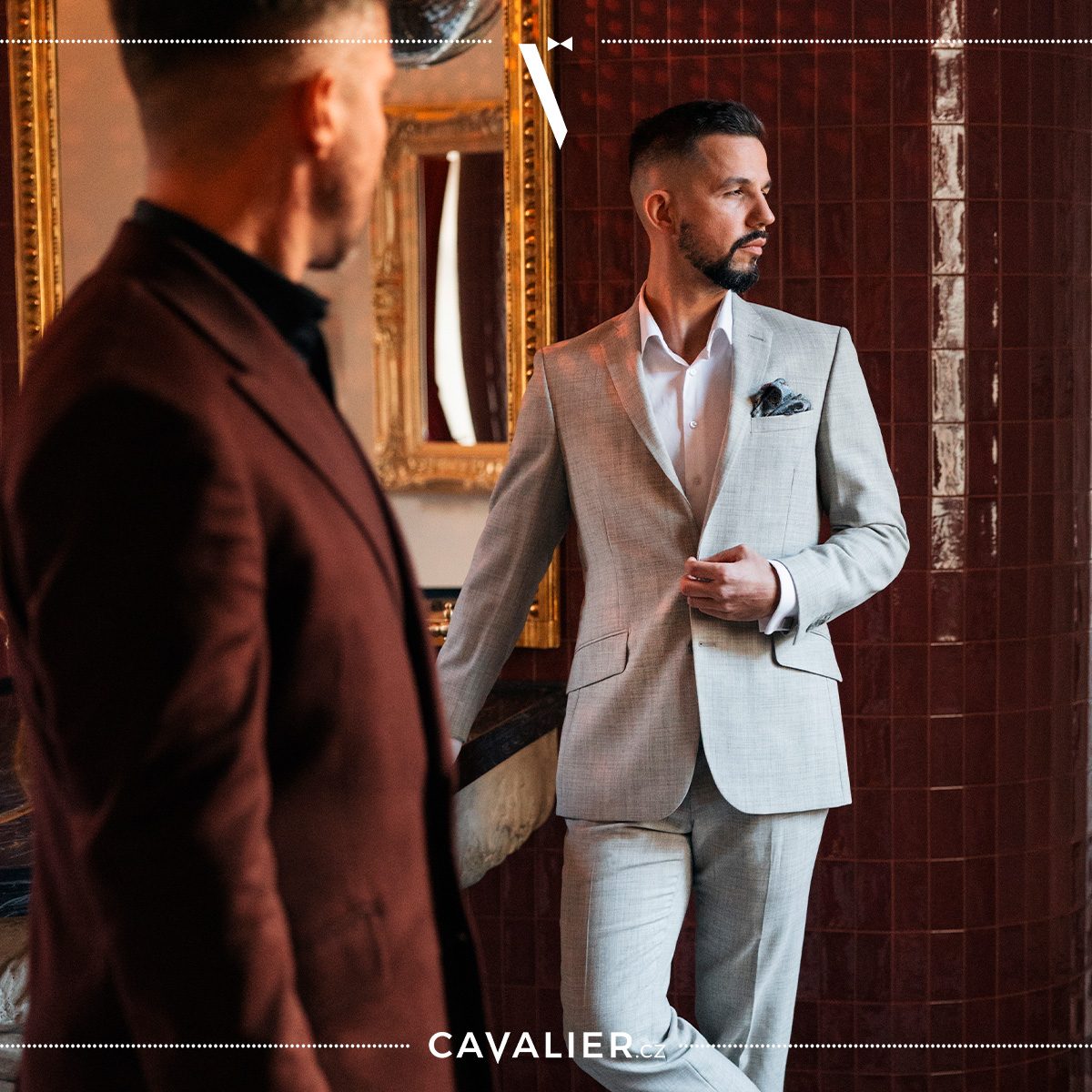
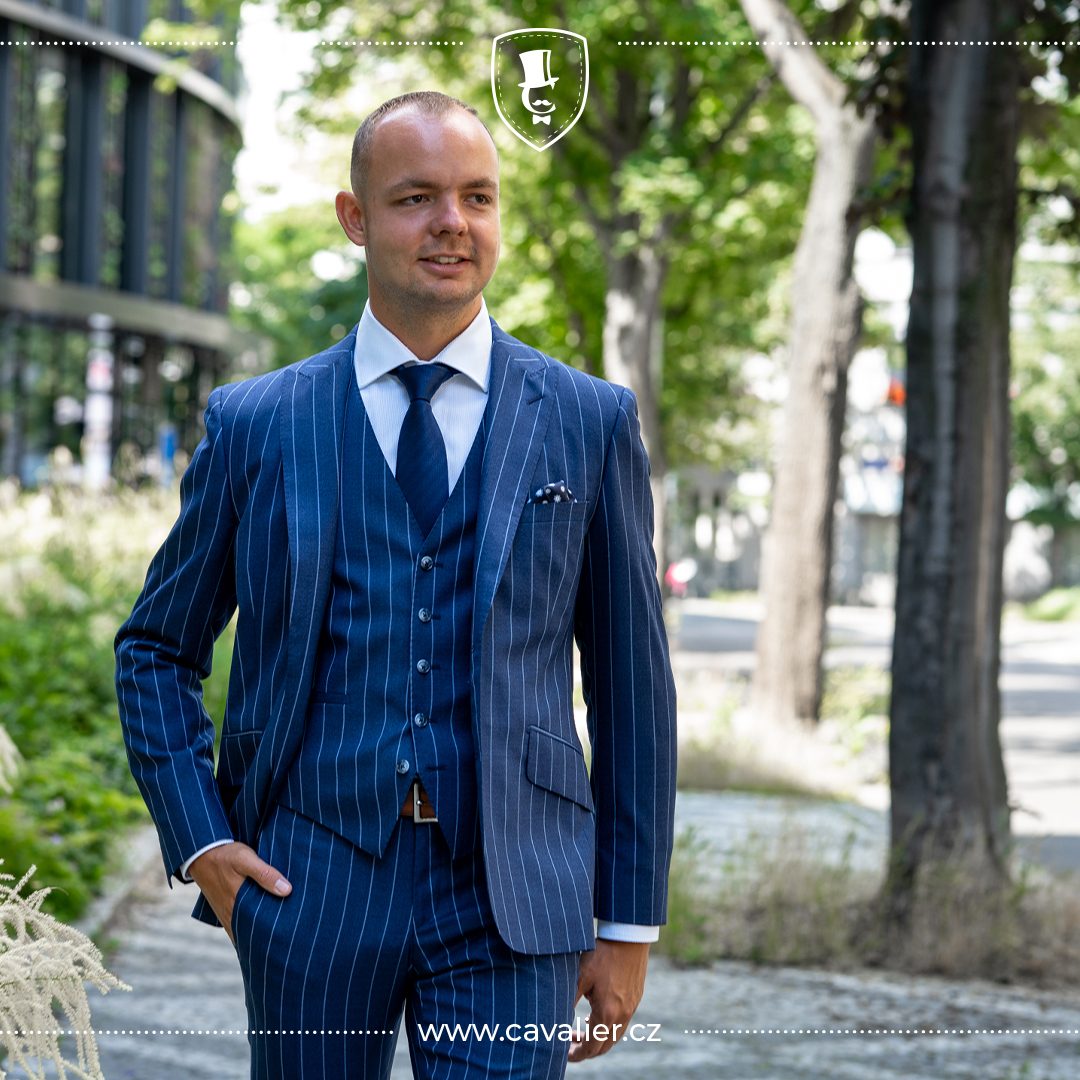
A suit is a matching set: its jacket and trousers are made from the same cloth. That consistency creates a formal, coordinated look. A suit may suit workplaces with a stricter dress code, business meetings, presentations and social occasions.
A suit can simplify getting dressed because its main pieces are already coordinated. Fit still matters: the jacket and trousers should work with your proportions and how you move. Made-to-measure lets you choose the cut and details with those needs in mind.
What is a blazer, and why is it versatile?
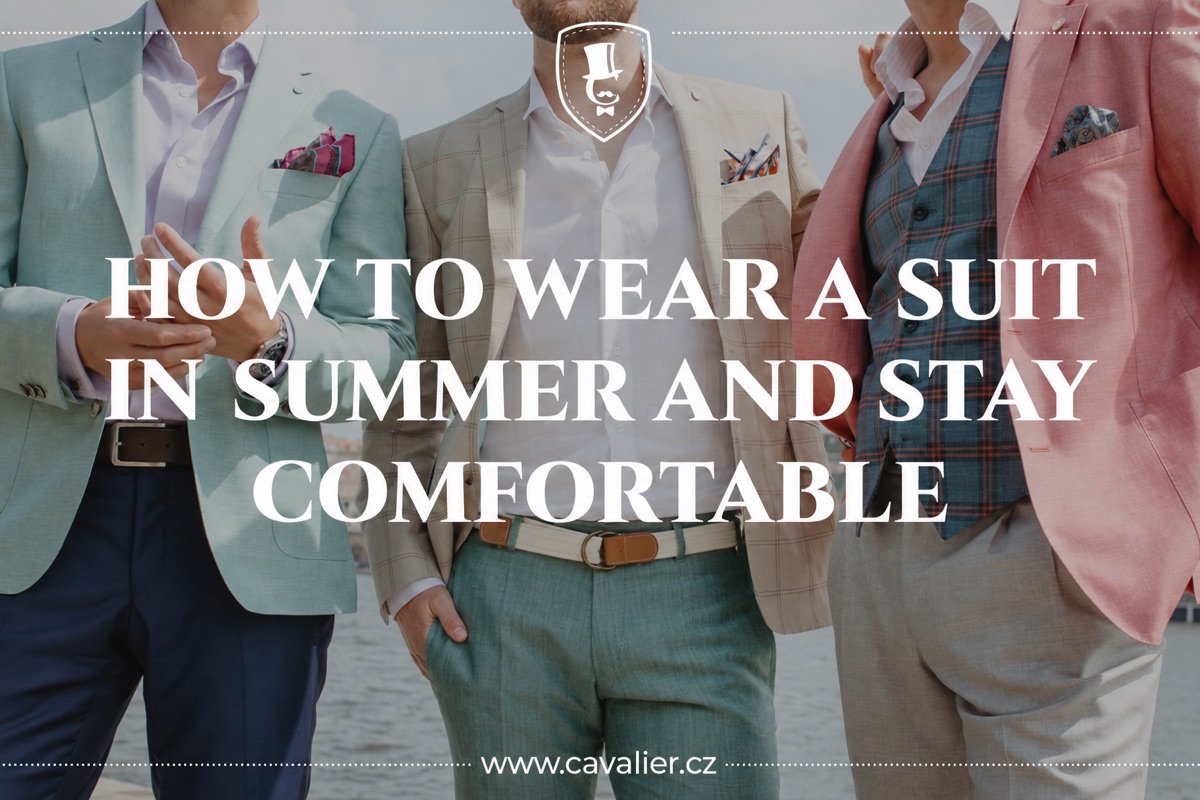
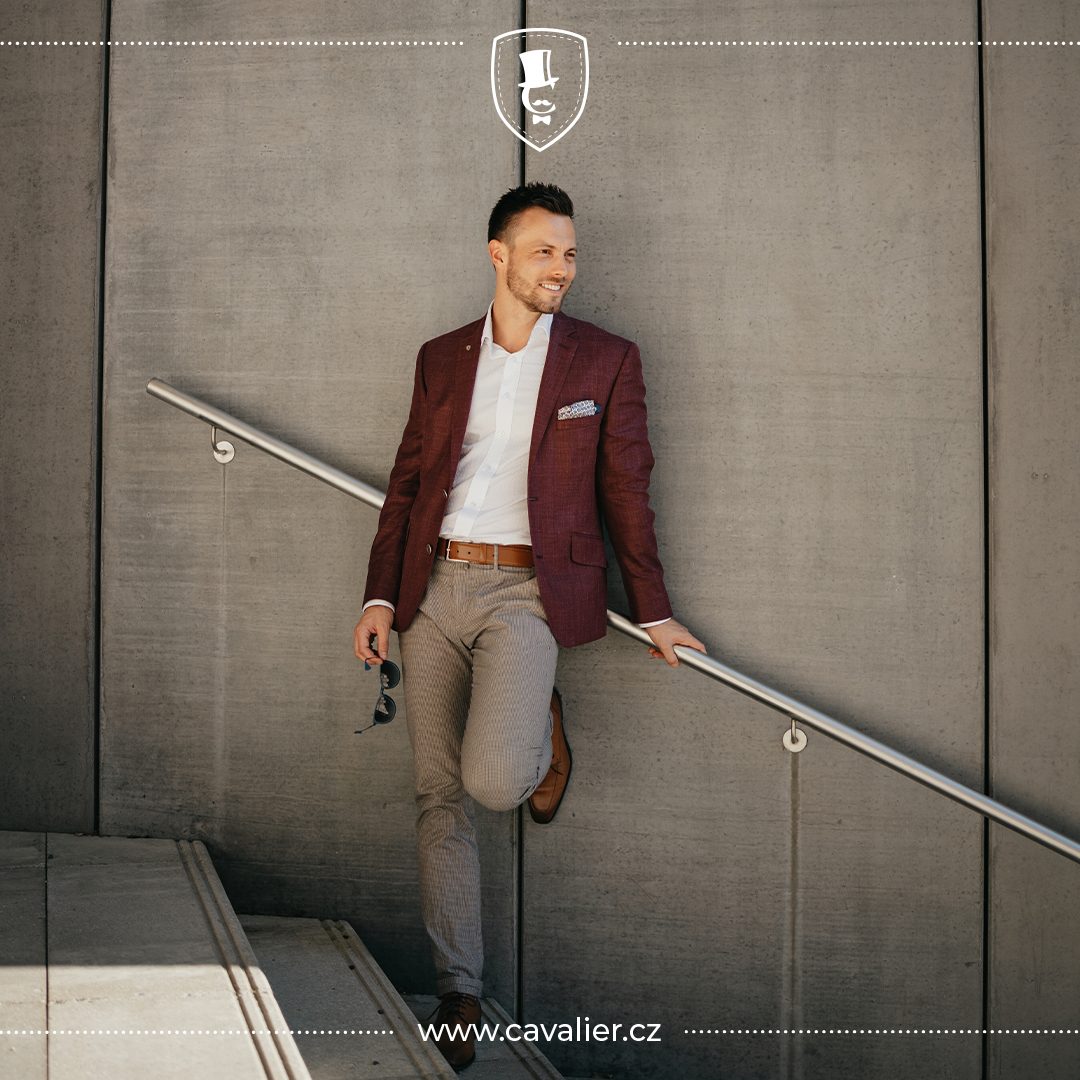
A blazer is a separate jacket rather than part of a matching suit. You can wear it with different trousers, shirts and shoes, at work, for a less formal meeting or in the evening.
A blazer can have a textured cloth and a character of its own. It can therefore work as the centre of a smart-casual outfit rather than relying on matching suit trousers.
A distinction worth understanding
A suit jacket and a blazer are designed for different uses.
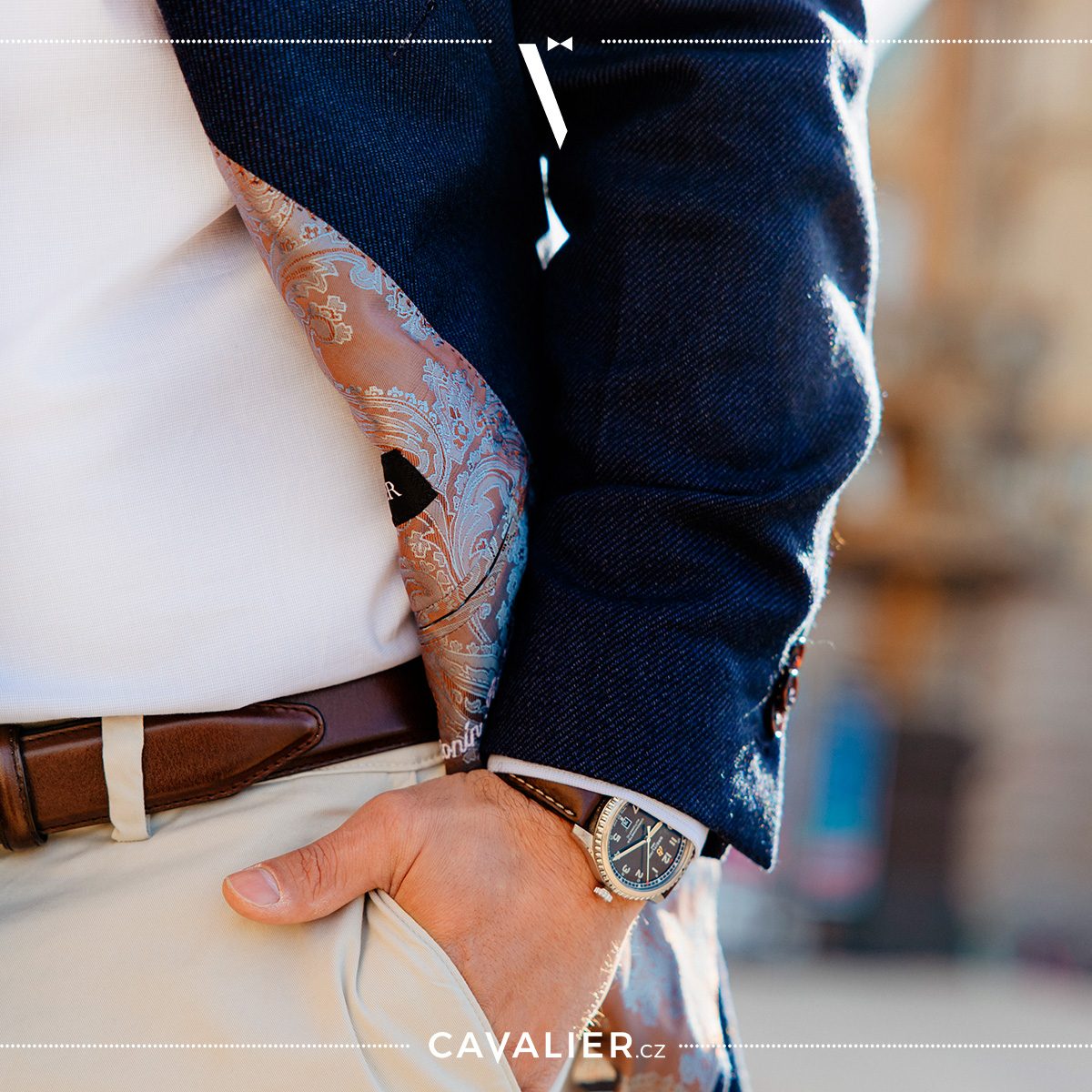
A suit jacket is made to work with matching trousers. Worn with casual jeans, it can sometimes make the outfit feel too formal on top and too relaxed below. A separate blazer may be easier to combine with informal pieces because its cloth and details were chosen for that role.
When to choose a suit
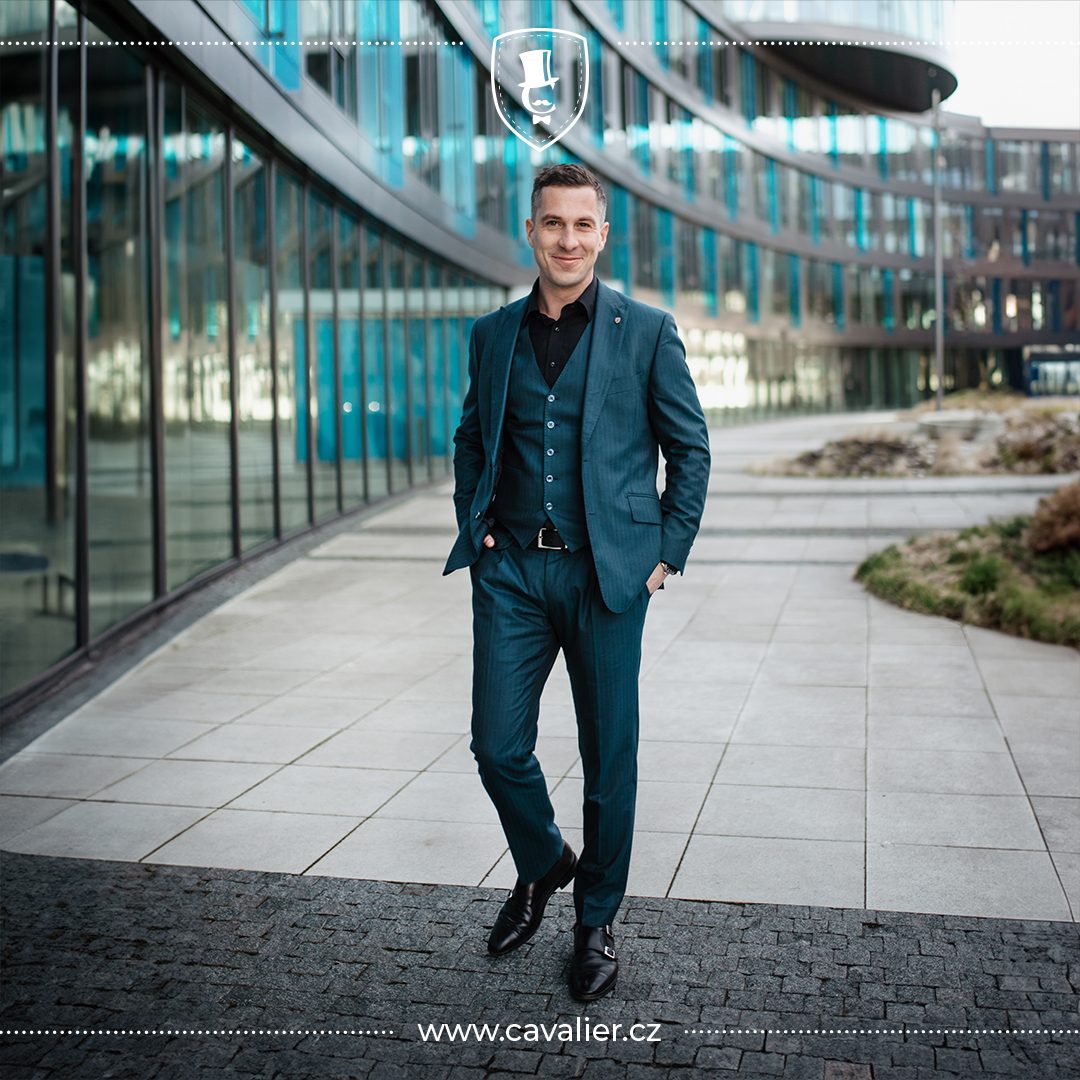
A suit has a place when the occasion calls for a coordinated, more formal outfit.
Consider one when:
- you want a polished, professional appearance
- you have an important meeting or negotiation
- you represent yourself or your company
- the occasion calls for a more formal dress code
A well-fitting suit can help you feel composed in these settings. Made-to-measure lets you choose a cut around your body and the way you intend to wear the suit.
When to choose a blazer
Choose a blazer when you want to look put together without wearing a full suit.
It can work:
- in workplaces without a strict dress code
- at business meetings with a more relaxed tone
- for dinner or a social event
- as part of an everyday outfit
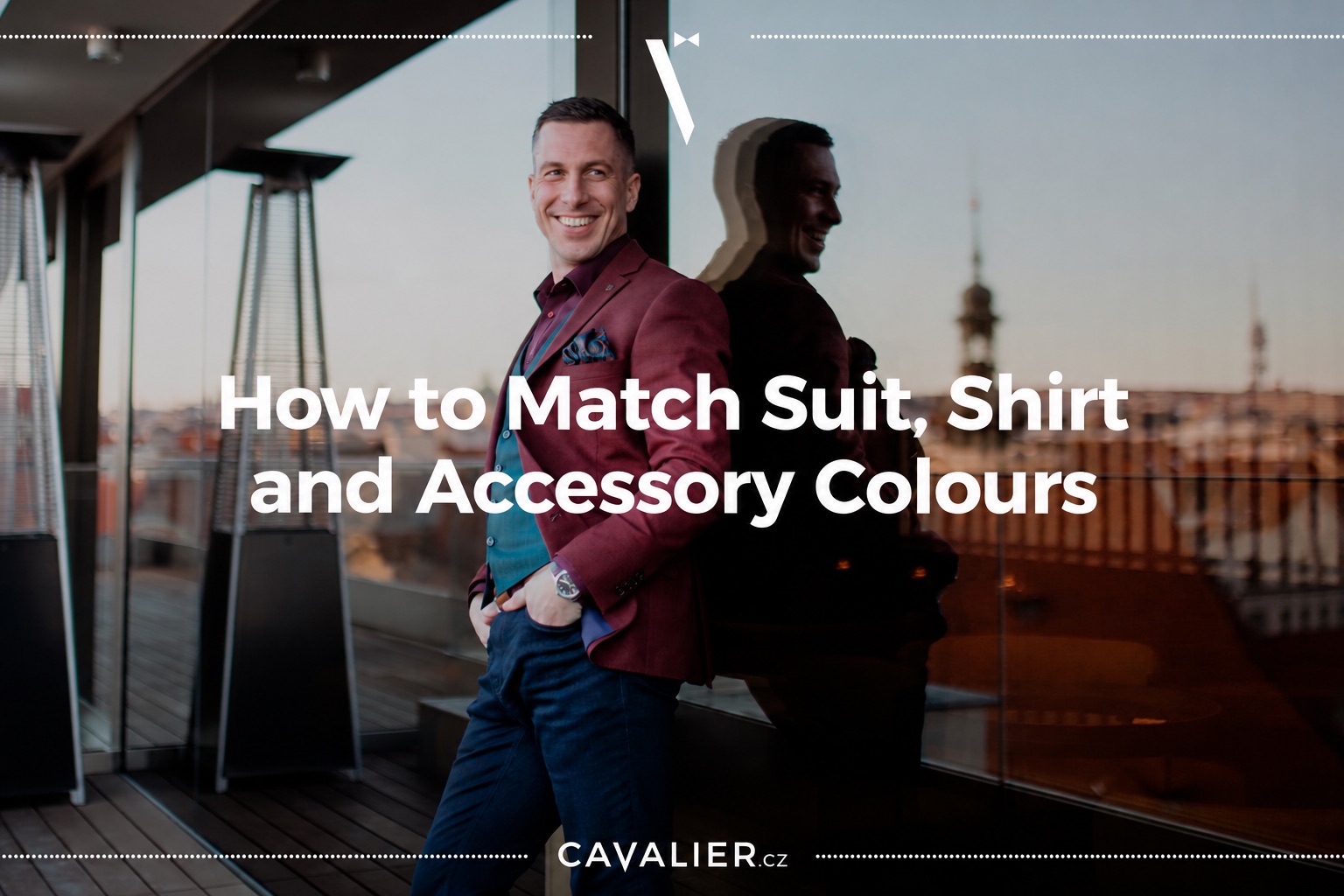
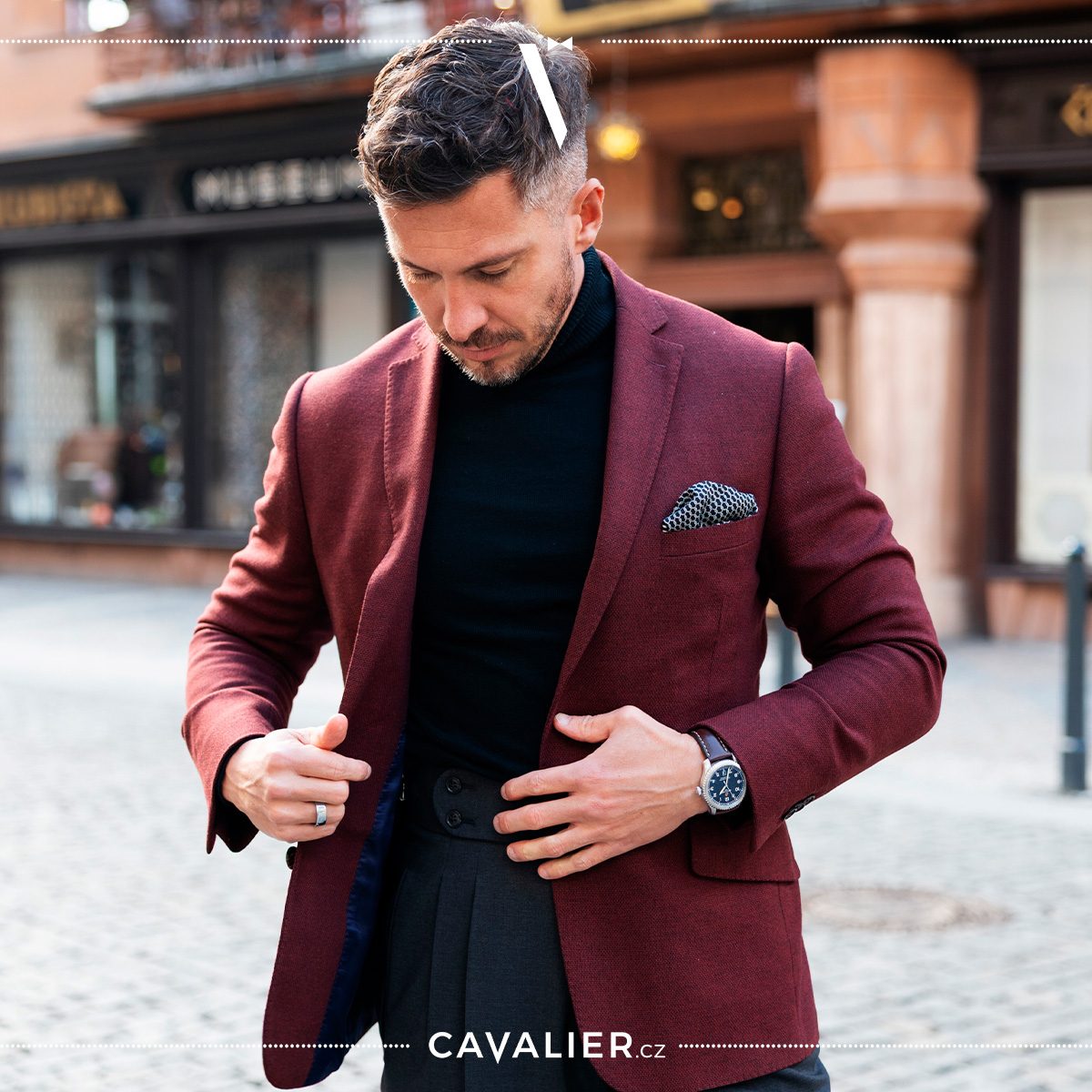
A blazer can be paired with chinos, dark jeans, a shirt, a T-shirt or a roll-neck. This range of combinations makes it a useful wardrobe piece.

How to wear a blazer
Look at the whole outfit. Simple, well-fitting trousers provide a good starting point. Chinos are one option; clean, dark jeans without conspicuous details can work too.
A shirt makes the outfit smarter; a plain T-shirt relaxes it, while a roll-neck adds warmth and texture. Leather shoes make the combination more formal, and understated trainers make it more casual. Keep the overall balance in mind.
Where business casual fits
Business casual sits between more formal business dress and relaxed smart casual. It might combine suit trousers or chinos with a shirt and jacket; a tie is often optional. The aim is a professional look without the formality of a full suit.
Business casual usually places more emphasis on restraint than smart casual, which allows more room for personal expression. The right choice depends on the occasion and its dress code.
Fit and coordination matter in either style. Choose pieces that work together and retain their shape; a made-to-measure suit or individual garments can be part of that wardrobe.
Why fit matters
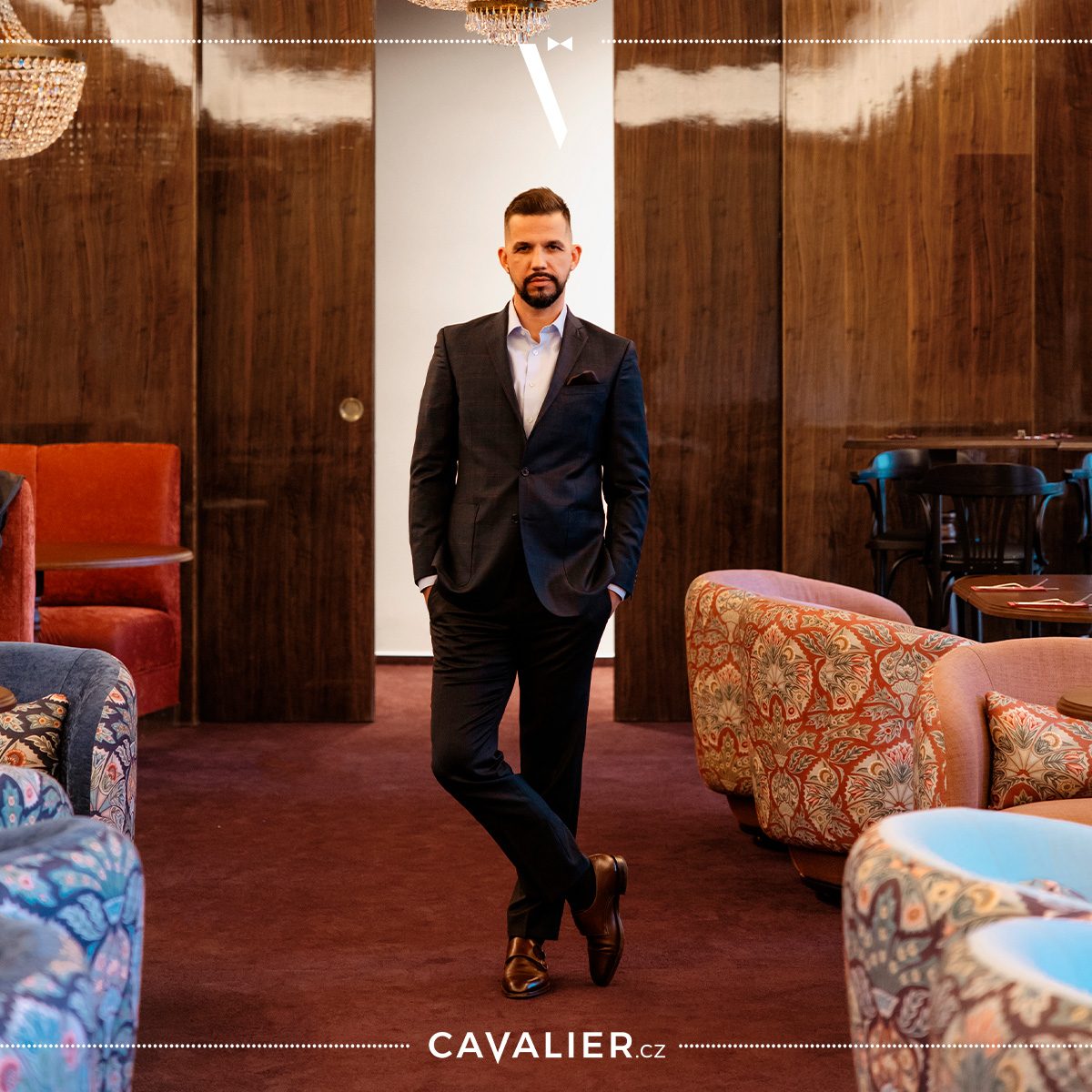
Whether you choose a blazer or a suit, check how it fits. A suit that pulls or hangs poorly will not serve its purpose, and a blazer with ill-fitting shoulders or the wrong length can look out of place. Made-to-measure gives you options to adjust the cut and details to your build and style.

Building a useful wardrobe
A blazer and a suit can complement one another. A suit covers more formal occasions and gives you a coordinated outfit.
A blazer offers flexibility for less formal days. Together they give you more ways to dress for different settings.

In summary
A suit is a matching set, while a blazer is a separate jacket. Both can have a place in your wardrobe. When combining a suit jacket with casual pieces, pay particular attention to the difference in formality and cloth.
The most useful starting point is a garment that fits and suits the occasions you dress for. A made-to-measure suit or blazer lets you choose the cut and details around those needs.
Frequently asked questions
What is the main difference between a blazer and a suit jacket?
A suit jacket is part of a matching set made from the same cloth as its trousers. It is usually designed with that coordinated look in mind. A blazer is a separate jacket intended to work with different trousers. Its cloth, structure or buttons may differ from those of a suit jacket.
Why can a suit jacket look out of place with jeans?
A suit jacket is designed for matching trousers. Casual jeans may create an imbalance in formality, although the exact result depends on the cloth and styling.
How do business casual and smart casual differ?
-
Business casual: Usually more restrained and formal: think chinos or tailored trousers, a shirt, a jacket and leather shoes. A tie is often optional; trainers depend on the workplace and occasion.
-
Smart casual: Allows more relaxed combinations, such as a plain T-shirt or roll-neck, dark jeans and clean, understated trainers, where the dress code permits.
Can I order just a made-to-measure blazer?
Yes. Made-to-measure is available for a separate blazer as well as a complete suit. The consultation helps determine the cut, sleeves and cloth for the way you plan to wear it.
Article by Petr Soler
Founder of Cavalier