
Matching the Colours of Your Suit, Shirt and Accessories
What will you learn in this article?
Coordinating colours is an important part of a well-balanced outfit. This guide explains how to start with a suit, balance it with a white or light blue shirt and add accessories without overwhelming the look. We look at reliable combinations, explain why a tie and pocket square need not match exactly, and consider smart casual styling and footwear. You will also see how your colouring can influence your choices and why it helps to think of your wardrobe as a connected whole.

Why colour combinations sometimes miss the mark
Colour is one of the first things people notice about an outfit, yet it is often considered last. The pieces may each work on their own without looking quite right together.
You may have worn a suit that looked good by itself, but felt that the outfit did not come together. The colours may be the reason. A few simple principles make combinations easier to choose with confidence.
A simple colour principle for the whole outfit
Give your outfit a clear structure: one colour forms the base, another complements it, and a third adds a detail.

Too many strong colours at once can make an outfit feel busy. A simpler palette with related shades usually feels more considered. In practice, the suit provides the base, the shirt balances it and the accessories complete the look.
How to choose a suit colour
A suit sets the tone of an outfit. Navy is a versatile starting point that works for many occasions and combines easily with other colours.

Grey is another useful base. It is understated and works well for everyday wear. Darker shades tend to feel more formal, while lighter ones are more relaxed, so choose the tone for the occasion. With a made-to-measure suit, you can also consider which shade works with your complexion, hair and personal style as well as the cut.
If you are starting out, read our guide to choosing your first suit to help avoid common mistakes.
The shirt as a balancing element
A shirt balances the suit and can add contrast. White is a versatile, clean-looking starting point that works with many suit colours.
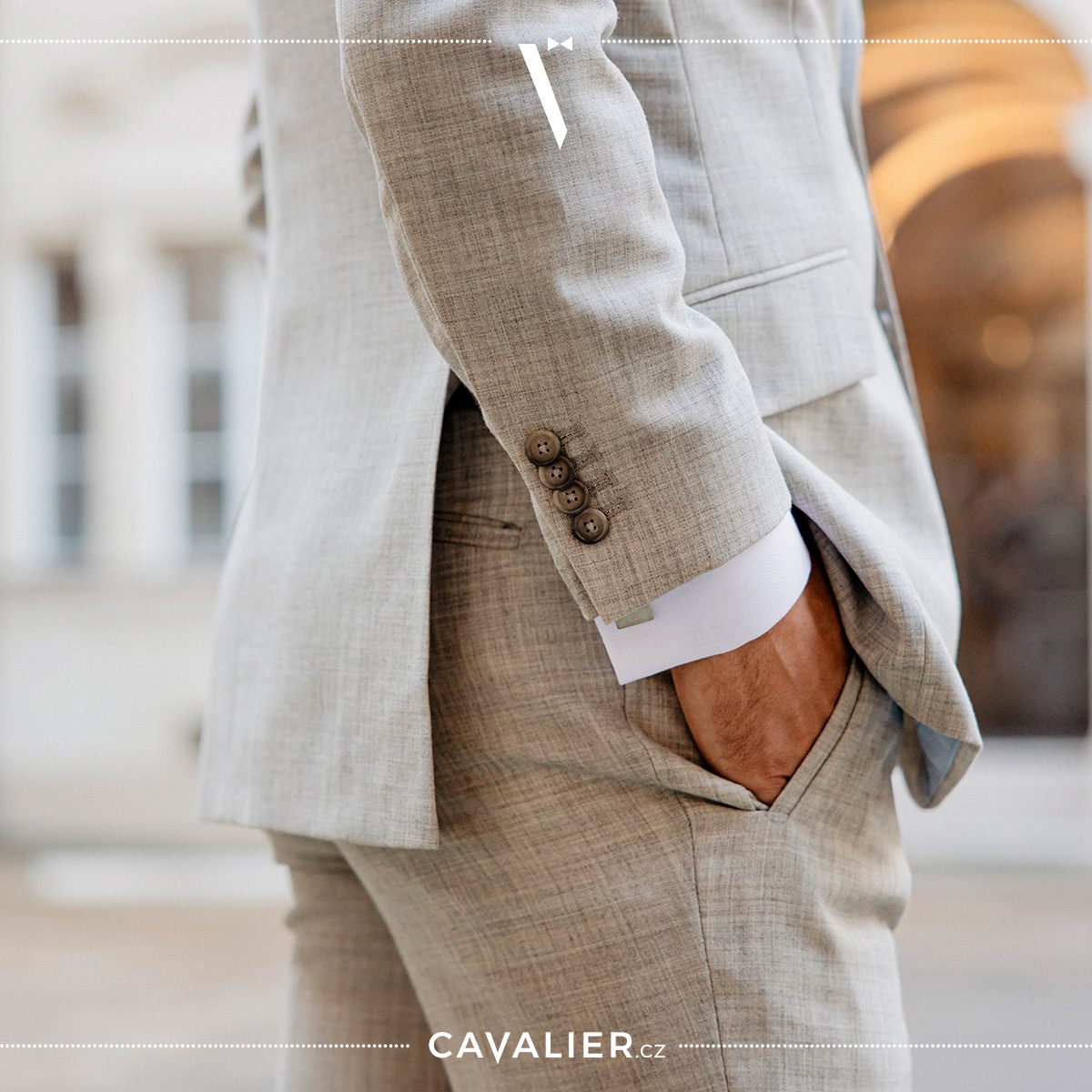
Light blue is another flexible option, often a little less formal. Other colours and subtle patterns can work too. Aim for a shirt that complements the outfit rather than competing with it.
How to use accessories
A tie, pocket square, belt and shoes can bring an outfit together. They should relate to the rest of the look rather than compete with it.
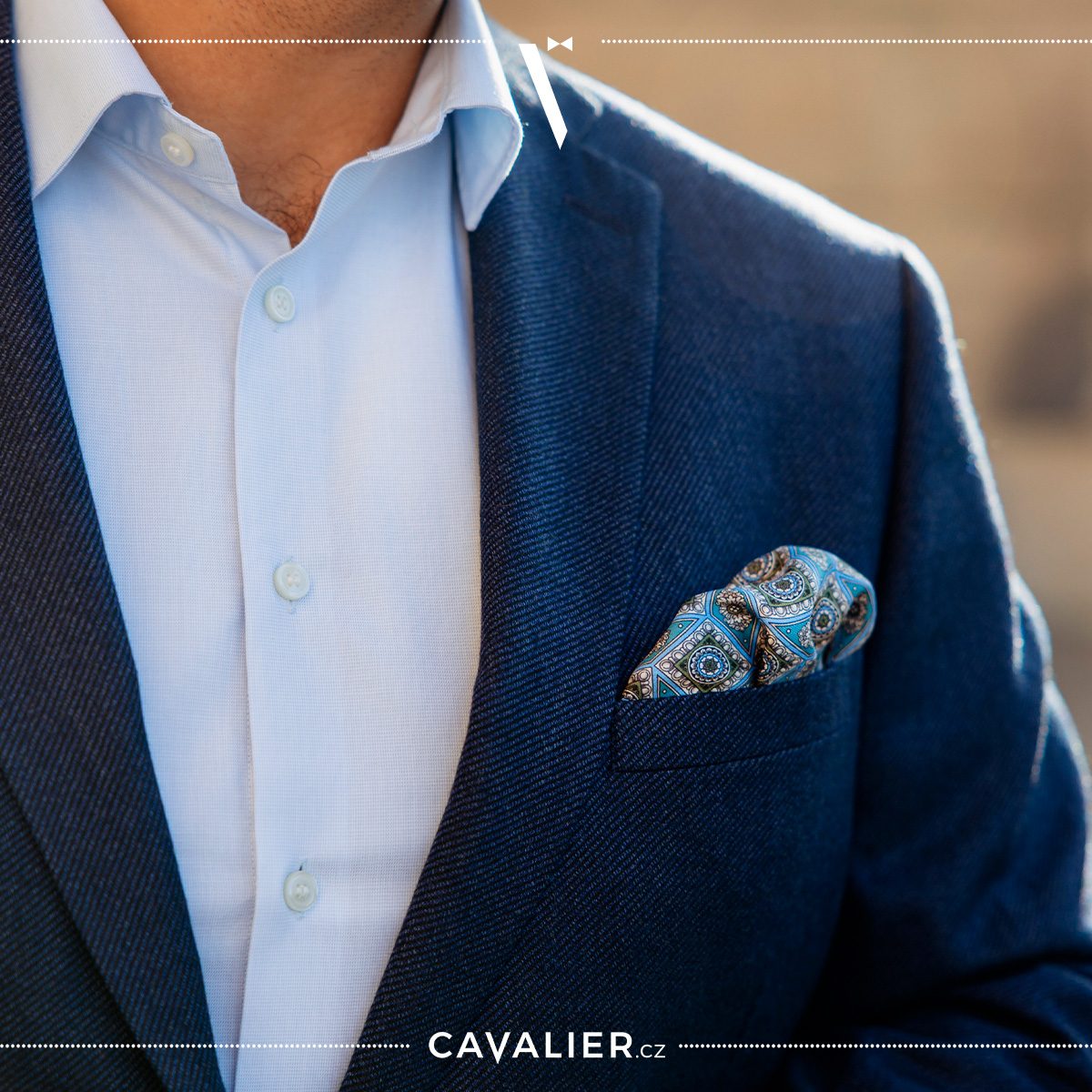
Coordinate the colour of your shoes and belt. A tie can add colour or contrast without becoming the only focal point. Your pocket square should relate to the outfit, but need not repeat the tie exactly; a complementary shade or subtle contrast often works better.
Familiar colour combinations
If you are unsure where to start, keep it simple. A navy suit with a white shirt and brown shoes is a classic combination for many occasions, depending on the dress code.

A grey suit with a light blue shirt feels understated and professional. For a more relaxed look, try lighter trousers with a blazer in another shade. Consider the fabric and texture of each piece as well as its colour.
Combining colours for smart casual
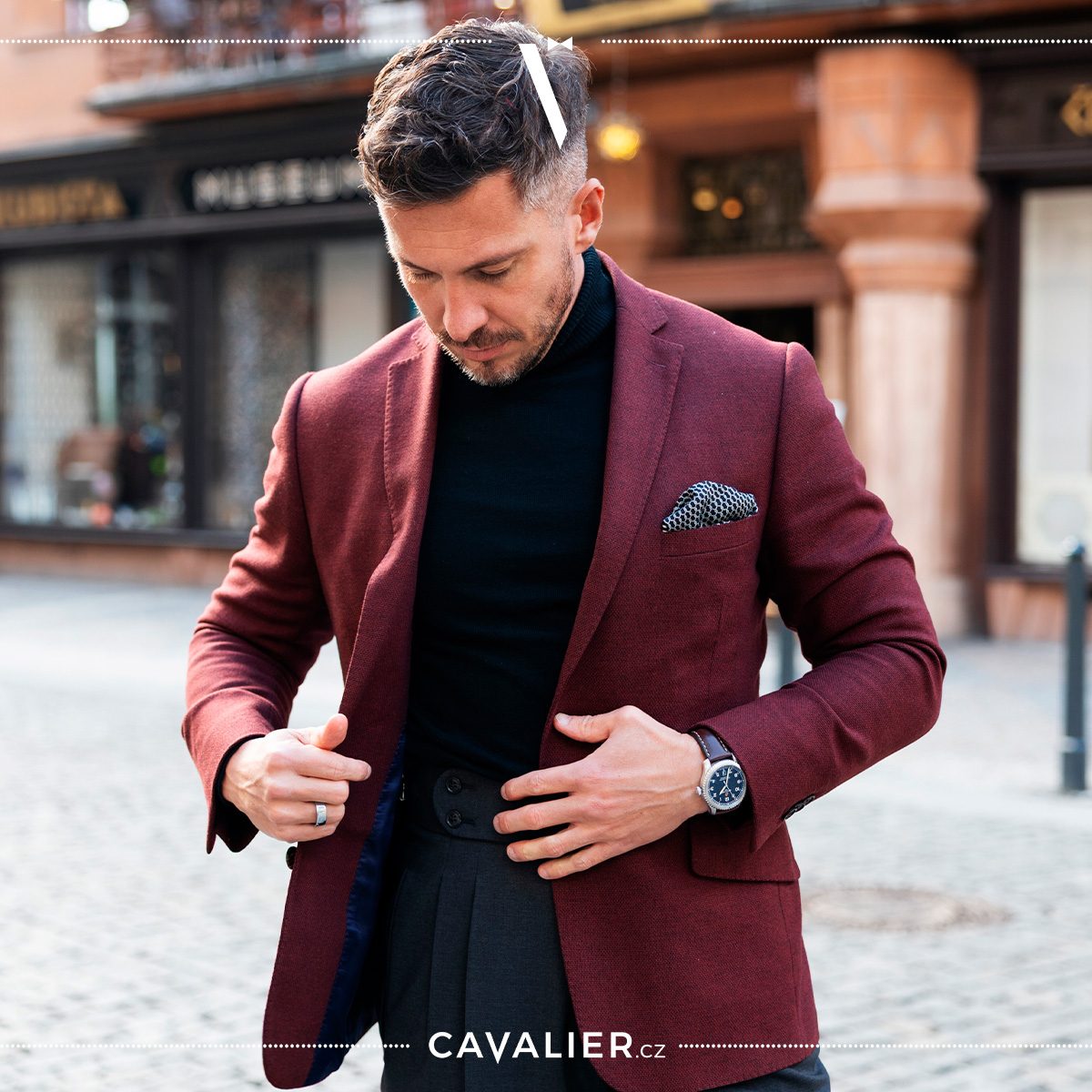
Smart casual gives you more freedom, but a coherent palette still helps. A matte, textured blazer can work with neutral trousers. You might wear a plain T-shirt or roll-neck instead of a shirt, keeping the colours simple. Minimalist trainers can fit the look when their colour works with the rest of the outfit.

What to watch for
Too many strong colours can pull an outfit in different directions. Shades of brown or blue also need to work together. Mixing glossy and matte textures without a plan can feel distracting. Above all, colour cannot make up for clothes that do not fit.
Why the whole outfit matters
It is easy to choose garments one at a time without considering how they work together. A useful wardrobe is more than one good jacket or shirt: its pieces should combine well. A made-to-measure suit can provide a base for other outfits over time.

Key points
Colour coordination need not be complicated. Keep the palette simple and look for harmony between the pieces. Let the suit provide the base, the shirt balance it and the accessories finish the outfit.
Fit and quality matter alongside colour. Clothes that sit well make combinations easier to wear; a made-to-measure suit can be one starting point for a coordinated wardrobe.
Frequently asked questions
Which suit colours are the most versatile wardrobe basics?
A useful starting point is navy blue and medium or dark grey. Both are versatile and work with many shirts and accessories for business meetings, weddings and evening events, depending on the dress code.
Does a pocket square have to match the tie exactly?
No. Buying a tie and pocket square in exactly the same fabric can look overly coordinated. Instead, let the pocket square complement or subtly contrast with the tie and suit. A plain white linen or cotton pocket square is a simple, versatile choice.
Which shoes go with navy and grey suits?
-
Navy suit: Brown shoes, from cognac to dark brown, can work well; black dress shoes are an option for more formal occasions.
-
Grey suit: Cognac or brown shoes work with lighter grey, while dark brown or black leather shoes suit charcoal grey.
How should I match a suit colour to my complexion and hair?
During a made-to-measure consultation, your style adviser can help choose a suitable undertone. Softer shades such as mid-blue, grey and sand can complement lighter complexions and hair, while deeper shades such as navy, charcoal and burgundy may work with darker colouring. The best choice depends on the individual.
Article author: Petr Soler
Founder of Cavalier