

Common Clothing Care Mistakes
What this article covers
Incorrect care can shorten the useful life of even good clothing. We look at common mistakes in cleaning, storing and pressing garments, and caring for leather shoes. Always follow the particular garment’s label and the footwear maker’s instructions.
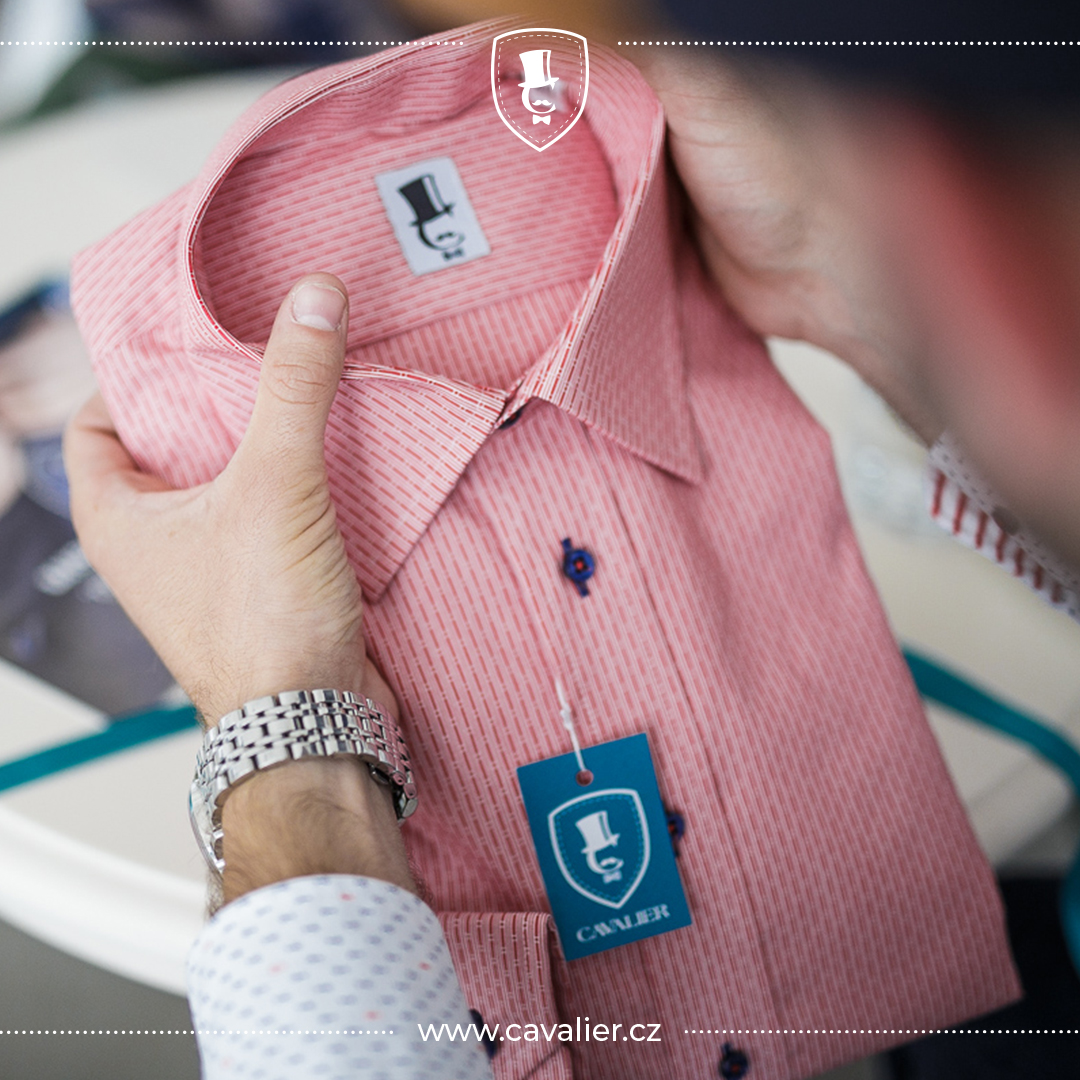
Suits, coats and shoes all need care between wears. The same method does not suit every material: a woven jacket, a knitted jumper and leather shoes are stored differently. Check the maker’s instructions first.
1. Cleaning without checking the label or condition
Frequent cleaning does not automatically mean better care. Airing and gentle brushing may be enough for woven wool after ordinary wear. Do not leave stains untreated, however; the label determines the cleaning method.
Some garments can be washed, while others require professional cleaning. It is inaccurate to say that every professional cleaning harms the fabric. The greater risk is a method unsuited to the material or construction.

2. The wrong hanger for a woven jacket
Hang a woven wool jacket on a shaped or padded hanger that supports the shoulders. A narrow wire hanger offers less support and may put unnecessary strain on the garment.
Knitted jumpers need different storage: fold them so that hanging does not stretch them. Choose the method to fit the construction.
3. An overcrowded wardrobe
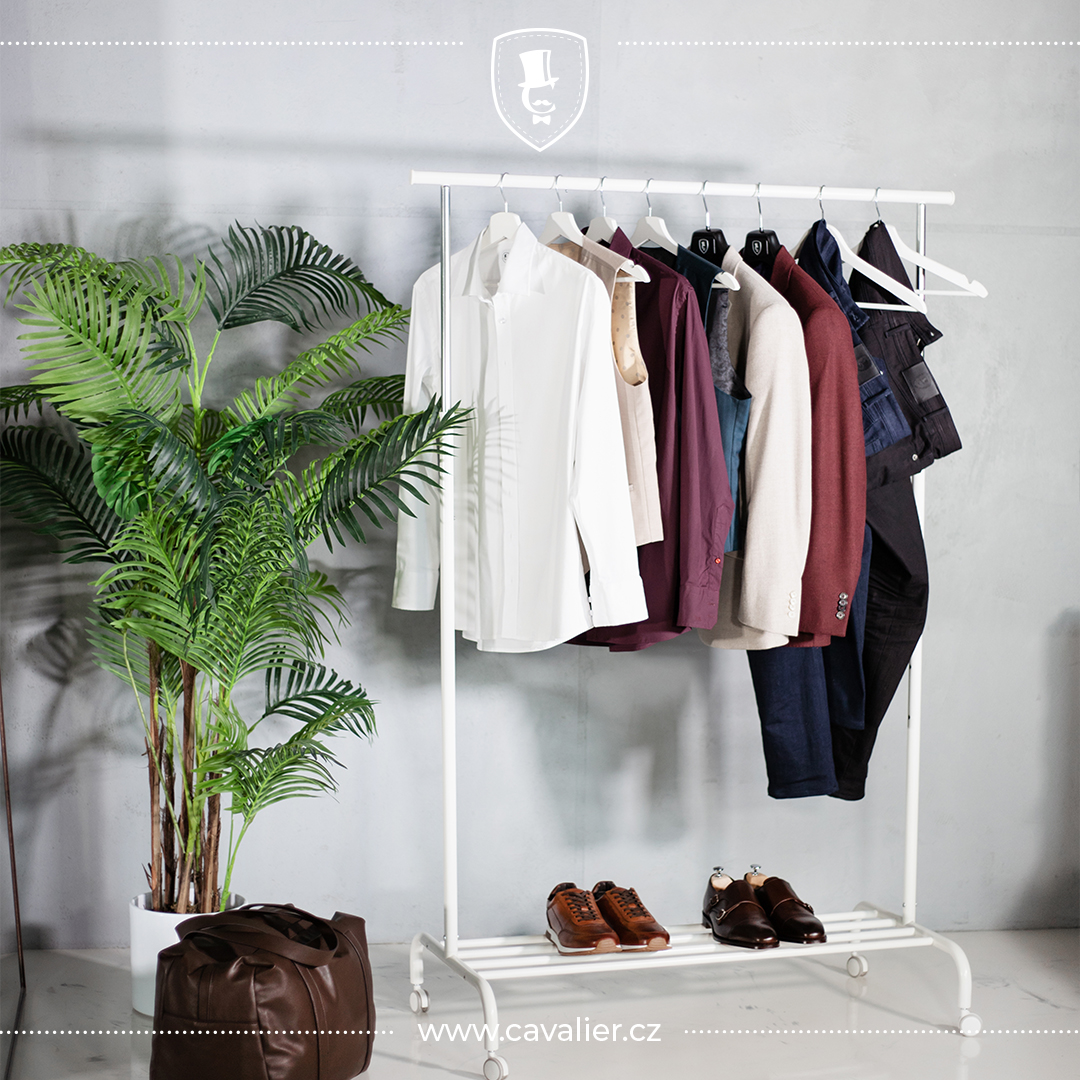
Clothes are more easily creased in a crowded wardrobe and harder to handle. Give jackets space on suitable hangers and store knitwear folded.
Before long-term storage, make sure clothes are clean and dry. Stains and body oils may attract pests.
4. Pressing every fabric the same way
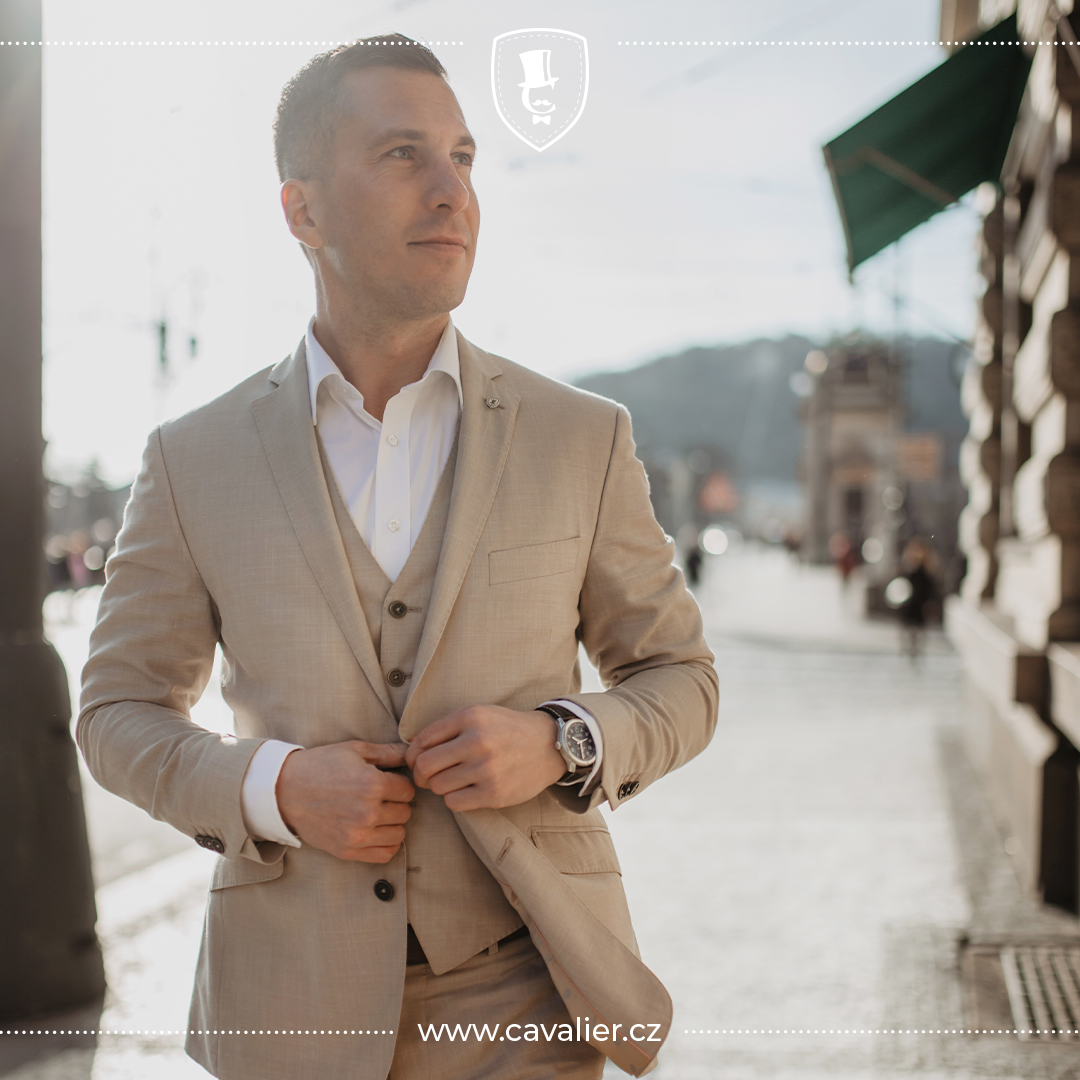
Excessive heat or unsuitable pressure can change the appearance of some fabrics. Read the label before pressing and set the iron for the material.
Steam may help with wool, but that does not make every steamer or method safe. Woolmark recommends steam and a suitable wool setting when pressing wool; the specific garment’s label still takes priority.
Read how the process works in our guide to the first consultation.
5. Wearing the same item without a break
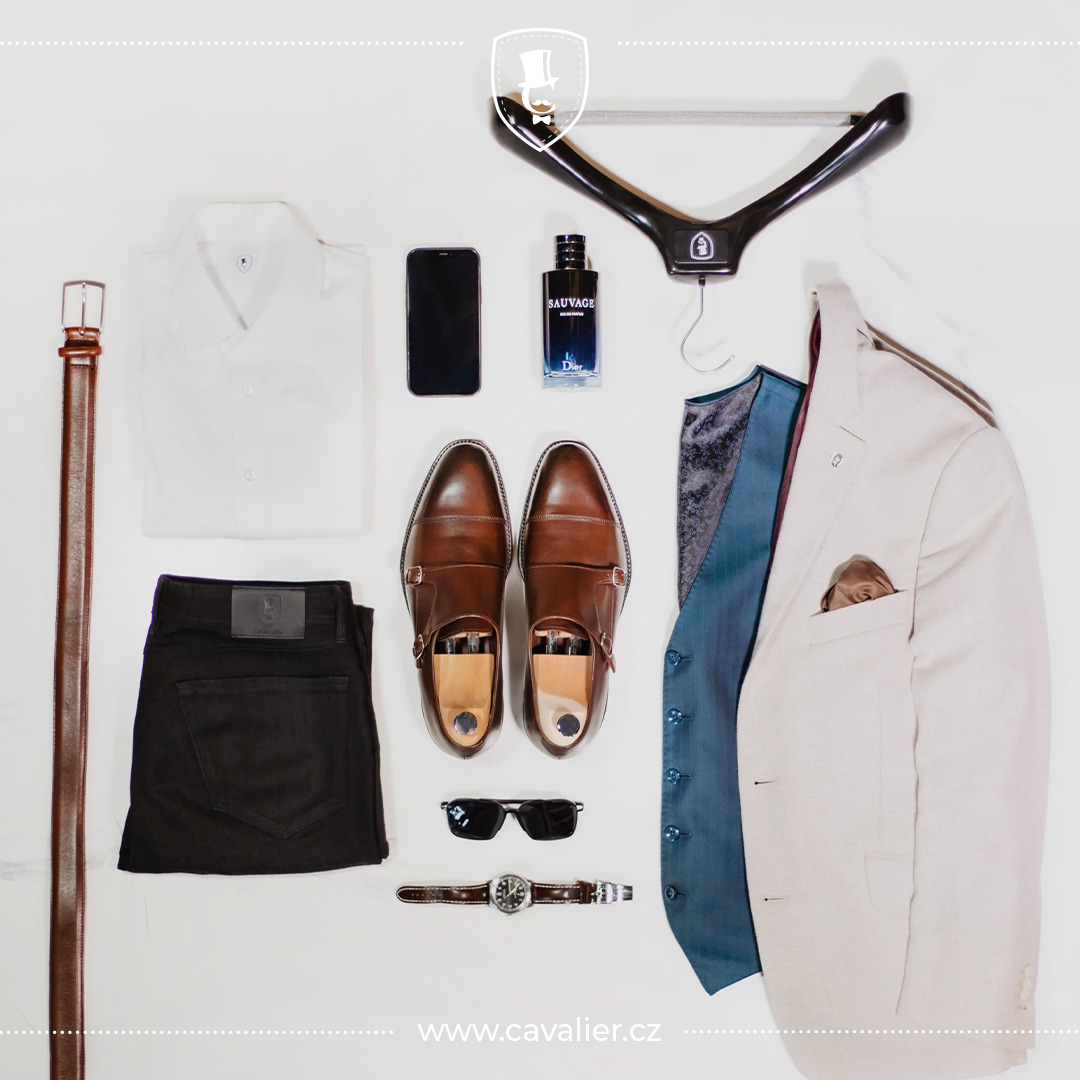
Woven wool garments can benefit from a rest between wears; Woolmark suggests roughly a day. Let leather shoes dry naturally between wears too, in line with their maker’s guidance.
6. Overloading pockets
Heavy objects in jacket pockets can alter the look and strain the seams. A bag may be a better place for a phone, keys and other items.
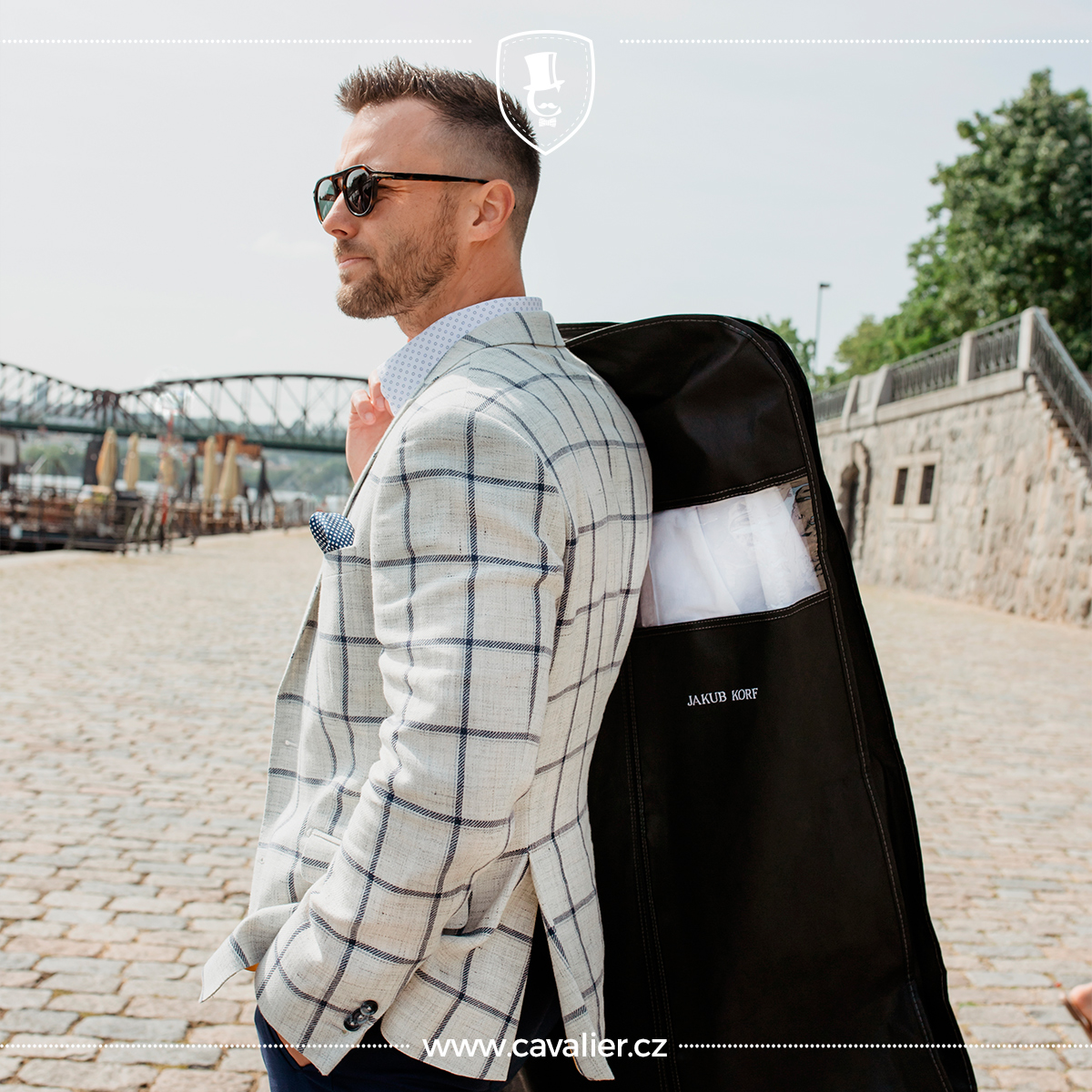
7. Storing clothes in unsuitable packaging
A thin plastic cover from a dry cleaner should not be treated as a universal long-term storage solution. Clothes should be clean and dry before storage; choose a method suited to the fabric and wardrobe conditions.
8. Ignoring small repairs
Repair a loose button or damaged seam promptly so the problem does not grow with further wear. Regular checks help catch small faults.
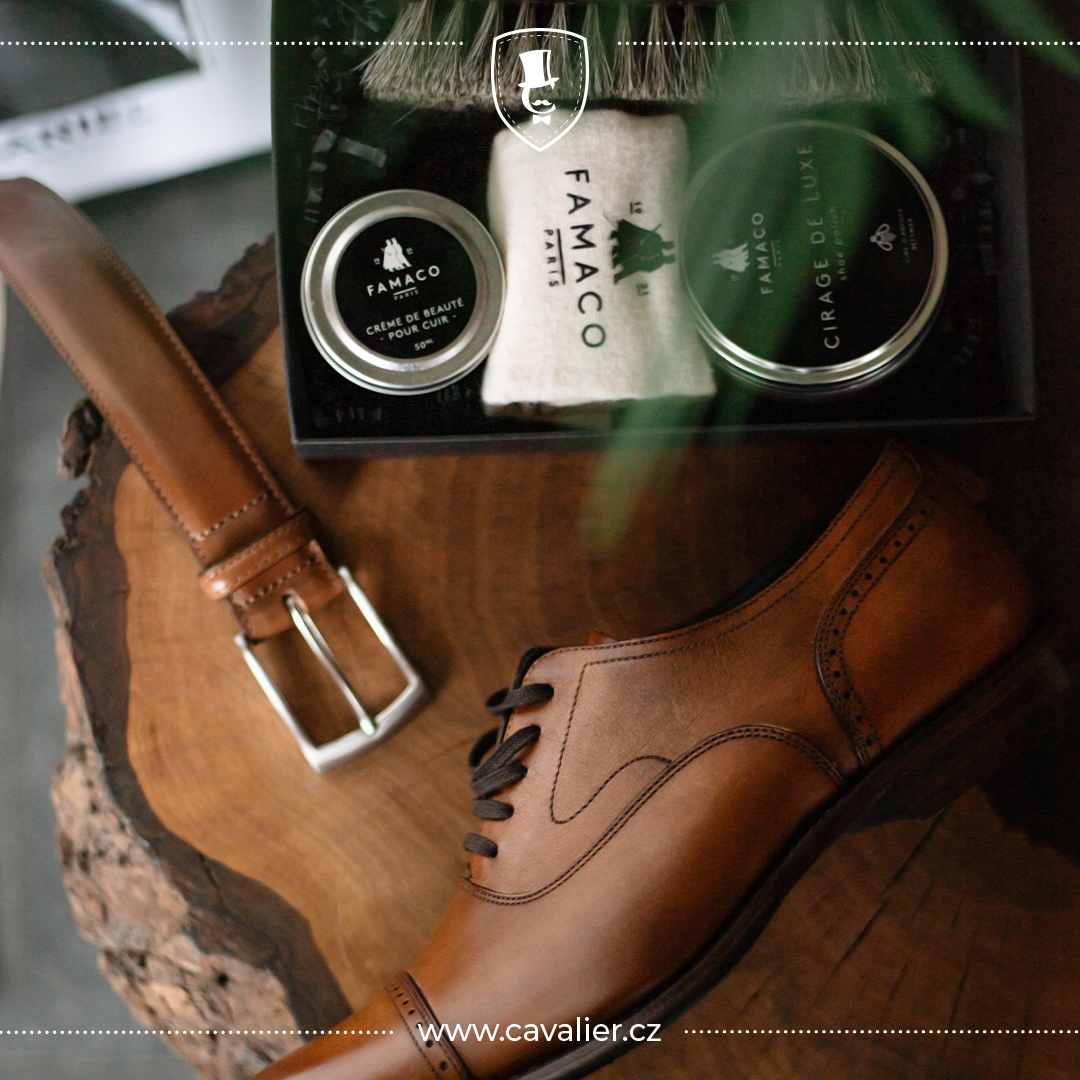
9. Neglecting leather shoes
Allow leather shoes to dry between wears, away from direct heat. Suitable shoe trees help retain their shape. Use care products designed for the type of leather; suede and nubuck need different treatment.
10. Assuming quality garments need no care
Good materials still need care. Follow the label, keep the garment clean and dry, and store it appropriately.
In conclusion
Poor storage, unsuitable pressing or an overlooked stain can shorten the time a garment looks its best. The practical basics are to know the material, read the label and deal with soiling and small repairs promptly.
Choose care to fit each garment’s construction and use. A woven jacket, knitted jumper and leather shoes do not share one universal care routine.
Frequently asked questions
What hanger suits a woven jacket?
A shaped or padded hanger supports the shoulders of a woven jacket. Knitted jumpers are generally better folded so they do not stretch.
How should I store a suit after dry cleaning?
First check that it is clean and dry. Choose a cover and environment suited to the fabric for long-term storage; a thin plastic transport cover may not be ideal.
What can heavy items in jacket pockets do?
They can strain the cloth and seams and affect how the pockets look. A bag is a practical place for a large phone, keys or wallet.
What are shoe trees for?
They help leather shoes retain their shape, and some wooden types absorb moisture. Follow the footwear maker’s care advice.
Should wool suits and leather shoes rest between wears?
Alternating woven wool garments and leather shoes can help. Woolmark recommends resting wool for roughly a day after wear; Loake recommends at least 24 hours for leather shoes. Consider the condition of the item too.
Article by Petr Soler
Founder of Cavalier